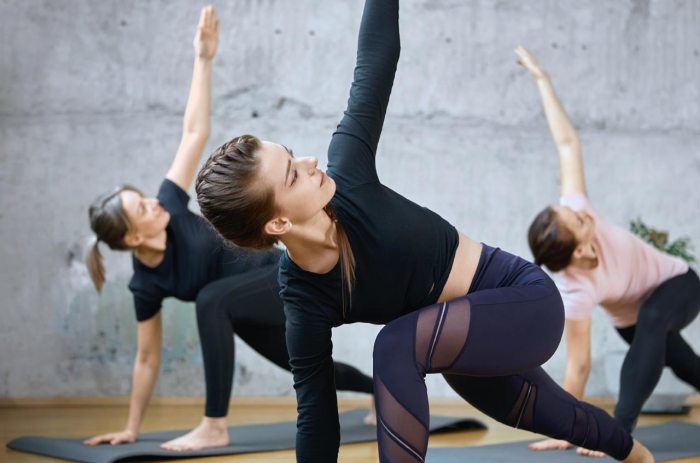
Importance of Good Posture
Maintaining good posture is crucial for overall health and well-being. It not only helps in preventing musculoskeletal problems but also plays a significant role in enhancing confidence and appearance.
Impact of Poor Posture on Health
Poor posture can lead to a myriad of health issues, including back and neck pain, headaches, muscle fatigue, and even digestive problems. Over time, it can affect the alignment of the spine and lead to more serious conditions like sciatica or kyphosis.
Benefits of Improving Posture through Physical Activities
Engaging in physical activities specifically targeted at improving posture can have numerous benefits. Strengthening the core muscles, stretching tight muscles, and correcting imbalances can all contribute to better posture. Additionally, these activities can help increase flexibility, reduce the risk of injury, and enhance overall physical performance.
Physical Activities for Improving Posture
Regular physical activities can play a significant role in improving posture by strengthening muscles and promoting flexibility. Here are some exercises and techniques that can help enhance your posture:
Exercises to Strengthen Muscles
- Planks: Engage your core muscles by holding a plank position for 30 seconds to 1 minute.
- Bridges: Lie on your back with knees bent, lift your hips off the ground to engage your glutes and core.
- Rows: Using resistance bands or weights, perform rowing motions to strengthen the upper back muscles.
- Lunges: Step forward into a lunge position to strengthen your leg muscles and improve balance.
Correct Posture Techniques for Everyday Activities
- Walking: Keep your head up, shoulders back, and engage your core while walking to maintain proper alignment.
- Sitting: Sit with your back straight, shoulders relaxed, and feet flat on the floor to support your spine.
- Standing: Distribute weight evenly on both feet, keep shoulders back, and avoid locking your knees while standing.
Role of Stretching Exercises in Improving Flexibility
- Neck stretches: Gently tilt your head from side to side to release tension in the neck and shoulders.
- Shoulder stretches: Bring one arm across your body and hold it with the other arm to stretch the shoulders.
- Hamstring stretches: Sit on the floor with one leg extended and lean forward to stretch your hamstrings.
- Chest stretches: Clasp your hands behind your back and gently lift them to open up the chest and improve posture.
Incorporating Yoga Practice
Yoga is a powerful practice that can greatly improve posture through a combination of specific poses and breathing techniques. By focusing on alignment, flexibility, and strength, yoga helps correct imbalances in the body that contribute to poor posture.
Benefits of Including Yoga in a Regular Fitness Routine
- Improved Posture: Yoga poses like Mountain Pose, Downward Facing Dog, and Warrior II help strengthen the core, back, and shoulder muscles, promoting better posture.
- Increased Flexibility: Yoga stretches target tight muscles that can pull the body out of alignment, allowing for a more upright and balanced posture.
- Enhanced Body Awareness: Through mindful movement and breathwork, yoga helps individuals become more aware of their posture habits and make conscious adjustments.
- Stress Reduction: Yoga promotes relaxation and reduces tension in the body, preventing the buildup of stress that can lead to poor posture.
Yoga Poses Targeting Posture-Related Muscle Groups, Physical activities for improving posture
- Mountain Pose (Tadasana): This pose helps improve posture by aligning the spine, engaging the core, and opening the chest and shoulders.
- Cobra Pose (Bhujangasana): By strengthening the back muscles and stretching the chest, Cobra Pose counteracts the effects of slouching.
- Bridge Pose (Setu Bandhasana): This pose targets the back, glutes, and hamstrings, promoting a strong and stable lower back for better posture.
- Cat-Cow Stretch (Marjaryasana-Bitilasana): Alternating between these two poses helps mobilize the spine and improve flexibility in the back, relieving tension that can impact posture.
Benefits of Physical Therapy
Physical therapy plays a crucial role in helping individuals improve their posture and overall musculoskeletal health. Through customized exercise plans and targeted interventions, physical therapists can address postural issues and help individuals achieve better alignment and balance.
Customized Exercise Plans
Physical therapists are trained to assess an individual’s posture and identify areas of weakness or imbalance. They then design personalized exercise plans that target specific muscle groups to strengthen and improve alignment. These exercises may include stretches, strengthening exercises, and postural corrections to address the root cause of postural issues.
Success Stories
Many individuals have seen significant improvements in their posture through physical therapy. By consistently following their customized exercise plans and working closely with their physical therapists, they have been able to correct imbalances, reduce pain, and enhance their overall quality of life. These success stories serve as a testament to the effectiveness of physical therapy in improving posture and musculoskeletal health.
Health Coaching for Posture Improvement
Physical activities for improving posture – Health coaches play a crucial role in guiding individuals towards better posture habits by providing personalized guidance and support. They work closely with clients to address specific postural concerns and develop strategies to improve overall posture.
Personalized Coaching Approach
Health coaches take into consideration each individual’s unique posture issues, such as rounded shoulders, forward head posture, or lower back pain. By tailoring their guidance to address these specific concerns, they can help clients make sustainable changes to their posture habits.
Tips for Daily Routine
- Set reminders to check your posture throughout the day, especially when sitting or standing for long periods.
- Incorporate regular stretching breaks to release tension and improve flexibility in key muscle groups that affect posture.
- Practice mindful breathing exercises to engage core muscles and promote proper alignment.
- Work on strengthening exercises for the back, core, and shoulders to support a more upright posture.
- Avoid slouching or hunching over electronic devices by adjusting the height and position of screens and keyboards.
Medical Advancements for Posture Correction
Medical science has made significant strides in developing innovative treatments and technologies for correcting posture issues. These advancements have revolutionized the way posture correction is approached and have provided individuals with more effective solutions to improve their posture.
Advanced Posture Correction Techniques
One of the modern treatments for posture correction includes the use of wearable devices that monitor and provide real-time feedback on posture alignment. These devices help individuals become more aware of their posture habits and make necessary adjustments to maintain proper alignment throughout the day.
Additionally, advanced imaging technologies such as MRI and X-rays allow healthcare providers to accurately assess the underlying causes of poor posture, enabling them to tailor treatment plans to address specific issues effectively.
Success Stories in Posture Correction
Many individuals have experienced life-changing improvements in their posture through the use of cutting-edge medical advancements. For example, individuals who have undergone spinal correction surgeries have reported significant relief from chronic pain and enhanced posture alignment, leading to a better quality of life.
Furthermore, individuals who have utilized advanced physical therapy techniques, such as targeted exercises and manual adjustments, have seen remarkable improvements in their posture and overall musculoskeletal health.
Setting Fitness Goals for Posture Improvement
When it comes to improving posture through fitness, setting realistic goals is key to success. By establishing clear objectives, tracking progress, and staying motivated, you can make significant improvements in your posture over time.
Importance of Setting Realistic Fitness Goals
- Setting realistic fitness goals ensures that you are working towards achievable milestones.
- It helps you track your progress and make adjustments as needed to continue improving your posture.
- Having clear goals provides motivation and a sense of accomplishment as you reach each milestone.
Tips for Setting and Achieving Posture-Related Fitness Goals
- Start by identifying specific posture issues you want to address, such as rounded shoulders or a forward head position.
- Set measurable goals, such as improving flexibility in certain muscle groups or maintaining a straighter spine while sitting or standing.
- Break down larger goals into smaller, more manageable tasks to prevent feeling overwhelmed.
- Track your progress regularly through measurements, photos, or journaling to stay accountable and celebrate small victories.
- Adjust your goals as needed based on your progress and any changes in your posture or fitness level.
- Stay motivated by rewarding yourself for reaching milestones, seeking support from friends or a fitness community, and reminding yourself of the benefits of improved posture.
Importance of Balanced Nutrition for Posture
Having a balanced diet is crucial for maintaining good posture as it directly impacts muscle strength and alignment in the body.
Connection between Nutrition and Posture Health
Nutrition plays a key role in supporting the health of our musculoskeletal system, which is essential for maintaining proper posture. A diet rich in essential nutrients can help strengthen muscles, bones, and joints, leading to better alignment and posture.
Foods that Promote Musculoskeletal Health
- Lean proteins like chicken, fish, tofu, and legumes provide the necessary building blocks for muscle repair and growth.
- Foods high in calcium such as dairy products, leafy greens, and fortified foods help support bone health and strength.
- Omega-3 fatty acids found in fatty fish, flaxseeds, and walnuts have anti-inflammatory properties that can reduce muscle soreness and improve flexibility.
- Colorful fruits and vegetables rich in antioxidants help reduce inflammation and support overall musculoskeletal health.
- Whole grains like quinoa, brown rice, and oats provide sustained energy for muscle function and repair.
Mental Strength and Posture
Maintaining good posture goes beyond physical alignment; mental wellness and mindset play a crucial role in how we carry ourselves. Our mental state can impact our posture in various ways, making it essential to address the connection between mental strength and posture.
Impact of Mental Wellness on Posture
- Stress and anxiety can lead to tense muscles, affecting posture negatively.
- Low self-esteem and poor body image may result in slouching or hunching.
- Positive mindset and confidence can help in maintaining an upright posture.
Importance of Mental Strength for Good Posture Habits
- Having mental resilience can motivate us to prioritize posture habits.
- Positive self-talk can reinforce the importance of standing tall and straight.
- Mindfulness practices can help in being aware of our body alignment throughout the day.
Tips for Mindfulness Practices to Improve Posture
- Practice deep breathing exercises to release tension and improve body awareness.
- Engage in meditation to calm the mind and focus on aligning the spine.
- Avoid multitasking and dedicate moments to check and correct posture alignment.
Health Education on Posture
Health education plays a crucial role in creating awareness about posture-related issues. By educating individuals on the importance of good posture and the potential risks associated with poor posture, health education helps to prevent posture-related problems and promote overall well-being.
Role of Health Education in Posture Awareness
Health education aims to inform individuals about the impact of posture on their health and daily activities. By raising awareness about the benefits of good posture, such as reduced risk of musculoskeletal disorders and improved breathing and circulation, health education empowers individuals to take proactive steps towards maintaining proper posture.
Importance of Educating on Posture Correction Techniques
It is essential to educate individuals on posture correction techniques to help them address existing postural issues and prevent future problems. Health education can provide information on exercises, ergonomic adjustments, and lifestyle changes that promote better posture and overall musculoskeletal health.
Resources for Learning More about Maintaining Good Posture
- Online articles and videos on posture exercises and ergonomics
- Books and publications on musculoskeletal health and posture correction
- Workshops and seminars conducted by health professionals on posture awareness
- Consultation with physical therapists or chiropractors for personalized posture improvement plans
Weight Management and Posture
Maintaining a healthy weight is crucial for supporting good posture as excess weight can put strain on the spine and muscles, leading to poor posture and potential health issues. Here are some tips on how weight management can impact posture health and exercises to help improve both simultaneously.
Impact of Weight Management on Posture Health
Excess weight can lead to poor posture due to the added stress on the spine and muscles. This can result in a forward head position, rounded shoulders, and an arched lower back. By managing weight effectively, individuals can reduce strain on their bodies and improve overall posture.
Tips on Maintaining a Healthy Weight for Better Posture
- Aim for a balanced diet rich in fruits, vegetables, lean protein, and whole grains to support weight management.
- Stay hydrated and limit sugary drinks and snacks to help control calorie intake.
- Incorporate regular physical activity into your routine, such as cardio, strength training, and flexibility exercises.
- Avoid prolonged sitting and take breaks to stand and stretch throughout the day to improve posture and burn calories.
Exercises to Manage Weight and Improve Posture
- Cardiovascular exercises like running, cycling, or swimming can help burn calories and support weight management.
- Strength training exercises targeting the core, back, and leg muscles can improve posture by strengthening supportive muscles.
- Yoga and Pilates are great for posture improvement as they focus on alignment, core strength, and flexibility.
- Regular stretching exercises can help alleviate muscle tension and improve range of motion for better posture.
Regular Health Checkups for Posture: Physical Activities For Improving Posture
Regular health checkups play a crucial role in identifying posture-related issues before they escalate into more serious problems. These routine examinations help healthcare professionals assess and address any posture concerns that may be affecting an individual’s overall health and well-being.
Assessment and Intervention During Checkups
During regular health checkups, healthcare professionals, such as doctors, physical therapists, or chiropractors, can conduct various assessments to evaluate a person’s posture. This may include observing the individual’s standing and sitting posture, assessing any postural imbalances or misalignments, and identifying any underlying musculoskeletal issues that could be contributing to poor posture.
Once posture-related issues are identified, healthcare professionals can recommend appropriate interventions to address these concerns. This may involve prescribing specific exercises, stretches, or physical therapy sessions to improve posture, as well as providing guidance on ergonomic adjustments in daily activities to prevent further strain on the body.
Benefits of Early Detection and Intervention
Early detection of posture-related problems through regular health checkups allows for timely intervention and treatment. By addressing these issues early on, individuals can prevent the development of more serious musculoskeletal conditions, such as chronic back pain, neck stiffness, or spinal misalignments.
Moreover, early intervention for posture-related problems can help improve overall physical function, reduce the risk of injuries, and enhance quality of life. By correcting posture issues at an early stage, individuals can experience better mobility, flexibility, and comfort in their daily activities, leading to improved overall health and well-being.
Skin Health and Posture
Maintaining good posture not only benefits your musculoskeletal system but also plays a crucial role in promoting healthy skin. Proper posture can have a significant impact on your skin health and overall appearance. Let’s explore the connection between skin health and posture, as well as some skincare tips to complement posture-improving activities for holistic well-being.
Effects of Posture on Skin Health
- Improved circulation: Good posture helps enhance blood flow, delivering essential nutrients and oxygen to the skin cells. This can result in a more radiant complexion and better skin health.
- Prevention of wrinkles: Slouching or hunching can lead to creases and lines on the skin, contributing to premature aging. Maintaining proper posture can help prevent the formation of wrinkles.
- Reduced acne and breakouts: Poor posture can cause sweat and oil to accumulate on the skin, leading to clogged pores and breakouts. By maintaining good posture, you can reduce the risk of acne and other skin issues.
Skincare Tips for Better Posture
- Stay hydrated: Drinking an adequate amount of water helps keep your skin hydrated and healthy, supporting its elasticity and overall appearance.
- Use sunscreen: Protecting your skin from harmful UV rays is essential for maintaining its health and preventing premature aging. Apply sunscreen daily, even on cloudy days.
- Cleanse and moisturize: Establish a skincare routine that includes gentle cleansing and moisturizing to keep your skin clean, hydrated, and nourished.
- Incorporate antioxidants: Antioxidants can help protect your skin from damage caused by free radicals, promoting a youthful and healthy complexion. Include foods rich in antioxidants in your diet or use skincare products with antioxidant properties.
Emotional Health and Posture
Emotional well-being plays a crucial role in maintaining good posture. Our mental state can significantly impact how we carry ourselves and the overall alignment of our bodies. Stress, anxiety, and other emotional issues can manifest physically, leading to poor posture and related problems.
Connection between Emotional Health and Posture
Emotions like stress and anxiety can cause tension in the muscles, especially in the neck, shoulders, and back. This tension can result in slouching, rounded shoulders, and an overall misalignment of the spine. Over time, these postural issues can become chronic and lead to pain and discomfort.
- Chronic stress can contribute to the development of conditions like forward head posture, where the head juts forward from the body, causing strain on the neck and shoulders.
- Anxiety and tension can lead to tightness in the chest muscles, pulling the shoulders forward and rounding the upper back.
- Poor emotional health can also affect our overall energy levels and motivation to engage in physical activities that promote good posture.
Tips for Improving Emotional Health to Impact Posture
Improving emotional well-being can positively influence posture and overall physical health. Here are some tips to enhance emotional health for better posture:
- Practice stress-reducing activities such as meditation, deep breathing exercises, or yoga to release tension in the body.
- Engage in regular physical activity to boost endorphins, which can help improve mood and reduce stress levels.
- Seek support from friends, family, or a therapist to address underlying emotional issues and develop coping strategies.
- Prioritize self-care activities like getting enough sleep, eating a balanced diet, and taking breaks to relax and recharge.
Health Motivation for Posture Improvement
Maintaining good posture is essential for overall health and well-being. While it may require some effort and consistency, staying motivated to work on improving posture is crucial for long-term benefits. Here are some strategies to help you stay motivated on your journey to better posture:
Setting Realistic Goals
- Start by setting achievable goals for improving your posture. Break down the process into smaller steps to track your progress effectively.
- Set specific goals such as sitting up straight for a certain amount of time each day or incorporating posture exercises into your routine.
- Celebrate small victories along the way to keep yourself motivated and encouraged.
Seeking Support
- Reach out to friends, family, or a health professional for support and encouragement. Having a support system can help you stay accountable and motivated.
- Consider joining a posture improvement group or class to connect with others who are on a similar journey.
- Share your goals with someone you trust to help you stay on track and motivated.
Visualizing Success
- Visualize yourself with perfect posture and imagine the benefits it will bring to your health and confidence.
- Create a vision board or write down affirmations related to good posture to keep yourself motivated and focused on your goals.
- Pick a role model with excellent posture and use them as inspiration to work towards improving your own posture.
Health Awareness and Posture
Maintaining good posture is crucial for overall health and well-being. It is essential to raise awareness about posture-related health issues to prevent potential problems and improve quality of life. By promoting health awareness, individuals can take proactive measures to address posture issues early on, leading to better outcomes and reduced risk of complications.
Promoting Posture Awareness
- Community Workshops: Organizing workshops or seminars in local communities to educate individuals about the importance of good posture and how to maintain it.
- Social Media Campaigns: Utilizing platforms like social media to spread awareness about posture-related health issues, share tips for improving posture, and encourage positive habits.
- School Programs: Implementing posture awareness programs in schools to educate children and adolescents about the significance of proper posture and its impact on overall health.
- Corporate Wellness Initiatives: Incorporating posture awareness into workplace wellness programs to help employees prevent posture-related injuries and discomfort.
Preventive Medicine for Posture
Maintaining good posture is essential for overall health and well-being. Preventive medicine plays a crucial role in addressing posture-related concerns by focusing on proactive measures to avoid potential issues in the future.
Incorporating Preventive Measures
- Regular stretching and strengthening exercises can help improve muscle tone and alignment, reducing the risk of postural imbalances.
- Practicing proper ergonomics at work and home, such as setting up an ergonomic workstation and using supportive furniture, can prevent strain on the spine and muscles.
- Staying active and maintaining a healthy weight through regular exercise and balanced nutrition can support proper posture and reduce the risk of musculoskeletal problems.
- Seeking regular chiropractic care or physical therapy sessions can help identify and address any postural issues before they become more serious.
Nutritional Counseling for Posture Improvement
Nutritional counseling plays a crucial role in supporting efforts to correct posture by providing the body with essential nutrients needed for muscle strength, bone health, and overall well-being. A nutritionist can recommend specific diet changes tailored to individual needs, which can help in improving posture over time.
Role of a Nutritionist in Posture Improvement
Nutritionists can assess an individual’s current diet and lifestyle habits to identify any deficiencies or excesses that may be affecting posture. They can then create a personalized nutrition plan that includes foods rich in calcium, magnesium, vitamin D, and other nutrients essential for bone health and muscle function. By ensuring proper nutrition, a nutritionist can help in preventing conditions like osteoporosis or muscle weakness that can impact posture negatively.
Tips for Aligning Nutritional Choices with Posture Goals
– Include a variety of fruits and vegetables in your diet to ensure a good intake of vitamins and minerals that support bone health and muscle function.
– Consume adequate protein from sources like lean meat, fish, eggs, and legumes to promote muscle strength and repair.
– Stay hydrated by drinking plenty of water throughout the day to maintain the elasticity of connective tissues and joints.
– Limit processed foods, sugary drinks, and excessive caffeine intake, as they can contribute to inflammation and affect posture.
– Consider taking supplements like calcium, vitamin D, or omega-3 fatty acids if necessary, under the guidance of a nutritionist.
Promoting a Healthy Mind for Better Posture
Maintaining good posture is not just about physical alignment; it also involves mental well-being. A healthy mind contributes to better posture by reducing stress, enhancing focus, and increasing body awareness.
Practices for a Healthy Mind and Improved Posture
- Practice mindfulness: Engage in activities like meditation or deep breathing exercises to calm the mind and increase body awareness. This can help prevent slouching and promote better alignment.
- Cultivate a positive mindset: Positive thinking can lead to better posture as it boosts confidence and self-esteem. Focus on affirmations and gratitude to support a healthy mindset.
- Avoid negative self-talk: Be mindful of your internal dialogue and replace negative thoughts with positive affirmations. This can help prevent tension in the body that may lead to poor posture.
Popular Questions
How often should I perform physical activities to improve my posture?
It’s recommended to engage in posture-improving exercises at least 3-4 times a week for noticeable results. Consistency is key to seeing improvements in your posture.
Can poor posture be corrected through physical activities alone?
While physical activities play a significant role in improving posture, combining them with awareness of your posture throughout the day and ergonomic adjustments can yield better results in correcting poor posture.
Are there specific exercises for desk-bound individuals to improve posture?
Yes, desk-friendly exercises like shoulder blade squeezes, seated spinal twists, and neck stretches can help counteract the negative effects of prolonged sitting on posture.