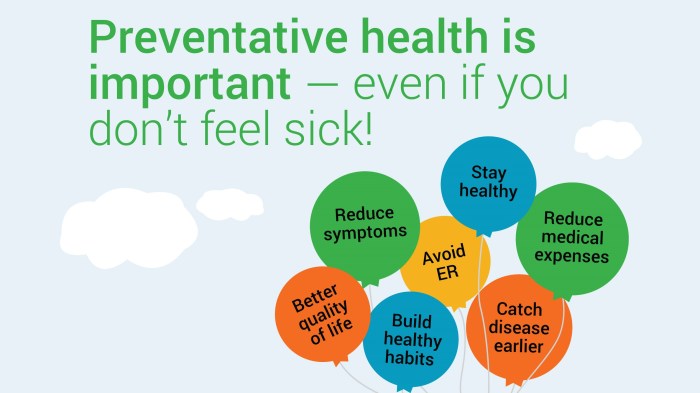
Healthy Snacks
When it comes to maintaining a healthy diet, snacking plays a crucial role in ensuring seniors get the necessary nutrients throughout the day. It’s important to choose nutrient-rich snacks and practice portion control to support overall health and well-being.
Examples of Nutrient-Rich Snacks
- Fresh fruits such as apples, berries, and oranges
- Raw vegetables like carrots, cucumbers, and bell peppers with hummus
- Handful of nuts or seeds for a dose of healthy fats and protein
- Greek yogurt with a sprinkle of granola or nuts for added crunch
- Whole grain crackers with a slice of lean turkey or cheese
Importance of Portion Control
Preventive medicine strategies for seniors – While snacking on nutrient-rich foods is beneficial, it’s essential to practice portion control to avoid overeating. Seniors should aim for small, balanced snacks that provide energy without leading to excessive calorie consumption.
Preparing Easy and Healthy Snacks at Home
One simple way to prepare healthy snacks at home is by pre-cutting fruits and vegetables and storing them in portion-sized containers for easy access. Additionally, making homemade trail mix with nuts, seeds, and dried fruits can be a nutritious and satisfying snack option.
Wellness Programs
Wellness programs tailored for seniors are designed to promote physical, mental, and emotional well-being. These programs offer a variety of activities and resources to help seniors stay active, engaged, and healthy.
Types of Wellness Programs
- Exercise Classes: These programs focus on improving strength, flexibility, and balance through activities like yoga, tai chi, and water aerobics.
- Nutrition Workshops: Seniors can learn about healthy eating habits, meal planning, and the importance of a balanced diet.
- Mental Health Support Groups: These programs provide a safe space for seniors to discuss their feelings, share experiences, and receive emotional support.
- Health Screenings: Wellness programs often include screenings for blood pressure, cholesterol, and other health indicators to help seniors monitor their well-being.
Benefits of Participating in Wellness Programs
- Improved Physical Health: Regular exercise and proper nutrition can help seniors maintain a healthy weight, reduce the risk of chronic diseases, and improve overall physical health.
- Enhanced Mental Well-being: Engaging in social activities, learning new skills, and staying mentally active through wellness programs can help prevent cognitive decline and boost mental health.
- Increased Social Connections: Wellness programs provide opportunities for seniors to connect with others, build friendships, and combat feelings of loneliness and isolation.
Improving Quality of Life for Seniors
Participating in wellness programs can significantly enhance the overall quality of life for seniors by promoting a holistic approach to health and well-being. These programs empower seniors to take control of their health, stay active and engaged, and enjoy a fulfilling and meaningful life in their golden years.
Physical Therapy
Physical therapy plays a crucial role in preventive medicine for seniors by helping them maintain their physical function, mobility, and independence as they age. Through targeted exercises and interventions, physical therapists can address specific issues related to strength, balance, flexibility, and overall mobility in seniors.
Common Exercises in a Physical Therapy Routine for Seniors
Physical therapy routines for seniors often include a combination of exercises aimed at improving strength, balance, flexibility, and endurance. Some common exercises include:
- Leg lifts to improve lower body strength and balance.
- Arm raises to enhance upper body strength and flexibility.
- Balance exercises such as standing on one leg or using a balance board to prevent falls.
- Walking or marching in place to improve cardiovascular fitness.
- Gentle stretches to maintain flexibility and range of motion.
How Physical Therapy Helps Seniors Maintain Mobility and Independence
Physical therapy can help seniors maintain their mobility and independence by addressing specific physical limitations and challenges they may face as they age. By focusing on improving strength, balance, and flexibility, physical therapy can help seniors perform daily tasks more easily and reduce the risk of falls and injuries.
Regular physical therapy sessions can also help seniors manage chronic pain, improve their overall quality of life, and delay the progression of age-related conditions.
Health Coaching
Health coaching plays a crucial role in promoting healthy habits for seniors by providing personalized guidance, motivation, and support to help them achieve their health goals.
Finding a Qualified Health Coach for Seniors
When looking for a qualified health coach for seniors, consider the following tips:
- Look for certifications: Ensure the health coach holds relevant certifications from reputable organizations.
- Experience: Opt for a coach with experience working specifically with seniors.
- Personalized approach: Choose a coach who customizes their programs to meet the individual needs and goals of seniors.
- Communication skills: A good health coach should have excellent communication skills to effectively motivate and support seniors.
- Feedback and reviews: Check for feedback and reviews from previous clients to gauge the effectiveness of the coach.
Supporting Seniors in Achieving Health Goals
Health coaching can support seniors in achieving their health goals by:
- Setting realistic and achievable goals: Coaches help seniors set goals that are attainable and sustainable.
- Providing education and guidance: Coaches offer valuable information and guidance on nutrition, exercise, and lifestyle choices.
- Offering accountability: Regular check-ins and support from a health coach help seniors stay on track and accountable for their actions.
- Behavioral change support: Coaches assist seniors in making lasting behavioral changes to improve their overall health and well-being.
Medical Advancements
In recent years, there have been significant advancements in preventive medicine for senior care, revolutionizing the way healthcare is delivered to the elderly population. These advancements not only focus on treating diseases but also on preventing them before they even occur.
Technological Innovations in Healthcare
- Telemedicine: Seniors can now consult with healthcare providers remotely, making it easier to access medical care without leaving their homes.
- Wearable Health Devices: Devices such as smartwatches can monitor vital signs and activity levels, providing valuable data to healthcare professionals for early intervention.
- Electronic Health Records: Digitizing medical records allows for seamless sharing of information between healthcare providers, leading to better coordination of care for seniors.
Cutting-Edge Treatments and Interventions
- Gene Therapy: Advances in genetic research have led to personalized treatments based on an individual’s genetic makeup, offering targeted therapies for seniors with genetic predispositions to certain diseases.
- Immunotherapy: This innovative approach harnesses the body’s immune system to fight diseases like cancer, providing seniors with a less invasive and more effective treatment option.
- Robotic Surgery: Minimally invasive robotic-assisted surgeries reduce recovery time and complications for seniors undergoing procedures, improving overall outcomes.
Fitness Goals
Setting realistic fitness goals is crucial for seniors to maintain their overall health and well-being. By establishing achievable objectives, seniors can stay motivated and track their progress effectively.
Examples of Fitness Goals
- Increasing daily steps by 500 within a month for seniors aged 65-75.
- Attending a yoga class twice a week for seniors aged 75 and above.
- Improving upper body strength through resistance training for seniors aged 60-70.
Impact of Achieving Fitness Goals
- Improved cardiovascular health and reduced risk of heart disease.
- Enhanced flexibility and balance, reducing the risk of falls and injuries.
- Boosted mood and mental well-being, leading to a better quality of life.
Balanced Nutrition
Proper nutrition plays a crucial role in the preventive medicine strategies for seniors. A well-rounded and nutritious diet can help seniors maintain their overall health and wellbeing, reduce the risk of chronic diseases, and improve their quality of life.
Tips for Creating a Well-Rounded Diet Plan
- Include a variety of fruits and vegetables in different colors to ensure a wide range of vitamins and minerals.
- Choose whole grains such as brown rice, whole wheat bread, and quinoa for fiber and sustained energy.
- Opt for lean protein sources like poultry, fish, beans, and nuts to support muscle health and repair.
- Incorporate healthy fats from sources like avocado, olive oil, and nuts for heart health and brain function.
- Avoid processed foods high in added sugars, salt, and unhealthy fats that can contribute to inflammation and chronic conditions.
Impact on Overall Health and Wellbeing
Ensuring seniors have a balanced nutrition plan can have a profound impact on their overall health and wellbeing. Proper nutrition can help maintain a healthy weight, boost immunity, improve cognitive function, and enhance energy levels, allowing seniors to stay active and independent as they age.
Mental Strength
In the journey of aging gracefully, mental strength plays a crucial role in maintaining overall health and well-being. Seniors who possess mental resilience and cognitive sharpness are better equipped to navigate the challenges that come with aging.
Strategies for Improving Mental Resilience
- Engage in cognitive exercises such as puzzles, crosswords, and memory games to keep the mind sharp.
- Practice mindfulness and meditation to reduce stress and improve focus.
- Stay socially active by connecting with friends, family, or joining community groups to prevent feelings of loneliness and isolation.
- Regular physical exercise not only benefits the body but also boosts mood and cognitive function.
Importance of Mental Strength for Longevity
Mental strength contributes to longevity by reducing the risk of cognitive decline, dementia, and depression in seniors.
Studies have shown that seniors with strong mental resilience are more likely to maintain healthy habits, adhere to medical treatments, and have a positive outlook on life. This positive mindset can significantly impact overall health and contribute to a longer, fulfilling life.
Yoga Practice
Incorporating yoga into a senior’s fitness routine can bring a multitude of benefits, both physically and mentally. Yoga is a gentle form of exercise that focuses on breathing, flexibility, strength, and relaxation. It can help seniors improve their overall well-being and quality of life.
Benefits of Yoga for Seniors
- Improved Flexibility: Yoga poses help seniors stretch and lengthen their muscles, leading to increased flexibility and range of motion.
- Enhanced Balance: The practice of yoga involves various poses that challenge balance and stability, which can be beneficial for preventing falls and injuries in seniors.
- Stress Reduction: The breathing techniques and mindfulness practices in yoga can help seniors reduce stress, anxiety, and improve mental well-being.
- Strength Building: Yoga poses often require holding positions that engage different muscle groups, helping seniors build strength and maintain muscle mass.
Beginner-Friendly Yoga Poses for Seniors
- Mountain Pose (Tadasana): Stand tall with feet hip-width apart, arms by your sides, and focus on deep breathing.
- Chair Pose (Utkatasana): Sit back as if sitting in an imaginary chair, engaging your core and thighs.
- Cat-Cow Stretch: Move between arching your back (cow pose) and rounding your back (cat pose) to improve spine flexibility.
- Legs Up the Wall (Viparita Karani): Lie on your back with legs extended up a wall to promote relaxation and reduce swelling in the legs.
Improving Flexibility, Balance, and Mental Wellbeing
Regular yoga practice can significantly improve flexibility by stretching and lengthening muscles. Seniors can enhance their balance through various yoga poses that challenge stability and coordination. Additionally, the mindfulness and breathing techniques in yoga can promote mental well-being by reducing stress, anxiety, and enhancing overall mood.
Health Education
Health education plays a crucial role in empowering seniors to take control of their well-being. By staying informed about health-related topics, seniors can make informed decisions that positively impact their overall health and quality of life.
Importance of Ongoing Health Education
Providing seniors with access to ongoing health education ensures they are equipped with the knowledge and tools necessary to manage their health effectively. This education can cover a wide range of topics, including preventive measures, disease management, healthy lifestyle choices, and more.
- Regular health education sessions can help seniors stay updated on the latest medical advancements and treatment options available to them.
- By learning about common health conditions and risk factors, seniors can take proactive steps to prevent potential health issues.
- Health education can also promote better communication between seniors and their healthcare providers, leading to more personalized care and treatment plans.
Resources for Seniors to Stay Informed
Seniors have access to a variety of resources that can help them stay informed about health-related topics:
- Community health centers and senior centers often offer health education workshops and seminars.
- Online resources such as reputable health websites, webinars, and virtual health classes can provide valuable information on a wide range of health topics.
- Healthcare providers, including doctors, nurses, and pharmacists, can serve as valuable sources of information and guidance for seniors.
Empowering Seniors Through Health Education
Health education empowers seniors to make informed decisions about their health by arming them with the knowledge and resources they need to prioritize their well-being. With the right information at their fingertips, seniors can take proactive steps to lead healthier and more fulfilling lives.
Weight Management
Maintaining a healthy weight is crucial for seniors to improve their overall health and reduce the risk of chronic diseases. By implementing effective weight management strategies, seniors can enhance their quality of life and longevity.
Role of Weight Management in Preventing Chronic Diseases
Weight management plays a significant role in preventing chronic diseases such as diabetes, heart disease, and hypertension among seniors. Excess weight can strain the body’s organs and systems, leading to various health issues. By maintaining a healthy weight, seniors can lower their risk of developing these conditions and improve their overall well-being.
Tips for Achieving and Sustaining a Healthy Weight, Preventive medicine strategies for seniors
- Monitor portion sizes: Be mindful of portion sizes to avoid overeating and maintain a balanced diet.
- Stay active: Engage in regular physical activity to burn calories and improve metabolism.
- Choose nutrient-dense foods: Opt for foods that are rich in nutrients and low in calories to support weight management.
- Stay hydrated: Drink plenty of water throughout the day to stay hydrated and curb cravings.
- Seek professional guidance: Consult a healthcare provider or nutritionist for personalized advice on weight management strategies.
Health Checkups
Regular health checkups are crucial for seniors to monitor their overall well-being and detect any potential health issues early on. These routine screenings and tests can help in preventing serious health conditions and ensuring a better quality of life for seniors.
Common Screenings and Tests
- Blood pressure monitoring: Regular checks can help in detecting hypertension early.
- Cholesterol level tests: Important for assessing cardiovascular health.
- Blood sugar tests: Essential for managing diabetes and preventing complications.
- Bone density scans: To check for osteoporosis and assess bone health.
- Colonoscopy: Recommended for colorectal cancer screening.
- Eye exams: To detect vision problems and eye diseases.
Importance of Early Detection
Regular health checkups can lead to early detection of potential health issues, allowing for timely intervention and treatment. This can prevent the progression of diseases and improve the chances of successful management. Seniors who undergo routine screenings are more likely to maintain good health and enjoy a higher quality of life.
Skin Health
Maintaining healthy skin is crucial for seniors as they age. Aging skin can become more fragile, thinner, and drier, making it important to follow a proper skincare routine to keep it healthy.
Skincare Tips for Seniors
- Always use a gentle cleanser to wash your face, avoiding harsh chemicals that can strip the skin of its natural oils.
- Moisturize regularly to keep the skin hydrated and prevent dryness and cracking.
- Protect your skin from the sun by applying sunscreen with at least SPF 30 every day, even on cloudy days.
- Stay hydrated by drinking plenty of water to keep your skin looking plump and healthy.
- Eat a diet rich in antioxidants and vitamins to promote skin health from the inside out.
Common Skin Issues and How to Address Them
- Age spots and wrinkles are common signs of aging skin. Using products with retinoids can help reduce the appearance of wrinkles and promote collagen production.
- Dry skin can be addressed by using a thick, emollient moisturizer regularly to lock in moisture.
- Skin cancer is a concern for seniors due to years of sun exposure. Regular skin checks with a dermatologist are important for early detection and treatment.
The Importance of Sun Protection and Skincare Routines
Sun protection is crucial for seniors to prevent skin damage, premature aging, and skin cancer. Establishing a consistent skincare routine can help maintain the skin’s health and appearance as you age.
Emotional Health
Emotional health plays a crucial role in the overall well-being of seniors. It can impact their physical health, cognitive function, and quality of life. Seniors who prioritize their emotional health often experience better resilience to stress, improved relationships, and a more positive outlook on life.
Impact of Emotional Health
Maintaining good emotional health is essential for seniors as it can significantly impact their overall well-being. It can help in reducing the risk of depression, anxiety, and other mental health conditions. Seniors with good emotional health are more likely to engage in social activities, maintain healthy relationships, and cope effectively with life’s challenges.
- Practicing mindfulness and relaxation techniques can help seniors manage stress and improve their emotional well-being.
- Engaging in hobbies and activities that bring joy and fulfillment can boost seniors’ emotional health and overall happiness.
- Seeking support from friends, family, or a therapist can provide seniors with the necessary tools to cope with emotional challenges.
- Participating in group therapy or support groups can help seniors feel connected and supported by others facing similar struggles.
Professional Help for Mental Health Concerns
It is important for seniors to seek professional help if they are experiencing persistent feelings of sadness, anxiety, or hopelessness. Mental health concerns should not be ignored or dismissed, as they can have a significant impact on a senior’s quality of life. Seeking help from a therapist, counselor, or psychiatrist can provide seniors with the necessary support and resources to address their mental health concerns effectively.
Remember, taking care of your emotional health is just as important as taking care of your physical health. Don’t hesitate to seek help if you’re struggling emotionally.
Health Motivation
Staying motivated to prioritize health is essential for seniors to maintain a healthy lifestyle. It can be challenging to stay on track with preventive medicine strategies, but with the right mindset and inspiration, it is possible to achieve wellness goals.
Tips for Health Motivation
- Set realistic goals: Break down health goals into smaller, achievable steps to stay motivated.
- Find a support system: Surround yourself with friends, family, or a health coach who can encourage and motivate you.
- Reward yourself: Celebrate small victories along the way to keep yourself motivated and on track.
- Stay positive: Focus on the progress you have made rather than setbacks to maintain motivation.
Role of Motivation in Health Habits
Motivation plays a crucial role in maintaining healthy habits and lifestyle choices for seniors. It provides the drive and determination needed to make positive changes and stick to them in the long run. By staying motivated, seniors can overcome obstacles and challenges that may arise on their health journey.
Inspirational Stories of Seniors
- Martha, at 75, embraced a daily walking routine and healthy eating habits, leading to improved overall health and vitality.
- John, 80 years old, joined a senior wellness program and found renewed energy and motivation to prioritize his health.
- Evelyn, 70, incorporated yoga practice into her daily routine, experiencing increased flexibility and mental clarity.
Physical Activities: Preventive Medicine Strategies For Seniors
Staying physically active is crucial for seniors to maintain their overall health and well-being. Regular physical activity can help improve mobility, strength, balance, and mental health, reducing the risk of chronic diseases and improving quality of life.
Low-Impact Exercises for Seniors
- Walking: A low-impact exercise that can be easily incorporated into daily routine, promoting cardiovascular health and improving overall fitness.
- Swimming: Great for seniors as it is gentle on the joints and provides a full-body workout, improving muscle strength and flexibility.
- Yoga: Helps improve flexibility, balance, and relaxation, reducing stress and promoting mental well-being.
- Cycling: A low-impact exercise that can be done indoors or outdoors, improving cardiovascular fitness and strengthening leg muscles.
Benefits of Regular Physical Activity for Seniors
- Improved Mobility: Regular physical activity helps seniors maintain flexibility and range of motion, reducing the risk of falls and injuries.
- Enhanced Strength: Strength training exercises can help seniors build muscle mass, improve bone density, and increase overall strength.
- Better Overall Health: Physical activity can help manage chronic conditions such as arthritis, diabetes, and heart disease, improving overall health and reducing the need for medications.
Health Awareness
Raising awareness about preventive healthcare among seniors is crucial for maintaining their overall well-being. By educating seniors about health-related issues and the importance of regular checkups, they can take proactive steps to prevent illnesses and improve their quality of life.
Improved health awareness empowers seniors to make informed decisions about their health. It enables them to recognize symptoms early, seek appropriate medical care, and adopt healthy lifestyle habits. With access to reliable resources and information, seniors can better understand their health conditions and take control of managing them effectively.
Resources for Seniors
- Senior centers offering health education workshops and seminars.
- Online platforms providing reliable information on senior health topics.
- Community events focused on promoting health awareness among seniors.
- Healthcare providers offering personalized guidance on preventive care for seniors.
Preventive Medicine
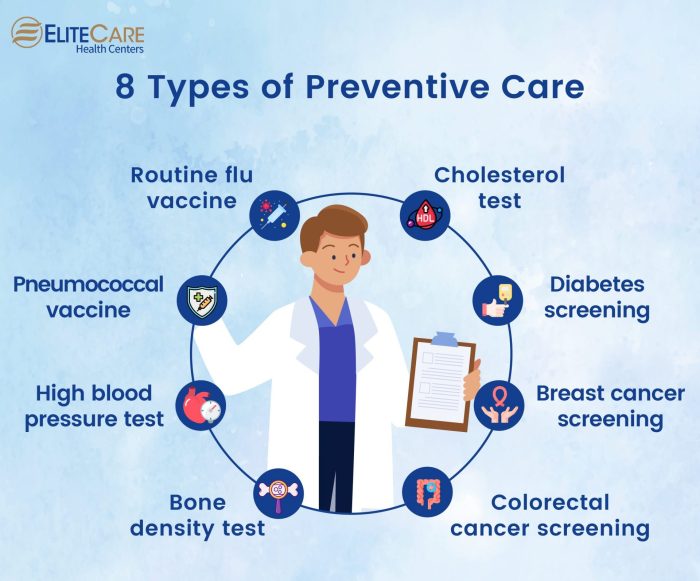
Preventive medicine plays a crucial role in senior care by focusing on strategies to prevent diseases and promote overall health and well-being. It involves identifying risk factors, implementing interventions, and educating seniors about healthy lifestyle choices.
Principles of Preventive Medicine for Seniors
- Regular Health Checkups: Seniors should undergo routine checkups to monitor their health status and detect any potential issues early on.
- Vaccinations: Ensuring seniors are up to date with vaccinations can help prevent various infectious diseases.
- Healthy Diet: Encouraging seniors to maintain a balanced diet rich in nutrients can support their immune system and overall health.
- Physical Activity: Engaging in regular exercise can help seniors maintain mobility, strength, and cardiovascular health.
- Screenings: Screening tests for conditions such as cancer, diabetes, and hypertension can aid in early detection and treatment.
Preventive medicine focuses on proactive measures to prevent diseases rather than just treating them.
Benefits of Preventive Medicine Strategies for Seniors
- Improved Quality of Life: By incorporating preventive measures, seniors can enjoy a higher quality of life with better health outcomes.
- Cost-Effective Care: Preventing diseases through proactive measures can reduce healthcare costs associated with treating advanced illnesses.
- Enhanced Longevity: Preventive medicine can help seniors live longer, healthier lives by addressing risk factors and promoting overall well-being.
Nutritional Counseling
Nutritional counseling for seniors plays a crucial role in promoting overall health and well-being. It involves personalized dietary advice tailored to individual needs, helping seniors make informed choices for better nutrition and health.
Benefits of Nutritional Counseling for Seniors
- Assessment of dietary needs based on health conditions, medications, and lifestyle.
- Educating seniors on proper portion sizes and balanced meals to meet nutritional requirements.
- Support in managing chronic conditions such as diabetes, hypertension, or obesity through diet.
- Guidance on incorporating nutrient-rich foods to boost immunity and energy levels.
- Prevention of malnutrition or deficiencies that can impact physical and cognitive function.
Finding a Qualified Nutritionist
- Seek recommendations from healthcare providers or support groups specializing in senior nutrition.
- Verify credentials and experience of the nutritionist, ensuring they are registered dietitians.
- Consider factors like location, cost, and communication style for a comfortable and effective counseling relationship.
- Discuss goals, preferences, and any dietary restrictions to personalize the counseling sessions.
Supporting Healthy Food Choices
- Developing meal plans that are easy to prepare, affordable, and enjoyable for seniors.
- Encouraging mindful eating habits and addressing emotional factors that influence food choices.
- Providing ongoing guidance and motivation to adopt long-term dietary changes for improved health outcomes.
- Monitoring progress, adjusting recommendations as needed, and celebrating achievements along the way.
Healthy Mind
Maintaining a healthy mind is crucial for seniors as it is closely linked to their physical health and overall wellbeing. A positive mindset and engaging in activities that promote cognitive health can have a significant impact on seniors’ quality of life.
Activities for Cognitive Health
- Engage in puzzles and brain games to keep the mind sharp.
- Participate in social activities to stimulate the brain and prevent isolation.
- Practice meditation and mindfulness to reduce stress and improve mental clarity.
- Learn a new skill or hobby to challenge the brain and promote neuroplasticity.
Importance of Positive Outlook
Maintaining a positive outlook is essential for seniors as it can help reduce stress, improve immune function, and enhance overall mental wellbeing. Seniors who approach life with optimism are more likely to engage in healthy behaviors and cope better with challenges.
Engaging in Mentally Stimulating Activities
Seniors should participate in mentally stimulating activities such as reading, writing, playing musical instruments, or engaging in creative pursuits. These activities can help improve cognitive function, memory, and overall brain health in seniors.
Detailed FAQs
How can seniors benefit from wellness programs?
Wellness programs offer tailored activities and resources to enhance seniors’ physical, mental, and emotional well-being, fostering social connections and overall quality of life.
What are the benefits of incorporating yoga into a senior’s fitness routine?
Regular yoga practice can improve flexibility, balance, and mental well-being in seniors, promoting physical health and emotional resilience.
Why is balanced nutrition crucial for preventive medicine in seniors?
Balanced nutrition plays a vital role in maintaining seniors’ overall health and well-being, supporting immune function, energy levels, and disease prevention.