Introduction to Mindfulness
Benefits of mindfulness for a healthy mind – Mindfulness is the practice of being fully present and aware of our thoughts, emotions, and surroundings without judgment. It plays a crucial role in promoting mental well-being by reducing stress, anxiety, and improving focus and clarity.
Mindfulness practices, such as meditation and deep breathing exercises, can benefit overall mental health by helping individuals manage their emotions, increase self-awareness, and cultivate a sense of inner peace.
Mindfulness Techniques
- Meditation: One of the most common mindfulness practices, meditation involves focusing on your breath or a specific object to cultivate awareness and promote relaxation.
- Deep Breathing Exercises: Deep breathing exercises help calm the mind and body by slowing down the heart rate and reducing stress levels.
- Body Scan: This technique involves focusing on different parts of the body to bring awareness to physical sensations and promote relaxation.
- Mindful Walking: Practicing mindfulness while walking involves paying attention to each step, the movement of the body, and the surrounding environment, fostering a sense of grounding and presence.
Benefits of Mindfulness for a Healthy Mind
Mindfulness practices offer numerous benefits for maintaining a healthy mind, including:
Reducing Stress and Anxiety
Mindfulness techniques, such as deep breathing and meditation, help individuals manage stress and anxiety by promoting relaxation and reducing the impact of negative thoughts. By focusing on the present moment, individuals can alleviate worries about the past or future, leading to a calmer state of mind.
Improving Focus and Concentration
Engaging in mindfulness activities enhances cognitive abilities, such as focus and concentration. By training the mind to stay present and attentive, individuals can improve their ability to concentrate on tasks, leading to increased productivity and efficiency in daily activities.
Enhancing Emotional Regulation and Resilience
Mindfulness practices help individuals develop emotional regulation skills, allowing them to acknowledge and manage their emotions effectively. By cultivating self-awareness and acceptance, individuals can build resilience to adverse situations, leading to better emotional well-being and coping mechanisms.
Incorporating Mindfulness into Daily Routine
Integrating mindfulness practices into your daily routine can help you cultivate a sense of peace and well-being amidst the hustle and bustle of everyday life. Consistency is key to reaping the long-term benefits of mindfulness.
Mindful Breathing
One simple way to incorporate mindfulness into your daily routine is through mindful breathing exercises. Take a few minutes each day to focus on your breath, paying attention to the sensation of each inhale and exhale.
Mindful Walking
Another effective mindfulness activity is mindful walking. Whether you’re at home or work, take a short walk and pay attention to each step you take. Notice the sensations in your body and the environment around you.
Mindful Eating
Practicing mindful eating can also help you cultivate mindfulness in your daily life. Take the time to savor each bite of your meal, paying attention to the flavors, textures, and sensations as you eat.
Consistency is Key
It’s important to make mindfulness a consistent part of your daily routine to experience its full benefits. Set aside dedicated time each day for mindfulness practices and make a commitment to yourself to prioritize your mental well-being.
Mindfulness in Relation to Healthy Snacks
When it comes to food choices and eating habits, mindfulness plays a crucial role in promoting overall health and well-being. Mindful eating involves being fully present and aware of the food you consume, which can lead to better choices and a more balanced diet.
Impact of Mindful Eating
Mindful eating can help prevent overeating by allowing you to tune into your body’s hunger and fullness cues. By paying attention to the sensory experience of eating, such as taste, texture, and smell, you can savor your food more and avoid mindless snacking.
- Choose whole foods: Opt for nutritious snacks like fruits, vegetables, nuts, and seeds instead of processed and high-sugar options.
- Practice portion control: Be mindful of serving sizes and avoid mindlessly munching on snacks straight from the bag.
- Eat slowly and mindfully: Take the time to enjoy your snacks without distractions, allowing yourself to fully appreciate the flavors and textures.
- Listen to your body: Pay attention to hunger and fullness cues to know when you’re truly hungry or just craving a snack out of habit or boredom.
Mindfulness within Wellness Programs
Many wellness programs for employees or individuals incorporate mindfulness as a key component to promote overall well-being. Mindfulness practices are known to reduce stress, improve focus, and enhance emotional regulation, making them valuable additions to wellness initiatives.
Role of Mindfulness in Wellness Programs
- Mindfulness Meditation: Guided meditation sessions are often included in wellness programs to help participants cultivate a sense of presence and awareness.
- Yoga and Tai Chi: Mindful movement practices like yoga and tai chi are commonly offered as part of wellness programs to promote relaxation and mind-body connection.
- Stress Reduction Workshops: Mindfulness-based stress reduction workshops teach individuals how to respond to stressors with a calm and clear mind.
Mindfulness Techniques in Physical Therapy
Mindfulness practices can be a valuable addition to traditional physical therapy treatments by helping patients focus on the present moment, increase body awareness, and manage pain and stress more effectively. Incorporating mindfulness techniques into physical therapy sessions can enhance the overall rehabilitation process and improve patient outcomes.
Benefits of Mindfulness for Pain Management and Rehabilitation
- Reduction in perceived pain levels: Mindfulness techniques, such as deep breathing and body scans, can help patients manage and reduce their perception of pain.
- Improved emotional well-being: Mindfulness practices can assist patients in coping with the emotional challenges associated with pain and injury, leading to better mental health outcomes.
- Enhanced focus and concentration: By practicing mindfulness, patients can improve their ability to focus on their rehabilitation exercises and movement patterns, aiding in better recovery.
Examples of Mindfulness Techniques Used in Physical Therapy Sessions
- Deep breathing exercises: Encouraging patients to focus on their breath can promote relaxation, reduce stress, and enhance body awareness during physical therapy sessions.
- Body scan meditation: Guiding patients through a body scan meditation can help them connect with their bodies, identify areas of tension or discomfort, and release physical and emotional stress.
- Mindful movement: Incorporating mindfulness into movement-based therapies, such as yoga or tai chi, can improve balance, coordination, and body awareness in patients undergoing rehabilitation.
Mindfulness and Health Coaching
Mindfulness can be seamlessly integrated into health coaching sessions to enhance client outcomes. Health coaches leverage mindfulness techniques to support behavior change, promote goal setting, and ultimately improve overall well-being.
Role of Mindfulness in Supporting Behavior Change and Goal Setting
- Encouraging clients to practice mindfulness meditation to increase self-awareness and regulate emotions.
- Using mindfulness to help clients identify triggers for unhealthy habits and develop strategies to overcome them.
- Incorporating mindfulness techniques to enhance motivation and focus on achieving health-related goals.
Examples of Mindfulness Strategies Used by Health Coaches
- Guided mindfulness meditation sessions to reduce stress and improve mental clarity.
- Encouraging mindful eating practices to promote healthier food choices and prevent overeating.
- Implementing mindfulness-based stress reduction techniques to manage anxiety and improve overall mental health.
Mindfulness and Medical Advancements
Mindfulness techniques are increasingly being incorporated into medical care and treatments due to their proven benefits on both mental and physical health. Research has shown that mindfulness practices can have a positive impact on various physical health conditions, leading to improvements in overall well-being.
Research Findings on the Impact of Mindfulness on Physical Health Conditions
- Studies have demonstrated that mindfulness can help reduce symptoms of chronic pain, such as lower back pain and migraines, by promoting relaxation and reducing stress levels.
- Mindfulness-based interventions have been shown to be effective in managing conditions like hypertension, heart disease, and diabetes, by lowering blood pressure and improving glucose control.
- Research also suggests that mindfulness techniques can enhance immune function, leading to better overall health and a reduced risk of infections.
Examples of Medical Advancements that Include Mindfulness-Based Interventions
- Many hospitals and healthcare facilities now offer mindfulness-based stress reduction programs to help patients cope with the emotional and physical challenges of illness and treatment.
- Some medical professionals incorporate mindfulness practices into their treatment plans for patients undergoing surgery or cancer treatment, to reduce anxiety and enhance recovery.
- Technological advancements have also led to the development of mindfulness apps and virtual reality programs that can be used in medical settings to support patients in managing pain and improving overall well-being.
Mindfulness for Achieving Fitness Goals
Mindfulness practices can significantly enhance motivation and performance in fitness routines. By incorporating mindfulness techniques, individuals can develop a deeper awareness of their bodies, thoughts, and emotions during exercise, leading to improved focus, endurance, and overall well-being.
Benefits of Mindfulness for Setting and Achieving Fitness Goals
- Enhanced focus and concentration during workouts, leading to better form and technique.
- Increased motivation to stay consistent with exercise routines and push through challenges.
- Better mind-body connection, allowing individuals to listen to their bodies’ signals and prevent injuries.
- Reduced stress and anxiety related to performance, leading to a more positive mindset towards fitness goals.
Examples of Mindfulness Techniques to Improve Athletic Performance
- Body scan meditation: Practicing a body scan meditation before a workout can help individuals become more aware of any tension or discomfort in specific areas of the body, allowing them to address these issues before starting the exercise.
- Focused breathing: Utilizing focused breathing techniques, such as deep belly breathing or box breathing, can help individuals regulate their breathing patterns during intense workouts, leading to improved endurance and performance.
- Visualization: Engaging in visualization exercises where individuals picture themselves successfully completing their fitness goals can boost confidence and motivation, making it easier to push through difficult workouts.
Mindfulness and Balanced Nutrition
Mindfulness plays a crucial role in promoting balanced nutrition by enhancing our awareness of our eating habits and food choices. By practicing mindfulness, individuals can develop a deeper connection with their body’s hunger cues and improve portion control, ultimately leading to healthier dietary decisions.
Practicing Mindful Eating
One way mindfulness can support balanced nutrition is through mindful eating practices. This involves paying full attention to the sensory experience of eating, such as the taste, texture, and aroma of food. By being present in the moment while eating, individuals can better recognize feelings of fullness and satisfaction, preventing overeating.
- Avoiding distractions while eating, such as watching TV or scrolling through your phone, can help you focus on your meal and better appreciate the flavors.
- Taking the time to chew your food slowly and savor each bite can improve digestion and allow your body to signal when it’s satiated.
- Listeing to your body’s hunger and fullness cues can help you make more conscious decisions about when to start and stop eating, promoting a healthier relationship with food.
Building Mental Strength through Mindfulness
Mindfulness plays a crucial role in building mental strength by enhancing resilience and toughness, enabling individuals to manage negative thoughts and emotions effectively. By incorporating mindfulness practices into daily routines, individuals can develop a more positive mindset and cope with challenges more constructively.
Role of Mindfulness in Managing Negative Thoughts and Emotions
Mindfulness helps individuals become more aware of their thoughts and emotions without judgment, allowing them to observe and acknowledge negative patterns. By practicing mindfulness, individuals can create space between their thoughts and reactions, leading to better control over their emotions and reducing the impact of negative thinking.
Examples of Mindfulness Exercises for Developing Mental Strength
- Body Scan: A practice where individuals focus on different parts of their body, noticing sensations without judgment, helping them to become more aware of physical and emotional experiences.
- Deep Breathing: Engaging in deep, intentional breathing exercises can help calm the mind and body, reducing stress and enhancing mental clarity.
- Thought Labeling: By labeling negative thoughts as they arise, individuals can create distance from them, preventing them from spiraling into overwhelming emotions.
- Loving-Kindness Meditation: This practice involves sending positive intentions and compassion to oneself and others, fostering a sense of connection and resilience.
Mindfulness in Yoga Practice
Mindfulness and yoga have a deep connection that promotes both mental and physical well-being. When mindfulness is integrated into yoga practice, it enhances the mind-body connection, allowing individuals to fully experience each movement and breath.
Intersection of Mindfulness and Yoga
Incorporating mindfulness into yoga helps individuals to focus on the present moment, bringing awareness to their breath, body sensations, and thoughts. This heightened awareness cultivates a sense of inner peace and clarity during the practice.
- Mindful Breathing: Practicing deep, intentional breathing while moving through yoga poses helps to center the mind and connect with the body’s movements.
- Body Scan: Mindfully scanning the body for areas of tension or discomfort during yoga allows for targeted relaxation and release of physical and emotional stress.
- Intention Setting: Setting a mindful intention at the beginning of a yoga practice helps to guide the mind towards a specific focus or goal, promoting a sense of purpose and direction.
Mindfulness in Health Education
Mindfulness in health education plays a crucial role in enhancing students’ overall well-being and academic performance.
Importance of Incorporating Mindfulness into Health Education Curriculums
Integrating mindfulness practices into health education curriculums can help students develop essential skills for managing stress, improving focus, and enhancing emotional regulation. By cultivating mindfulness, students can learn to better cope with the challenges they may face in their academic and personal lives.
How Mindfulness Improves Learning, Memory, and Cognitive Functions
- Practicing mindfulness techniques, such as deep breathing exercises and body scans, can help students improve their concentration and focus during lectures or study sessions.
- Research has shown that mindfulness can enhance memory retention and cognitive functions by reducing mind-wandering and improving information processing.
- Regular mindfulness practice has been linked to increased creativity, problem-solving skills, and overall academic performance.
Examples of Mindfulness Activities Used in Health Education Settings
- Guided meditation sessions to promote relaxation and stress reduction.
- Breathing exercises to help students stay grounded and focused during exams or presentations.
- Mindful eating practices to encourage healthy nutrition habits and mindful food choices.
Mindfulness for Weight Management
Mindfulness practices can play a significant role in supporting sustainable weight loss or maintenance by bringing awareness to our eating habits, emotions, and triggers. By being present in the moment, individuals can develop a healthier relationship with food and make more conscious choices regarding their diet and lifestyle.
Impact of Mindfulness on Eating Behaviors and Self-Regulation
- Practicing mindfulness can help individuals become more attuned to their body’s hunger and fullness cues, leading to better portion control and reduced overeating.
- It can also increase self-awareness around emotional eating triggers, allowing individuals to address underlying issues and develop healthier coping mechanisms.
- Mindfulness promotes a non-judgmental approach to food, reducing guilt and shame associated with eating habits and fostering a more positive relationship with food.
Examples of Mindfulness Techniques for Effective Weight Management
- Body Scan: This technique involves focusing on different parts of the body, increasing awareness of physical sensations and promoting a connection between the mind and body.
- Mindful Eating: Paying attention to the sensory experience of eating, such as taste, texture, and smell, can enhance satisfaction from food and prevent mindless overeating.
- Thought Labeling: Identifying and labeling negative thoughts or cravings related to food can help individuals detach from them and make more conscious choices.
- Breathing Exercises: Engaging in deep breathing exercises can reduce stress and anxiety, which are common triggers for emotional eating.
Mindfulness and Health Checkups
Mindfulness can play a crucial role in reducing anxiety and enhancing the overall patient experience during health checkups. By promoting a sense of calm and presence, mindfulness techniques can help individuals approach medical assessments with a more positive mindset.
Role of Mindfulness in Promoting Proactive Health Behaviors
- Encourages individuals to stay present and focused during health checkups, leading to better communication with healthcare providers.
- Helps in managing stress and anxiety related to medical appointments, resulting in a more relaxed and cooperative attitude towards the checkup.
- Promotes a proactive approach towards health by fostering a deeper understanding of one’s physical and mental well-being.
Mindfulness Techniques for Health Assessments
- Deep breathing exercises to calm the mind and body before entering the medical facility.
- Body scan meditation to increase awareness of physical sensations and reduce tension during the checkup.
- Guided imagery to visualize a positive outcome and alleviate fears associated with the medical procedure.
Mindfulness for Skin Health
When it comes to skin health, the connection between mindfulness and overall well-being plays a crucial role. Mindfulness practices can have a significant impact on reducing stress levels, which in turn can benefit various skin conditions and promote skin rejuvenation.
Benefits of Mindfulness for Skin Health
- Reduced Stress Levels: Mindfulness techniques such as deep breathing, meditation, and body scanning can help lower stress hormones in the body, leading to a decrease in skin issues caused or exacerbated by stress.
- Improved Skin Healing: By focusing on the present moment and practicing mindfulness, individuals can enhance the body’s natural ability to heal and repair skin damage more effectively.
- Enhanced Skin Radiance: Mindfulness can promote a healthy glow from within by improving blood circulation and promoting better oxygenation to the skin cells.
Mindfulness and Emotional Health
Mindfulness practices play a crucial role in enhancing emotional well-being and resilience by promoting self-awareness and emotional regulation. By cultivating mindfulness, individuals can develop a deeper understanding of their emotions and learn to respond to them in a more constructive manner.
Impact of Mindfulness on Managing Emotions
- Mindfulness helps individuals observe their emotions without judgment, allowing them to acknowledge and accept their feelings without getting overwhelmed.
- Practicing mindfulness can reduce reactivity to negative emotions, leading to improved emotional control and increased ability to cope with stressors.
- By increasing awareness of thought patterns and emotional triggers, mindfulness enables individuals to make more conscious choices in how they respond to challenging situations.
Examples of Mindfulness Exercises for Improving Emotional Health
- Body Scan Meditation: This exercise involves focusing on different parts of the body, noticing any sensations or emotions that arise without trying to change them.
- Loving-Kindness Meditation: By extending compassion and kindness towards oneself and others, individuals can cultivate positive emotions and build emotional resilience.
- Emotional Awareness Practice: This exercise involves labeling emotions as they arise, acknowledging their presence, and observing how they change over time.
Cultivating Health Motivation through Mindfulness
Mindfulness can play a crucial role in enhancing motivation for adopting healthy lifestyle habits by increasing self-awareness and focusing on the present moment. When individuals practice mindfulness, they become more attuned to their thoughts, emotions, and bodily sensations, which can help them identify unhealthy patterns and triggers that may be hindering their progress towards better health.
Role of Mindfulness in Sustaining Long-Term Health Behavior Changes
- By incorporating mindfulness into daily routines, individuals can develop a deeper understanding of their motivations for making healthy choices and staying committed to their goals.
- Mindfulness helps individuals cultivate a non-judgmental attitude towards themselves, which can reduce self-criticism and increase self-compassion, leading to better adherence to health behaviors over time.
- Through mindfulness practices such as meditation, deep breathing, and body scans, individuals can manage stress, anxiety, and other emotional factors that may impact their ability to maintain healthy habits in the long run.
Examples of Mindfulness Strategies for Health Motivation
- Setting daily intentions for healthy choices and reflecting on them mindfully at the end of the day.
- Practicing mindful eating by savoring each bite, paying attention to hunger and fullness cues, and avoiding distractions during meals.
- Engaging in mindful movement practices such as yoga or tai chi to connect the mind and body, reduce stress, and increase physical activity levels.
Mindfulness in Physical Activities
Mindfulness can greatly enhance performance and enjoyment in physical activities by helping individuals stay present, focused, and aware of their movements and sensations. By incorporating mindfulness into exercise routines, individuals can deepen their mind-body connection, improve coordination, reduce stress, and enhance overall well-being.
Benefits of Mindfulness in Physical Activities
- Increased focus and concentration during workouts
- Enhanced mind-body connection for better movement control
- Reduced risk of injury by being more aware of body signals
- Improved stress management and relaxation
Mindfulness Techniques for Enhancing Physical Activity Experiences
- Body scan meditation to tune into physical sensations before and after exercise
- Focused breathing to stay present and calm during challenging workouts
- Mindful movement practices like yoga or tai chi to cultivate awareness of body movements
- Awareness of surroundings during outdoor activities to fully immerse in the present moment
Mindfulness for Health Awareness
Mindfulness plays a crucial role in increasing awareness of one’s physical and mental health needs. By being present in the moment and tuning into our thoughts, feelings, and bodily sensations, we can better understand our overall health and well-being.
Promoting Self-Care Practices
- Practicing mindfulness meditation can help individuals become more attuned to their bodies, noticing any signs of stress or discomfort that may indicate a need for self-care.
- Engaging in mindful eating can promote healthier food choices and a better relationship with food, leading to improved physical health.
- Mindfulness exercises like body scans can help individuals identify areas of tension or pain in their bodies, prompting them to take necessary steps for self-care and relaxation.
Health-Conscious Behaviors
- By practicing mindfulness, individuals can become more aware of their habits and behaviors that may impact their health negatively, such as smoking, poor sleep patterns, or lack of physical activity.
- Through mindfulness, people can cultivate a sense of self-awareness and self-compassion, which are essential for making positive changes towards a healthier lifestyle.
- Mindfulness can help individuals break free from automatic and unhealthy patterns of behavior by bringing conscious awareness to their choices and actions.
Examples of Mindfulness Activities
- Body scan meditation: A practice where individuals systematically focus on each part of their body, noticing any sensations or areas of tension.
- Mindful walking: Engaging in walking meditation, paying attention to each step and the sensations in the body as you move.
- Mindful breathing: Bringing awareness to the breath, using it as an anchor to stay present in the moment and calm the mind.
Mindfulness in Preventive Medicine
When it comes to preventive medicine, mindfulness plays a crucial role in maintaining overall health and well-being. By incorporating mindfulness practices into daily routines, individuals can enhance their awareness of physical and mental changes, leading to early detection and management of health issues.
Benefits of Mindfulness in Preventive Medicine, Benefits of mindfulness for a healthy mind
- Improved stress management: Mindfulness techniques such as deep breathing and meditation can help reduce stress levels, which is essential for preventing various health conditions associated with chronic stress.
- Enhanced self-awareness: Mindfulness practice encourages individuals to tune into their body’s signals, making it easier to recognize any unusual symptoms or changes that may require medical attention.
- Promotes healthy habits: By being mindful of their thoughts and actions, individuals are more likely to make healthier choices in terms of diet, exercise, and overall lifestyle, reducing the risk of developing preventable diseases.
Mindfulness and Nutritional Counseling
Mindfulness techniques can significantly enhance the effectiveness of nutritional counseling by promoting a deeper awareness of one’s eating habits, emotions, and triggers related to food choices. When individuals practice mindfulness during counseling sessions, they are better able to connect with their body’s hunger and fullness cues, leading to improved decision-making regarding food intake.
Benefits of Incorporating Mindfulness into Developing Healthy Eating Habits
- Reduces mindless eating by increasing awareness of portion sizes and food choices.
- Promotes a healthier relationship with food by encouraging non-judgmental acceptance of cravings and emotions related to eating.
- Helps in identifying and addressing emotional eating triggers through mindful awareness.
Examples of Mindfulness Strategies Used in Nutritional Counseling Sessions
- Body Scan Meditation: Guided practice to increase awareness of physical sensations and emotions related to food choices.
- Mindful Eating Exercise: Encourages individuals to eat slowly, savor each bite, and pay attention to taste, texture, and feelings of fullness.
- Mindful Meal Planning: Teaches clients to plan meals mindfully, considering nutritional needs, preferences, and portion sizes.
Mindfulness for a Healthy Mind
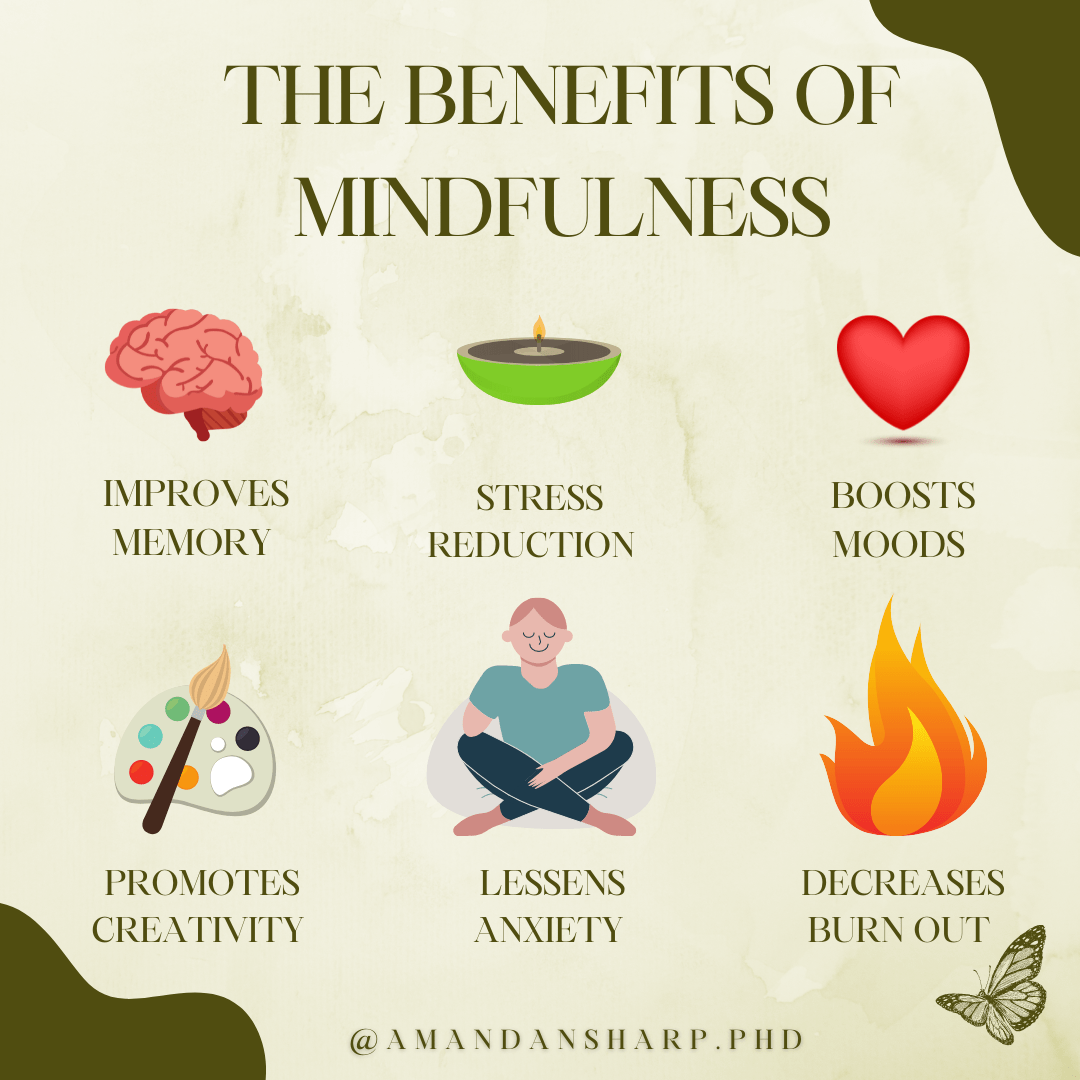
Practicing mindfulness has numerous benefits for maintaining a healthy mind. It can help reduce stress, improve focus and concentration, enhance emotional regulation, and promote overall mental well-being.
Key Takeaways on the Benefits of Mindfulness for a Healthy Mind
Integrating mindfulness practices into daily routines can have long-lasting effects on mental health. By being present in the moment and cultivating awareness, individuals can better manage stress, anxiety, and negative emotions. Mindfulness can also improve cognitive function, memory, and decision-making skills.
Importance of Mindfulness in Overall Mental Well-being
- Mindfulness promotes self-awareness and self-compassion, leading to better emotional regulation and resilience in the face of challenges.
- It helps individuals break free from rumination and overthinking, allowing for a more balanced and positive mindset.
- Regular mindfulness practice can enhance creativity, problem-solving abilities, and overall mental clarity.
Integration of Mindfulness Practices into Daily Routines
By incorporating mindfulness into daily activities such as breathing exercises, meditation, or mindful eating, individuals can experience a range of mental health benefits. Consistency is key in reaping the full rewards of mindfulness, as it gradually transforms the way one perceives and responds to the world around them.
FAQ Explained: Benefits Of Mindfulness For A Healthy Mind
How can mindfulness help in reducing stress and anxiety?
Mindfulness practices such as meditation and deep breathing exercises can help calm the mind and reduce stress and anxiety levels by promoting relaxation and presence in the moment.
What are some examples of mindfulness activities that can be done at home or work?
Simple mindfulness activities like mindful breathing, body scans, or mindful walking can easily be incorporated into daily routines at home or work to promote mental well-being.
How does mindfulness impact emotional regulation and resilience?
Mindfulness enhances emotional regulation and resilience by increasing self-awareness, promoting acceptance of emotions, and developing the ability to respond to challenging situations with clarity and composure.