Physical activities for improving posture: Enhance your health and wellness through targeted exercises

Physical activities for improving posture

Importance of Good Posture

Maintaining good posture is crucial for overall health and well-being. It not only helps in preventing musculoskeletal problems but also plays a significant role in enhancing confidence and appearance.

Impact of Poor Posture on Health

Poor posture can lead to a myriad of health issues, including back and neck pain, headaches, muscle fatigue, and even digestive problems. Over time, it can affect the alignment of the spine and lead to more serious conditions like sciatica or kyphosis.

Benefits of Improving Posture through Physical Activities

Engaging in physical activities specifically targeted at improving posture can have numerous benefits. Strengthening the core muscles, stretching tight muscles, and correcting imbalances can all contribute to better posture. Additionally, these activities can help increase flexibility, reduce the risk of injury, and enhance overall physical performance.

Physical Activities for Improving Posture

Regular physical activities can play a significant role in improving posture by strengthening muscles and promoting flexibility. Here are some exercises and techniques that can help enhance your posture:

Exercises to Strengthen Muscles

  • Planks: Engage your core muscles by holding a plank position for 30 seconds to 1 minute.
  • Bridges: Lie on your back with knees bent, lift your hips off the ground to engage your glutes and core.
  • Rows: Using resistance bands or weights, perform rowing motions to strengthen the upper back muscles.
  • Lunges: Step forward into a lunge position to strengthen your leg muscles and improve balance.

Correct Posture Techniques for Everyday Activities

  • Walking: Keep your head up, shoulders back, and engage your core while walking to maintain proper alignment.
  • Sitting: Sit with your back straight, shoulders relaxed, and feet flat on the floor to support your spine.
  • Standing: Distribute weight evenly on both feet, keep shoulders back, and avoid locking your knees while standing.

Role of Stretching Exercises in Improving Flexibility

  • Neck stretches: Gently tilt your head from side to side to release tension in the neck and shoulders.
  • Shoulder stretches: Bring one arm across your body and hold it with the other arm to stretch the shoulders.
  • Hamstring stretches: Sit on the floor with one leg extended and lean forward to stretch your hamstrings.
  • Chest stretches: Clasp your hands behind your back and gently lift them to open up the chest and improve posture.

Incorporating Yoga Practice

Yoga is a powerful practice that can greatly improve posture through a combination of specific poses and breathing techniques. By focusing on alignment, flexibility, and strength, yoga helps correct imbalances in the body that contribute to poor posture.

Benefits of Including Yoga in a Regular Fitness Routine

  • Improved Posture: Yoga poses like Mountain Pose, Downward Facing Dog, and Warrior II help strengthen the core, back, and shoulder muscles, promoting better posture.
  • Increased Flexibility: Yoga stretches target tight muscles that can pull the body out of alignment, allowing for a more upright and balanced posture.
  • Enhanced Body Awareness: Through mindful movement and breathwork, yoga helps individuals become more aware of their posture habits and make conscious adjustments.
  • Stress Reduction: Yoga promotes relaxation and reduces tension in the body, preventing the buildup of stress that can lead to poor posture.

Yoga Poses Targeting Posture-Related Muscle Groups, Physical activities for improving posture

  • Mountain Pose (Tadasana): This pose helps improve posture by aligning the spine, engaging the core, and opening the chest and shoulders.
  • Cobra Pose (Bhujangasana): By strengthening the back muscles and stretching the chest, Cobra Pose counteracts the effects of slouching.
  • Bridge Pose (Setu Bandhasana): This pose targets the back, glutes, and hamstrings, promoting a strong and stable lower back for better posture.
  • Cat-Cow Stretch (Marjaryasana-Bitilasana): Alternating between these two poses helps mobilize the spine and improve flexibility in the back, relieving tension that can impact posture.

Benefits of Physical Therapy

Physical therapy plays a crucial role in helping individuals improve their posture and overall musculoskeletal health. Through customized exercise plans and targeted interventions, physical therapists can address postural issues and help individuals achieve better alignment and balance.

Customized Exercise Plans

Physical therapists are trained to assess an individual’s posture and identify areas of weakness or imbalance. They then design personalized exercise plans that target specific muscle groups to strengthen and improve alignment. These exercises may include stretches, strengthening exercises, and postural corrections to address the root cause of postural issues.

Success Stories

Many individuals have seen significant improvements in their posture through physical therapy. By consistently following their customized exercise plans and working closely with their physical therapists, they have been able to correct imbalances, reduce pain, and enhance their overall quality of life. These success stories serve as a testament to the effectiveness of physical therapy in improving posture and musculoskeletal health.

Health Coaching for Posture Improvement

Physical activities for improving posture – Health coaches play a crucial role in guiding individuals towards better posture habits by providing personalized guidance and support. They work closely with clients to address specific postural concerns and develop strategies to improve overall posture.

Personalized Coaching Approach

Health coaches take into consideration each individual’s unique posture issues, such as rounded shoulders, forward head posture, or lower back pain. By tailoring their guidance to address these specific concerns, they can help clients make sustainable changes to their posture habits.

Tips for Daily Routine

  • Set reminders to check your posture throughout the day, especially when sitting or standing for long periods.
  • Incorporate regular stretching breaks to release tension and improve flexibility in key muscle groups that affect posture.
  • Practice mindful breathing exercises to engage core muscles and promote proper alignment.
  • Work on strengthening exercises for the back, core, and shoulders to support a more upright posture.
  • Avoid slouching or hunching over electronic devices by adjusting the height and position of screens and keyboards.

Medical Advancements for Posture Correction

Medical science has made significant strides in developing innovative treatments and technologies for correcting posture issues. These advancements have revolutionized the way posture correction is approached and have provided individuals with more effective solutions to improve their posture.

Advanced Posture Correction Techniques

One of the modern treatments for posture correction includes the use of wearable devices that monitor and provide real-time feedback on posture alignment. These devices help individuals become more aware of their posture habits and make necessary adjustments to maintain proper alignment throughout the day.

Additionally, advanced imaging technologies such as MRI and X-rays allow healthcare providers to accurately assess the underlying causes of poor posture, enabling them to tailor treatment plans to address specific issues effectively.

Success Stories in Posture Correction

Many individuals have experienced life-changing improvements in their posture through the use of cutting-edge medical advancements. For example, individuals who have undergone spinal correction surgeries have reported significant relief from chronic pain and enhanced posture alignment, leading to a better quality of life.

Furthermore, individuals who have utilized advanced physical therapy techniques, such as targeted exercises and manual adjustments, have seen remarkable improvements in their posture and overall musculoskeletal health.

Setting Fitness Goals for Posture Improvement

When it comes to improving posture through fitness, setting realistic goals is key to success. By establishing clear objectives, tracking progress, and staying motivated, you can make significant improvements in your posture over time.

Importance of Setting Realistic Fitness Goals

  • Setting realistic fitness goals ensures that you are working towards achievable milestones.
  • It helps you track your progress and make adjustments as needed to continue improving your posture.
  • Having clear goals provides motivation and a sense of accomplishment as you reach each milestone.

Tips for Setting and Achieving Posture-Related Fitness Goals

  • Start by identifying specific posture issues you want to address, such as rounded shoulders or a forward head position.
  • Set measurable goals, such as improving flexibility in certain muscle groups or maintaining a straighter spine while sitting or standing.
  • Break down larger goals into smaller, more manageable tasks to prevent feeling overwhelmed.
  • Track your progress regularly through measurements, photos, or journaling to stay accountable and celebrate small victories.
  • Adjust your goals as needed based on your progress and any changes in your posture or fitness level.
  • Stay motivated by rewarding yourself for reaching milestones, seeking support from friends or a fitness community, and reminding yourself of the benefits of improved posture.

Importance of Balanced Nutrition for Posture

Having a balanced diet is crucial for maintaining good posture as it directly impacts muscle strength and alignment in the body.

Connection between Nutrition and Posture Health

Nutrition plays a key role in supporting the health of our musculoskeletal system, which is essential for maintaining proper posture. A diet rich in essential nutrients can help strengthen muscles, bones, and joints, leading to better alignment and posture.

Foods that Promote Musculoskeletal Health

  • Lean proteins like chicken, fish, tofu, and legumes provide the necessary building blocks for muscle repair and growth.
  • Foods high in calcium such as dairy products, leafy greens, and fortified foods help support bone health and strength.
  • Omega-3 fatty acids found in fatty fish, flaxseeds, and walnuts have anti-inflammatory properties that can reduce muscle soreness and improve flexibility.
  • Colorful fruits and vegetables rich in antioxidants help reduce inflammation and support overall musculoskeletal health.
  • Whole grains like quinoa, brown rice, and oats provide sustained energy for muscle function and repair.

Mental Strength and Posture

Maintaining good posture goes beyond physical alignment; mental wellness and mindset play a crucial role in how we carry ourselves. Our mental state can impact our posture in various ways, making it essential to address the connection between mental strength and posture.

Impact of Mental Wellness on Posture

  • Stress and anxiety can lead to tense muscles, affecting posture negatively.
  • Low self-esteem and poor body image may result in slouching or hunching.
  • Positive mindset and confidence can help in maintaining an upright posture.

Importance of Mental Strength for Good Posture Habits

  • Having mental resilience can motivate us to prioritize posture habits.
  • Positive self-talk can reinforce the importance of standing tall and straight.
  • Mindfulness practices can help in being aware of our body alignment throughout the day.

Tips for Mindfulness Practices to Improve Posture

  • Practice deep breathing exercises to release tension and improve body awareness.
  • Engage in meditation to calm the mind and focus on aligning the spine.
  • Avoid multitasking and dedicate moments to check and correct posture alignment.

Health Education on Posture

Health education plays a crucial role in creating awareness about posture-related issues. By educating individuals on the importance of good posture and the potential risks associated with poor posture, health education helps to prevent posture-related problems and promote overall well-being.

Role of Health Education in Posture Awareness

Health education aims to inform individuals about the impact of posture on their health and daily activities. By raising awareness about the benefits of good posture, such as reduced risk of musculoskeletal disorders and improved breathing and circulation, health education empowers individuals to take proactive steps towards maintaining proper posture.

Importance of Educating on Posture Correction Techniques

It is essential to educate individuals on posture correction techniques to help them address existing postural issues and prevent future problems. Health education can provide information on exercises, ergonomic adjustments, and lifestyle changes that promote better posture and overall musculoskeletal health.

Resources for Learning More about Maintaining Good Posture

  • Online articles and videos on posture exercises and ergonomics
  • Books and publications on musculoskeletal health and posture correction
  • Workshops and seminars conducted by health professionals on posture awareness
  • Consultation with physical therapists or chiropractors for personalized posture improvement plans

Weight Management and Posture

Maintaining a healthy weight is crucial for supporting good posture as excess weight can put strain on the spine and muscles, leading to poor posture and potential health issues. Here are some tips on how weight management can impact posture health and exercises to help improve both simultaneously.

Impact of Weight Management on Posture Health

Excess weight can lead to poor posture due to the added stress on the spine and muscles. This can result in a forward head position, rounded shoulders, and an arched lower back. By managing weight effectively, individuals can reduce strain on their bodies and improve overall posture.

Tips on Maintaining a Healthy Weight for Better Posture

  • Aim for a balanced diet rich in fruits, vegetables, lean protein, and whole grains to support weight management.
  • Stay hydrated and limit sugary drinks and snacks to help control calorie intake.
  • Incorporate regular physical activity into your routine, such as cardio, strength training, and flexibility exercises.
  • Avoid prolonged sitting and take breaks to stand and stretch throughout the day to improve posture and burn calories.

Exercises to Manage Weight and Improve Posture

  • Cardiovascular exercises like running, cycling, or swimming can help burn calories and support weight management.
  • Strength training exercises targeting the core, back, and leg muscles can improve posture by strengthening supportive muscles.
  • Yoga and Pilates are great for posture improvement as they focus on alignment, core strength, and flexibility.
  • Regular stretching exercises can help alleviate muscle tension and improve range of motion for better posture.

Regular Health Checkups for Posture: Physical Activities For Improving Posture

Regular health checkups play a crucial role in identifying posture-related issues before they escalate into more serious problems. These routine examinations help healthcare professionals assess and address any posture concerns that may be affecting an individual’s overall health and well-being.

Assessment and Intervention During Checkups

During regular health checkups, healthcare professionals, such as doctors, physical therapists, or chiropractors, can conduct various assessments to evaluate a person’s posture. This may include observing the individual’s standing and sitting posture, assessing any postural imbalances or misalignments, and identifying any underlying musculoskeletal issues that could be contributing to poor posture.

Once posture-related issues are identified, healthcare professionals can recommend appropriate interventions to address these concerns. This may involve prescribing specific exercises, stretches, or physical therapy sessions to improve posture, as well as providing guidance on ergonomic adjustments in daily activities to prevent further strain on the body.

Benefits of Early Detection and Intervention

Early detection of posture-related problems through regular health checkups allows for timely intervention and treatment. By addressing these issues early on, individuals can prevent the development of more serious musculoskeletal conditions, such as chronic back pain, neck stiffness, or spinal misalignments.

Moreover, early intervention for posture-related problems can help improve overall physical function, reduce the risk of injuries, and enhance quality of life. By correcting posture issues at an early stage, individuals can experience better mobility, flexibility, and comfort in their daily activities, leading to improved overall health and well-being.

Skin Health and Posture

Maintaining good posture not only benefits your musculoskeletal system but also plays a crucial role in promoting healthy skin. Proper posture can have a significant impact on your skin health and overall appearance. Let’s explore the connection between skin health and posture, as well as some skincare tips to complement posture-improving activities for holistic well-being.

Effects of Posture on Skin Health

  • Improved circulation: Good posture helps enhance blood flow, delivering essential nutrients and oxygen to the skin cells. This can result in a more radiant complexion and better skin health.
  • Prevention of wrinkles: Slouching or hunching can lead to creases and lines on the skin, contributing to premature aging. Maintaining proper posture can help prevent the formation of wrinkles.
  • Reduced acne and breakouts: Poor posture can cause sweat and oil to accumulate on the skin, leading to clogged pores and breakouts. By maintaining good posture, you can reduce the risk of acne and other skin issues.

Skincare Tips for Better Posture

  • Stay hydrated: Drinking an adequate amount of water helps keep your skin hydrated and healthy, supporting its elasticity and overall appearance.
  • Use sunscreen: Protecting your skin from harmful UV rays is essential for maintaining its health and preventing premature aging. Apply sunscreen daily, even on cloudy days.
  • Cleanse and moisturize: Establish a skincare routine that includes gentle cleansing and moisturizing to keep your skin clean, hydrated, and nourished.
  • Incorporate antioxidants: Antioxidants can help protect your skin from damage caused by free radicals, promoting a youthful and healthy complexion. Include foods rich in antioxidants in your diet or use skincare products with antioxidant properties.

Emotional Health and Posture

Emotional well-being plays a crucial role in maintaining good posture. Our mental state can significantly impact how we carry ourselves and the overall alignment of our bodies. Stress, anxiety, and other emotional issues can manifest physically, leading to poor posture and related problems.

Connection between Emotional Health and Posture

Emotions like stress and anxiety can cause tension in the muscles, especially in the neck, shoulders, and back. This tension can result in slouching, rounded shoulders, and an overall misalignment of the spine. Over time, these postural issues can become chronic and lead to pain and discomfort.

  • Chronic stress can contribute to the development of conditions like forward head posture, where the head juts forward from the body, causing strain on the neck and shoulders.
  • Anxiety and tension can lead to tightness in the chest muscles, pulling the shoulders forward and rounding the upper back.
  • Poor emotional health can also affect our overall energy levels and motivation to engage in physical activities that promote good posture.

Tips for Improving Emotional Health to Impact Posture

Improving emotional well-being can positively influence posture and overall physical health. Here are some tips to enhance emotional health for better posture:

  1. Practice stress-reducing activities such as meditation, deep breathing exercises, or yoga to release tension in the body.
  2. Engage in regular physical activity to boost endorphins, which can help improve mood and reduce stress levels.
  3. Seek support from friends, family, or a therapist to address underlying emotional issues and develop coping strategies.
  4. Prioritize self-care activities like getting enough sleep, eating a balanced diet, and taking breaks to relax and recharge.

Health Motivation for Posture Improvement

Maintaining good posture is essential for overall health and well-being. While it may require some effort and consistency, staying motivated to work on improving posture is crucial for long-term benefits. Here are some strategies to help you stay motivated on your journey to better posture:

Setting Realistic Goals

  • Start by setting achievable goals for improving your posture. Break down the process into smaller steps to track your progress effectively.
  • Set specific goals such as sitting up straight for a certain amount of time each day or incorporating posture exercises into your routine.
  • Celebrate small victories along the way to keep yourself motivated and encouraged.

Seeking Support

  • Reach out to friends, family, or a health professional for support and encouragement. Having a support system can help you stay accountable and motivated.
  • Consider joining a posture improvement group or class to connect with others who are on a similar journey.
  • Share your goals with someone you trust to help you stay on track and motivated.

Visualizing Success

  • Visualize yourself with perfect posture and imagine the benefits it will bring to your health and confidence.
  • Create a vision board or write down affirmations related to good posture to keep yourself motivated and focused on your goals.
  • Pick a role model with excellent posture and use them as inspiration to work towards improving your own posture.

Health Awareness and Posture

Maintaining good posture is crucial for overall health and well-being. It is essential to raise awareness about posture-related health issues to prevent potential problems and improve quality of life. By promoting health awareness, individuals can take proactive measures to address posture issues early on, leading to better outcomes and reduced risk of complications.

Promoting Posture Awareness

  • Community Workshops: Organizing workshops or seminars in local communities to educate individuals about the importance of good posture and how to maintain it.
  • Social Media Campaigns: Utilizing platforms like social media to spread awareness about posture-related health issues, share tips for improving posture, and encourage positive habits.
  • School Programs: Implementing posture awareness programs in schools to educate children and adolescents about the significance of proper posture and its impact on overall health.
  • Corporate Wellness Initiatives: Incorporating posture awareness into workplace wellness programs to help employees prevent posture-related injuries and discomfort.

Preventive Medicine for Posture

Maintaining good posture is essential for overall health and well-being. Preventive medicine plays a crucial role in addressing posture-related concerns by focusing on proactive measures to avoid potential issues in the future.

Incorporating Preventive Measures

  • Regular stretching and strengthening exercises can help improve muscle tone and alignment, reducing the risk of postural imbalances.
  • Practicing proper ergonomics at work and home, such as setting up an ergonomic workstation and using supportive furniture, can prevent strain on the spine and muscles.
  • Staying active and maintaining a healthy weight through regular exercise and balanced nutrition can support proper posture and reduce the risk of musculoskeletal problems.
  • Seeking regular chiropractic care or physical therapy sessions can help identify and address any postural issues before they become more serious.

Nutritional Counseling for Posture Improvement

Physical activities for improving posture
Nutritional counseling plays a crucial role in supporting efforts to correct posture by providing the body with essential nutrients needed for muscle strength, bone health, and overall well-being. A nutritionist can recommend specific diet changes tailored to individual needs, which can help in improving posture over time.

Role of a Nutritionist in Posture Improvement

Nutritionists can assess an individual’s current diet and lifestyle habits to identify any deficiencies or excesses that may be affecting posture. They can then create a personalized nutrition plan that includes foods rich in calcium, magnesium, vitamin D, and other nutrients essential for bone health and muscle function. By ensuring proper nutrition, a nutritionist can help in preventing conditions like osteoporosis or muscle weakness that can impact posture negatively.

Tips for Aligning Nutritional Choices with Posture Goals

– Include a variety of fruits and vegetables in your diet to ensure a good intake of vitamins and minerals that support bone health and muscle function.
– Consume adequate protein from sources like lean meat, fish, eggs, and legumes to promote muscle strength and repair.
– Stay hydrated by drinking plenty of water throughout the day to maintain the elasticity of connective tissues and joints.
– Limit processed foods, sugary drinks, and excessive caffeine intake, as they can contribute to inflammation and affect posture.
– Consider taking supplements like calcium, vitamin D, or omega-3 fatty acids if necessary, under the guidance of a nutritionist.

Promoting a Healthy Mind for Better Posture

Maintaining good posture is not just about physical alignment; it also involves mental well-being. A healthy mind contributes to better posture by reducing stress, enhancing focus, and increasing body awareness.

Practices for a Healthy Mind and Improved Posture

  • Practice mindfulness: Engage in activities like meditation or deep breathing exercises to calm the mind and increase body awareness. This can help prevent slouching and promote better alignment.
  • Cultivate a positive mindset: Positive thinking can lead to better posture as it boosts confidence and self-esteem. Focus on affirmations and gratitude to support a healthy mindset.
  • Avoid negative self-talk: Be mindful of your internal dialogue and replace negative thoughts with positive affirmations. This can help prevent tension in the body that may lead to poor posture.

Popular Questions

How often should I perform physical activities to improve my posture?

It’s recommended to engage in posture-improving exercises at least 3-4 times a week for noticeable results. Consistency is key to seeing improvements in your posture.

Can poor posture be corrected through physical activities alone?

While physical activities play a significant role in improving posture, combining them with awareness of your posture throughout the day and ergonomic adjustments can yield better results in correcting poor posture.

Are there specific exercises for desk-bound individuals to improve posture?

Yes, desk-friendly exercises like shoulder blade squeezes, seated spinal twists, and neck stretches can help counteract the negative effects of prolonged sitting on posture.

Online health education courses: Enhancing Wellness through Knowledge

Online health education courses

Overview of Online Health Education Courses

Online health education courses offer numerous benefits for individuals looking to expand their knowledge in the field of health and wellness. One of the key advantages is the flexibility and convenience that online learning provides. Students have the freedom to study at their own pace, on their own schedule, without the constraints of a traditional classroom setting.

Flexibility and Convenience

  • Students can access course materials and lectures from anywhere with an internet connection, allowing for a more personalized learning experience.
  • Online courses eliminate the need for commuting to a physical location, saving time and money on transportation costs.
  • Individuals with busy schedules or work commitments can easily fit studying into their daily routine, making it easier to balance education with other responsibilities.

Advantages over Traditional Classroom Settings

  • Online courses offer a more cost-effective option compared to traditional in-person classes, as they often have lower tuition fees and do not require additional expenses for textbooks or commuting.
  • Students have the flexibility to study at their own pace and revisit materials as needed, leading to a deeper understanding of the subject matter.
  • Online health education courses provide a more accessible learning environment for individuals with physical disabilities or those living in remote areas without easy access to educational institutions.

Importance of Healthy Snacks

Eating healthy snacks is crucial for maintaining good health and overall well-being. Healthy snacks can provide essential nutrients, energy, and help control hunger between meals. They can also contribute to weight management and support a balanced diet.

Examples of Healthy Snack Options

  • Fresh fruits like apples, bananas, berries, or oranges
  • Vegetable sticks with hummus or guacamole
  • Greek yogurt with nuts and seeds
  • Whole grain crackers with cheese
  • Homemade trail mix with dried fruits and nuts

Impact of Healthy Snacking on Overall Well-being

Online health education courses – Healthy snacking can boost energy levels, improve concentration, and enhance mood. It can also help regulate blood sugar levels, reduce the risk of chronic diseases, and support a healthy metabolism.

Tips on How to Incorporate Healthy Snacks into Daily Routines

  1. Plan ahead and prepare healthy snacks in advance
  2. Keep a variety of nutritious options readily available
  3. Avoid keeping unhealthy snacks within reach
  4. Listen to your body’s hunger cues and snack when hungry
  5. Stay hydrated and choose snacks that are high in fiber and protein

Wellness Programs for a Healthy Lifestyle

Wellness programs play a crucial role in promoting a healthy lifestyle by focusing on both physical and mental well-being. These programs typically encompass a variety of activities and resources aimed at improving overall health and quality of life.

Components of Effective Wellness Programs

  • Regular physical activity: Encouraging participants to engage in regular exercise routines tailored to their fitness levels.
  • Nutritional guidance: Providing information on healthy eating habits and creating balanced meal plans.
  • Mental health support: Offering resources for stress management, mindfulness practices, and mental health counseling.
  • Health screenings: Conducting regular health assessments to monitor progress and identify potential health issues.
  • Education and workshops: Offering seminars and workshops on various health topics to empower individuals to make informed decisions.

Promotion of Physical and Mental Health

  • Physical health benefits: Wellness programs can help improve cardiovascular health, boost immunity, increase energy levels, and reduce the risk of chronic diseases.
  • Mental health benefits: By promoting stress reduction, relaxation techniques, and emotional well-being, wellness programs can enhance mental clarity, focus, and overall psychological health.
  • Work-life balance: Wellness programs often emphasize the importance of maintaining a healthy balance between work responsibilities and personal well-being, leading to increased productivity and job satisfaction.

Success Stories of Individuals Benefiting from Wellness Programs

“After participating in a wellness program at my workplace, I noticed a significant improvement in my overall health. I lost weight, gained more energy, and felt happier and more focused at work.”

“Through regular attendance at wellness workshops and fitness classes, I was able to manage my stress levels better and develop healthier habits that have positively impacted my life.”

Role of Physical Therapy in Health Education

Physical therapy plays a crucial role in health education by focusing on rehabilitation and preventive care. It aims to improve mobility, reduce pain, and restore function for individuals with various health conditions. Let’s delve deeper into the importance of physical therapy and how it can enhance the quality of life.

Importance of Physical Therapy in Rehabilitation and Preventive Care

Physical therapy is essential for individuals recovering from injuries, surgeries, or chronic illnesses. By providing targeted exercises, manual therapy, and other interventions, physical therapists help patients regain strength, flexibility, and mobility. This not only accelerates the recovery process but also reduces the risk of future injuries or complications.

Moreover, physical therapy plays a vital role in preventive care by promoting proper body mechanics, posture, and movement patterns. Through education and personalized treatment plans, physical therapists empower individuals to take control of their health and prevent musculoskeletal issues before they escalate.

How Physical Therapy Improves Quality of Life

Physical therapy not only addresses physical impairments but also enhances overall well-being and quality of life. By improving mobility, reducing pain, and increasing independence, physical therapy enables individuals to perform daily activities with greater ease and confidence. This not only boosts their physical health but also contributes to mental and emotional well-being.

Additionally, physical therapy helps individuals manage chronic conditions such as arthritis, back pain, or neurological disorders. Through targeted exercises, pain management strategies, and lifestyle modifications, physical therapists support patients in effectively managing their conditions and improving their overall quality of life.

Online Education on the Benefits of Physical Therapy

Online health education courses play a vital role in raising awareness about the benefits of physical therapy. Through interactive modules, videos, and virtual sessions, individuals can learn about the importance of physical therapy in rehabilitation, preventive care, and overall wellness. These courses also provide valuable insights into how physical therapy can enhance mobility, reduce pain, and improve quality of life for individuals of all ages and abilities.

By leveraging online platforms, individuals can access educational resources, exercise demonstrations, and expert guidance on incorporating physical therapy into their daily routines. This empowers them to proactively manage their health, prevent injuries, and optimize their well-being through evidence-based practices recommended by physical therapy professionals.

Health Coaching for Personalized Guidance

Health coaches play a crucial role in supporting individuals to achieve their health goals by providing personalized guidance and support. They work closely with clients to create customized plans that address their unique needs and challenges, ultimately helping them make sustainable lifestyle changes for better health outcomes.

Advantages of Personalized Health Coaching

  • Individualized approach to health and wellness
  • Accountability and support from a knowledgeable professional
  • Focus on long-term behavior change rather than quick fixes
  • Tailored strategies to overcome specific barriers and challenges
  • Empowerment and motivation to take control of one’s health

Finding a Qualified Health Coach

  • Look for certifications and credentials from reputable organizations
  • Seek recommendations from trusted sources or healthcare professionals
  • Consider the coach’s experience and specialization in areas relevant to your health goals
  • Ensure good communication and rapport with the coach for effective collaboration
  • Discuss expectations, goals, and potential outcomes before committing to a coaching program

Recent Medical Advancements in Healthcare

Medical advancements in healthcare have been rapidly evolving, revolutionizing the way we approach diagnosis, treatment, and patient care. These breakthroughs have not only improved patient outcomes but also paved the way for a more efficient and effective healthcare system.

Advancements in Personalized Medicine

Personalized medicine has gained prominence with the use of genetic testing and precision medicine. By analyzing an individual’s genetic makeup, healthcare providers can tailor treatment plans specific to each patient’s unique needs. This approach has led to more targeted therapies, reducing side effects and improving overall treatment efficacy.

Innovations in Telemedicine

Telemedicine has seen significant growth, especially in light of the COVID-19 pandemic. Virtual consultations, remote monitoring, and telehealth platforms have made healthcare more accessible and convenient for patients. This technology has not only improved patient-doctor communication but also increased healthcare efficiency by reducing unnecessary hospital visits.

Advances in Robotic Surgery

Robotic surgery has transformed the field of surgery with its precision and minimally invasive techniques. Surgeons can now perform complex procedures with greater accuracy and control, leading to faster recovery times and reduced complications for patients. Robotic surgery has revolutionized treatment options for various medical conditions, offering less invasive alternatives to traditional surgery.

Impact of Artificial Intelligence

Artificial intelligence (AI) has played a crucial role in healthcare by analyzing vast amounts of data to identify patterns, predict outcomes, and improve decision-making processes. AI algorithms can assist in diagnosing diseases, personalizing treatment plans, and even predicting potential health risks. The integration of AI in healthcare has enhanced medical research, diagnostics, and patient care, ultimately leading to better health outcomes.

Setting and Achieving Fitness Goals

Setting and achieving fitness goals is crucial for maintaining a healthy lifestyle. By establishing realistic and achievable goals, individuals can stay motivated and track their progress effectively.

Strategies for Setting Realistic and Achievable Fitness Goals

  • Start by defining clear and specific goals, such as running a certain distance or losing a certain amount of weight.
  • Break down larger goals into smaller milestones to make progress more manageable and measurable.
  • Consider factors like time commitment, resources, and fitness level when setting goals to ensure they are attainable.
  • Seek guidance from a fitness professional to create a personalized plan that aligns with your fitness goals.

Importance of Tracking Progress Towards Fitness Goals

  • Tracking progress allows individuals to see how far they have come and stay motivated to continue working towards their goals.
  • Monitoring progress helps identify areas of improvement and adjust fitness routines accordingly for better results.
  • Use fitness apps or journals to record workouts, measurements, and other relevant data to track progress effectively.

Tips for Overcoming Obstacles and Staying Motivated to Achieve Fitness Goals

  • Stay consistent with your workouts and nutrition plan, even on days when motivation is low.
  • Find a workout buddy or join a fitness community for support and accountability.
  • Reward yourself for reaching milestones along the way to keep motivation high.
  • Stay positive and focus on the progress made rather than setbacks to maintain a healthy mindset.

Importance of Balanced Nutrition for Health

Balanced nutrition plays a crucial role in maintaining overall health by providing the body with essential nutrients needed for optimal functioning. It involves consuming the right amount of nutrients from a variety of food sources to support various bodily functions and prevent health issues.

Impact of Nutrition on Various Aspects of Health

Nutrition has a significant impact on different aspects of health, including:

  • Physical health: A balanced diet supports physical well-being, strengthens the immune system, and helps in maintaining a healthy weight.
  • Mental health: Nutrient-rich foods can positively affect mood, cognitive function, and overall mental well-being.
  • Prevention of chronic diseases: Proper nutrition can lower the risk of developing chronic conditions such as heart disease, diabetes, and certain cancers.
  • Energy levels: Eating a balanced diet provides the necessary energy to fuel daily activities and exercise routines.

Examples of Balanced Meals and Snacks for Optimal Health

Here are some examples of balanced meals and snacks that can promote optimal health:

Meal Components
Breakfast Whole grain toast with avocado and eggs, a side of berries
Lunch Grilled chicken salad with mixed greens, tomatoes, cucumbers, and a vinaigrette dressing
Snack Greek yogurt with nuts and a drizzle of honey
Dinner Baked salmon with quinoa and roasted vegetables

Building Mental Strength for Resilience: Online Health Education Courses

Building mental strength is crucial for resilience and emotional well-being. It involves developing coping mechanisms to deal with challenges and setbacks effectively. Mental strength plays a significant role in overall health by helping individuals navigate stress, anxiety, and difficult situations with a positive mindset.

Techniques for Building Mental Resilience

  • Practice mindfulness and meditation to increase self-awareness and reduce stress.
  • Engage in regular physical exercise to boost mood and improve mental clarity.
  • Cultivate a strong support system of friends and family for emotional support.
  • Set realistic goals and work towards achieving them to build confidence and resilience.

Importance of Mental Strength in Coping with Challenges

  • Mental strength helps individuals maintain a positive outlook during difficult times.
  • It enables better problem-solving skills and decision-making under pressure.
  • Individuals with strong mental resilience are less likely to experience burnout or emotional exhaustion.

Examples of How Mental Strength Contributes to Overall Health

  • Individuals with mental strength are better equipped to handle chronic illnesses and manage their symptoms effectively.
  • Strong mental resilience can improve relationships, work performance, and overall quality of life.
  • People with high levels of mental strength are more likely to bounce back from setbacks and persevere in achieving their goals.

Benefits of Yoga Practice for Mind and Body

Online health education courses
Yoga is a holistic practice that not only benefits the body but also the mind. It combines physical postures, breathing techniques, and meditation to promote overall well-being.

Types of Yoga and Their Benefits, Online health education courses

  • Hatha Yoga: Focuses on physical postures and breathing exercises to increase flexibility and strength.
  • Vinyasa Yoga: Involves flowing sequences of poses to improve cardiovascular health and build endurance.
  • Restorative Yoga: Uses props to support the body in relaxing poses, promoting deep relaxation and stress relief.

Incorporating Yoga into Daily Routine

Start by setting aside a specific time each day for yoga practice, even if it’s just for a few minutes. Consistency is key to reaping the benefits of yoga.

  • Choose a quiet space where you can focus and unwind without distractions.
  • Follow online yoga classes or tutorials to guide your practice and learn new poses.
  • Listen to your body and modify poses as needed to avoid strain or injury.
  • Combine yoga with other forms of exercise for a well-rounded fitness routine.

Health Education for Empowering Individuals

Health education plays a crucial role in empowering individuals to take control of their health and make informed decisions. By providing knowledge and resources, health education enables people to understand the importance of preventive care, healthy lifestyle choices, and overall wellness.

Impact on Preventive Care and Wellness

  • Health education increases awareness about the importance of regular check-ups and screenings for early detection of health issues.
  • It educates individuals on the benefits of preventive measures such as vaccinations, healthy eating habits, and exercise routines.
  • By promoting a proactive approach to health, education empowers individuals to take charge of their well-being and prevent diseases before they occur.

Examples of Improved Health Outcomes

  • Studies have shown that communities with access to comprehensive health education programs have lower rates of chronic diseases such as diabetes, heart disease, and obesity.
  • Individuals who receive health education on managing stress and mental health report improved overall well-being and quality of life.
  • Health education interventions targeting specific populations, such as pregnant women or seniors, have led to better health outcomes and reduced healthcare costs.

Strategies for Effective Weight Management

Maintaining a healthy weight is essential for overall well-being. By incorporating a balanced diet and regular exercise into your lifestyle, you can effectively manage your weight and improve your health. Online courses play a crucial role in educating individuals about sustainable weight management practices, providing them with the knowledge and tools needed to make lasting changes.

Tips for Maintaining a Healthy Weight

  • Focus on whole, nutrient-dense foods such as fruits, vegetables, lean proteins, and whole grains.
  • Avoid processed foods high in sugar, salt, and unhealthy fats.
  • Stay hydrated by drinking plenty of water throughout the day.
  • Practice portion control and mindful eating to prevent overeating.
  • Incorporate regular physical activity into your routine, such as cardio, strength training, and flexibility exercises.

Importance of Sustainable Weight Management Practices

Consistency is key when it comes to maintaining a healthy weight. Crash diets and extreme exercise regimens are not sustainable in the long run. It’s important to adopt healthy habits that you can maintain for life.

Role of Online Courses in Educating Individuals

Online courses provide a convenient and accessible way for individuals to learn about effective weight management strategies. They offer valuable information, resources, and support to help people make informed decisions about their health. By participating in online programs, individuals can receive personalized guidance and motivation to reach their weight management goals.

Importance of Regular Health Checkups

Regular health checkups play a crucial role in preventive care, helping individuals stay on top of their overall health and well-being. These routine screenings can detect potential health concerns early on, allowing for timely intervention and treatment.

Significance of Regular Health Checkups

  • Regular health checkups can help identify risk factors for diseases and conditions before symptoms manifest.
  • Early detection through routine screenings can lead to more effective treatment and improved outcomes.
  • Monitoring key health indicators regularly can help individuals make informed decisions about their lifestyle and healthcare choices.

Benefits of Early Detection

  • Early detection of health issues can prevent complications and reduce the severity of illnesses.
  • Timely intervention based on screening results can lead to better management of chronic conditions.
  • Preventive care through regular checkups can help individuals maintain optimal health and well-being over time.

Tips for Scheduling and Prioritizing Health Checkups

  • Consult with a healthcare provider to determine the appropriate frequency for health screenings based on age, gender, and personal health history.
  • Keep track of appointments and follow-up tests to ensure continuity of care and timely interventions.
  • Prioritize preventive care by scheduling routine checkups as part of your overall health maintenance plan.

Tips for Maintaining Skin Health

Maintaining healthy and radiant skin is essential for overall well-being. Our skin is a reflection of our lifestyle choices, nutrition, and hydration levels. By following some simple tips, you can promote skin health and achieve a glowing complexion.

Skincare Tips for Healthy Skin

  • Avoid excessive sun exposure and always wear sunscreen to protect your skin from harmful UV rays.
  • Stay hydrated by drinking an adequate amount of water daily to keep your skin moisturized from within.
  • Follow a consistent skincare routine that includes cleansing, toning, and moisturizing to keep your skin clean and nourished.
  • Eat a balanced diet rich in fruits, vegetables, and omega-3 fatty acids to provide essential nutrients for skin health.

Impact of Lifestyle Choices on Skin Health

Our lifestyle choices, such as smoking, excessive alcohol consumption, and poor sleep habits, can have a detrimental effect on our skin health. Smoking and alcohol can accelerate skin aging, while insufficient sleep can lead to dull and tired-looking skin.

Role of Nutrition and Hydration in Promoting Skin Health

Proper nutrition and hydration play a crucial role in promoting skin health. Foods rich in antioxidants, vitamins, and minerals can help combat free radicals and promote collagen production for youthful-looking skin. Drinking enough water throughout the day can also help maintain skin elasticity and prevent dryness.

Promoting Emotional Health and Well-being

Emotional health plays a crucial role in our overall well-being, impacting how we think, feel, and act in our daily lives. Managing stress and promoting emotional well-being are essential for maintaining a healthy lifestyle.

Strategies for Promoting Emotional Well-being

  • Practice mindfulness and meditation to calm the mind and reduce stress levels.
  • Engage in regular physical activity to release endorphins and boost mood.
  • Seek support from friends, family, or a therapist to talk about your feelings and emotions.
  • Express yourself through creative outlets such as art, music, or writing to process emotions effectively.

Importance of Emotional Health in Overall Wellness

Emotional health impacts our relationships, decision-making abilities, and physical health. It is a key component of overall well-being.

Activities that Support Emotional Health and Resilience

  1. Practicing gratitude by keeping a journal of things you are thankful for each day.
  2. Engaging in hobbies and activities that bring you joy and fulfillment.
  3. Setting boundaries to protect your emotional energy and well-being.
  4. Participating in support groups or community activities to connect with others and build a sense of belonging.

Finding Motivation for Health Goals

Online health education courses

When it comes to pursuing health and wellness goals, staying motivated is key to success. Motivation serves as the driving force behind our actions and decisions, pushing us to make positive changes for our well-being.

The Importance of Intrinsic and Extrinsic Motivation

There are two main types of motivation that can influence our health goals: intrinsic and extrinsic. Intrinsic motivation comes from within, driven by personal values, interests, and a genuine desire for self-improvement. On the other hand, extrinsic motivation involves external factors such as rewards, praise, or recognition from others.

  • Examples of Intrinsic Motivation:
  • Setting a goal to improve cardiovascular health because you want to lead a more active and fulfilling life.

    Choosing to eat nutritious meals to fuel your body and feel more energized throughout the day.

  • Examples of Extrinsic Motivation:
  • Participating in a fitness challenge at work to win a prize or receive recognition from colleagues.

    Going to the gym regularly because you enjoy the positive feedback and encouragement from a personal trainer.

Impact of Motivation on Health Behaviors and Outcomes

Motivation plays a crucial role in shaping our health behaviors and outcomes. When individuals are motivated to make healthy choices, they are more likely to adopt positive habits, such as regular exercise, balanced nutrition, and stress management techniques. This, in turn, can lead to improved physical health, mental well-being, and overall quality of life.

Importance of Physical Activities for Health

Regular physical activity plays a crucial role in maintaining overall health and well-being. It offers a wide range of benefits that can positively impact both physical and mental health. From preventing chronic diseases to enhancing quality of life, exercise is an essential component of a healthy lifestyle.

Benefits of Regular Physical Activity

  • Improves cardiovascular health: Engaging in regular physical activity helps strengthen the heart, improve circulation, and lower blood pressure.
  • Enhances muscle strength and flexibility: Exercise helps build and maintain muscle mass, improve flexibility, and prevent age-related muscle loss.
  • Boosts mood and mental health: Physical activity stimulates the release of endorphins, which can help reduce stress, anxiety, and depression.
  • Supports weight management: Regular exercise can help burn calories, increase metabolism, and maintain a healthy weight.

Incorporating Physical Activities into Daily Routine

  • Take the stairs instead of the elevator whenever possible.
  • Go for a brisk walk during your lunch break or after dinner.
  • Join group fitness classes or sports activities to make exercise more enjoyable and social.
  • Set aside dedicated time for workouts, whether it’s in the morning, evening, or during weekends.

Increasing Health Awareness and Literacy

Increasing health awareness and literacy in communities is crucial for promoting overall well-being and preventing diseases. When individuals are well-informed about health-related topics, they are more likely to make informed decisions about their lifestyle choices and seek appropriate medical care when needed.

Initiatives Promoting Health Literacy

  • Community Health Fairs: These events provide access to free health screenings, educational workshops, and resources to help individuals better understand health issues.
  • Health Education Campaigns: Public health campaigns use various media platforms to raise awareness about specific health topics like nutrition, exercise, and mental health.
  • School-Based Health Programs: Schools play a vital role in educating students on healthy habits, nutrition, and the importance of regular exercise.

Contribution of Online Health Education Courses

  • Accessibility: Online courses make health education more accessible to a wider audience, regardless of geographical location or time constraints.
  • Interactive Learning: Through online platforms, individuals can engage in interactive learning modules, quizzes, and discussions to enhance their understanding of health topics.
  • Self-Paced Learning: Online courses allow individuals to learn at their own pace, enabling them to absorb information more effectively and apply it to their daily lives.

Role of Preventive Medicine in Healthcare

Preventive medicine plays a crucial role in maintaining health and preventing diseases by focusing on proactive measures to reduce the risk of illness before it occurs. By emphasizing prevention rather than just treatment, this approach aims to improve overall health outcomes and quality of life.

Importance of Preventive Measures

  • Preventive medicine helps in identifying risk factors early on, allowing for timely interventions to prevent the development of serious health conditions.
  • It promotes healthy lifestyle choices and behaviors that can lower the incidence of chronic diseases such as heart disease, diabetes, and cancer.
  • By addressing underlying causes of illness, preventive measures can lead to reduced healthcare costs in the long run by minimizing the need for expensive treatments and hospitalizations.

Examples of Preventive Medicine Strategies

  • Regular health screenings and check-ups to monitor key health indicators and detect any abnormalities at an early stage.
  • Promotion of vaccination programs to prevent the spread of infectious diseases and protect individuals from serious illnesses.
  • Educational campaigns on healthy eating, physical activity, and stress management to empower individuals to take control of their own health.

Benefits of Nutritional Counseling

Nutritional counseling plays a crucial role in improving dietary habits and overall health by providing personalized guidance and support to individuals seeking to make positive changes in their nutrition.

Addressing Individual Health Needs and Goals

Nutritional counseling takes into account each individual’s unique health needs, lifestyle, and goals to create a tailored plan that promotes better nutrition and overall well-being. By working closely with a nutrition expert, individuals can receive personalized recommendations and strategies to improve their diet and achieve their health objectives.

  • Assessment of current dietary habits and nutritional intake
  • Development of a customized nutrition plan
  • Educational support on healthy food choices and portion control
  • Monitoring progress and making adjustments as needed

Success Stories of Individuals Benefiting from Nutritional Counseling

Many individuals have seen significant improvements in their health and well-being through nutritional counseling. By following the guidance of nutrition experts and implementing recommended changes to their diet, they have experienced positive outcomes such as weight loss, increased energy levels, improved digestion, and better management of chronic conditions.

  • “After working with a nutritionist for several months, I was able to lower my cholesterol levels and reduce my risk of heart disease. The personalized meal plans and ongoing support were instrumental in helping me achieve my health goals.”

  • “Nutritional counseling not only helped me lose weight but also taught me how to make healthier food choices for myself and my family. I am now more confident in my ability to maintain a balanced diet and live a healthier lifestyle.”

Cultivating a Healthy Mindset

Having a positive and healthy mindset is crucial for overall well-being, as it can significantly impact our physical health, emotional stability, and ability to cope with challenges. By adopting certain techniques and practices, individuals can cultivate a mindset that promotes health and resilience.

Practicing Gratitude and Mindfulness

Gratitude and mindfulness are powerful tools for cultivating a healthy mindset. By practicing gratitude, individuals can shift their focus from what is lacking to what they have, fostering a sense of contentment and positivity. Mindfulness, on the other hand, involves being present in the moment, acknowledging thoughts and feelings without judgment. This practice can help reduce stress and anxiety, promoting mental well-being.

Positive Affirmations and Self-Compassion

Positive affirmations involve repeating uplifting statements to oneself, promoting self-belief and confidence. By practicing self-compassion, individuals can learn to treat themselves with kindness and understanding, rather than self-criticism. These practices can boost self-esteem and promote a healthier relationship with oneself.

Engaging in Relaxation Techniques

Engaging in relaxation techniques such as deep breathing, meditation, or yoga can help calm the mind and reduce stress levels. By incorporating these practices into daily routines, individuals can promote mental clarity, emotional stability, and overall well-being.

Questions Often Asked

How can online health education courses benefit individuals?

Online health education courses offer flexibility, convenience, and a wide range of topics to empower individuals in taking control of their health and well-being.

What are some examples of healthy snack options recommended for maintaining good health?

Healthy snack options include fruits, nuts, Greek yogurt, and vegetable sticks, which provide essential nutrients and energy for overall well-being.

How can individuals find a qualified health coach for personalized guidance?

Individuals can search for certified health coaches through reputable online platforms, referrals, or professional organizations specializing in health coaching services.

Fitness Goals for Improving Flexibility: Setting and Achieving Success

Fitness goals for improving flexibility

Fitness Goals for Improving Flexibility

Setting specific flexibility goals is crucial in any fitness journey as it provides direction, motivation, and a way to measure progress. By having clear goals, individuals can tailor their workouts and track improvements effectively.

Importance of Setting Specific Flexibility Goals

Fitness goals for improving flexibility – When it comes to improving flexibility, setting specific goals helps focus efforts on areas that need the most work. Whether aiming to touch your toes, perform a split, or increase range of motion in specific joints, having clear objectives ensures a structured approach to flexibility training.

Examples of Effective Flexibility Goals for Beginners

  • Increasing hamstring flexibility to be able to touch toes without bending knees.
  • Improving shoulder flexibility to reach behind the back and clasp hands together.
  • Enhancing hip flexibility for better mobility in daily activities.

Tracking Progress Towards Flexibility Goals

One effective way to track flexibility progress is by keeping a flexibility journal. Note down the exercises performed, duration, repetitions, and any improvements observed. Regularly reassessing flexibility through simple tests, like measuring how far you can reach, can also provide tangible markers of progress.

Tips for Adjusting Goals as Flexibility Improves

  • Once a goal is achieved, set a new one to continue progressing.
  • Listen to your body and adjust goals based on feedback – if a certain area needs more work, shift focus accordingly.
  • Consult with a fitness professional or physiotherapist to receive guidance on setting realistic and effective flexibility goals.

Healthy Snacks

When it comes to supporting your fitness and flexibility goals, choosing nutritious snacks is essential. Snacks rich in vitamins and minerals can provide the necessary nutrients to keep your body functioning optimally.

Nutritious Snack Options:

  • Raw almonds or mixed nuts for a healthy dose of protein and essential fats.
  • Greek yogurt with berries for a balanced snack high in protein and antioxidants.
  • Sliced vegetables with hummus for a fiber-rich and satisfying option.

Importance of Vitamins and Minerals:

Consuming snacks that are rich in vitamins and minerals can help support your overall health and well-being. These nutrients play a crucial role in various bodily functions, including muscle repair and immune system function.

Boosting Energy Levels:

Healthy snacks can also provide a source of sustained energy, which is important for powering through workouts and staying active throughout the day. Opting for snacks that combine carbohydrates, protein, and healthy fats can help maintain energy levels.

Homemade Snack Recipes:

  • Energy balls made with oats, nut butter, and dried fruit for a quick and portable snack.
  • Baked sweet potato chips seasoned with herbs for a crunchy and satisfying treat.
  • Kale chips drizzled with olive oil and nutritional yeast for a savory and nutrient-packed snack.

Wellness Programs

Fitness goals for improving flexibility

Wellness programs play a crucial role in promoting overall health and achieving fitness goals, including improving flexibility. These programs are designed to address various aspects of well-being, such as physical fitness, mental health, nutrition, and stress management.

Components of a Comprehensive Wellness Program

  • Physical Fitness: Including exercises for strength, endurance, and flexibility.
  • Mental Health Support: Providing resources for stress management and relaxation techniques.
  • Nutritional Guidance: Offering information on healthy eating habits and meal planning.
  • Health Screenings: Conducting regular check-ups to monitor progress and detect any health issues.

How Wellness Programs Benefit Flexibility Goals

Wellness programs can help individuals achieve flexibility goals by incorporating specific exercises and stretches that target different muscle groups. These programs also emphasize the importance of warm-ups, cool-downs, and proper recovery techniques to prevent injuries and improve overall flexibility.

Examples of Successful Wellness Programs for Flexibility Improvement

  • Yoga Programs: Offering a combination of poses and stretches to enhance flexibility and mobility.
  • Pilates Classes: Focusing on core strength and flexibility through controlled movements.
  • Wellness Retreats: Providing a holistic approach to wellness with activities like meditation, yoga, and nutrition workshops.

Importance of Integrating Wellness Programs with Fitness Routines

Integrating wellness programs with fitness routines ensures a well-rounded approach to health and fitness. By combining exercises that promote strength, cardiovascular health, and flexibility, individuals can achieve balanced physical fitness and prevent imbalances or injuries. Wellness programs also emphasize the connection between mind and body, promoting overall well-being.

Physical Therapy

Physical therapy plays a crucial role in improving flexibility by targeting specific muscles and joints through specialized exercises and techniques. It helps individuals gradually increase their range of motion, reduce stiffness, and prevent injuries, allowing them to move more freely and comfortably.

Common Physical Therapy Techniques for Increasing Flexibility

  • Stretching exercises: Physical therapists guide individuals through a variety of stretching routines to target different muscle groups and improve flexibility.
  • Joint mobilization: This technique involves gently moving the joints in specific directions to reduce stiffness and increase range of motion.
  • Soft tissue mobilization: Therapists use hands-on techniques like massage or myofascial release to release tension in the muscles and improve flexibility.
  • Proprioceptive neuromuscular facilitation (PNF): PNF techniques involve a combination of stretching and contracting muscles to enhance flexibility and strength.

Success Stories of Individuals Benefiting from Physical Therapy for Flexibility

After consistent physical therapy sessions, Sarah, a dancer, noticed a significant improvement in her flexibility, allowing her to perform advanced dance moves with ease.

John, a runner recovering from a hamstring injury, regained his flexibility through targeted physical therapy exercises, enabling him to return to his training routine stronger than before.

Tips for Finding a Reliable Physical Therapist for Flexibility Goals

  • Ask for recommendations from your healthcare provider or friends who have undergone physical therapy for flexibility.
  • Research the credentials and experience of potential physical therapists to ensure they specialize in flexibility and have a good track record of results.
  • Schedule a consultation to discuss your flexibility goals with the therapist and assess their approach to treatment.
  • Choose a therapist who listens to your concerns, customizes a treatment plan based on your needs, and provides ongoing support throughout your flexibility journey.

Health Coaching

Health coaches play a crucial role in helping individuals achieve their flexibility goals by providing personalized guidance, support, and motivation throughout their wellness journey.

Benefits of Working with a Health Coach

  • Health coaches offer tailored strategies and plans to improve flexibility based on individual needs and limitations.
  • They provide accountability and encouragement to stay committed to a flexibility routine.
  • Health coaches help clients set realistic goals and track progress effectively.
  • They offer expert advice on proper stretching techniques and injury prevention.

Strategies Used by Health Coaches

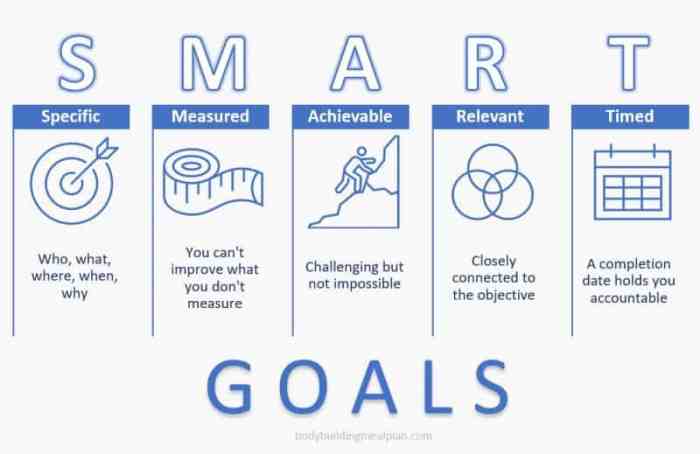
  • Setting SMART (Specific, Measurable, Achievable, Relevant, Time-bound) goals for flexibility improvement.
  • Creating a structured and varied stretching routine to target different muscle groups.
  • Using positive reinforcement and celebrating small wins to keep clients motivated.
  • Encouraging self-reflection and mindfulness practices to enhance flexibility and overall well-being.

Enhancing Overall Well-being with Health Coaching

Health coaching goes beyond just improving flexibility; it focuses on holistic well-being by addressing nutrition, stress management, sleep quality, and other lifestyle factors. By working with a health coach, individuals can experience improved physical health, mental clarity, and emotional balance, leading to a more fulfilling and vibrant life.

Medical Advancements

Medical advancements play a crucial role in improving flexibility and overall health. With the continuous progress in technology and medical research, innovative treatments and therapies are constantly being developed to enhance flexibility and mobility.

Recent Innovations in Flexibility Enhancement

  • One recent advancement is the use of regenerative medicine, such as stem cell therapy, to repair and regenerate damaged tissues in the joints, muscles, and ligaments, promoting flexibility.
  • Advanced imaging techniques, like MRI and ultrasound, allow for more accurate diagnosis of musculoskeletal issues, leading to targeted treatment plans for improving flexibility.
  • Robot-assisted rehabilitation devices are being utilized to provide precise and personalized exercises to enhance flexibility and range of motion in patients recovering from injuries or surgeries.

Future Developments in Flexibility Improvement

  • Researchers are exploring the potential of genetic therapies to address underlying factors that affect flexibility, paving the way for personalized treatments based on individual genetic profiles.
  • Virtual reality (VR) technology is being integrated into physical therapy programs to create immersive and interactive exercises that can improve flexibility and balance in a more engaging manner.
  • Artificial intelligence (AI) algorithms are being developed to analyze movement patterns and provide real-time feedback during exercises, optimizing flexibility training for better outcomes.

Balanced Nutrition: Fitness Goals For Improving Flexibility

When it comes to improving flexibility, balanced nutrition plays a crucial role in supporting your goals. Eating a variety of nutrients is essential for overall health and can directly impact your flexibility levels.

Importance of Balanced Nutrition for Flexibility Goals

Consuming a well-rounded diet rich in essential nutrients can help in reducing inflammation, improving muscle recovery, and enhancing joint mobility, all of which are vital for achieving better flexibility.

Specific Nutrients for Improved Flexibility

  • Omega-3 fatty acids: Found in fatty fish, flaxseeds, and walnuts, these healthy fats help reduce inflammation and promote joint health.
  • Vitamin C: Citrus fruits, bell peppers, and strawberries are rich in vitamin C, which aids in collagen production for healthy connective tissues.
  • Protein: Lean sources of protein like chicken, tofu, and legumes support muscle repair and growth, crucial for flexibility.

Sample Meal Plan for Flexibility and Health

Meal Food Items
Breakfast Greek yogurt with berries and almonds
Lunch Grilled salmon with quinoa and steamed broccoli
Snack Carrot sticks with hummus
Dinner Grilled chicken with sweet potato and spinach salad

Tips for Maintaining a Balanced Diet for Flexibility

  • Stay hydrated by drinking plenty of water throughout the day to support joint lubrication.
  • Aim to include colorful fruits and vegetables in your meals to get a variety of vitamins and minerals.
  • Avoid processed foods high in sugar and unhealthy fats, as they can contribute to inflammation and hinder flexibility.

Mental Strength

Achieving flexibility goals is not just about physical abilities; mental strength plays a crucial role in the process. The connection between mental resilience and flexibility progress is essential to understand in order to reach optimal results.

Building Mental Resilience

Building mental resilience during flexibility training involves various techniques that help individuals overcome challenges and push through discomfort. Some effective strategies include:

  • Practicing positive self-talk to boost confidence and motivation.
  • Setting realistic goals and celebrating small victories along the way.
  • Visualizing success and focusing on the benefits of increased flexibility.
  • Utilizing breathing exercises to stay calm and centered during challenging stretches.

Mindfulness Practices for Flexibility Improvement

Mindfulness practices can significantly aid in improving flexibility by enhancing body awareness and reducing stress. Some beneficial mindfulness techniques include:

  • Body scanning to identify areas of tension and release tightness.
  • Meditation to increase focus and concentration during stretching routines.
  • Yoga practice to combine breathwork with movement for improved flexibility and mental clarity.
  • Progressive muscle relaxation to promote deep relaxation and flexibility gains.

Mental Exercises for Enhanced Flexibility Progress

Incorporating mental exercises into your flexibility training routine can amplify your progress and help you break through plateaus. Some examples of mental exercises to enhance flexibility include:

  • Visualizing yourself performing challenging stretches with ease and grace.
  • Practicing mindfulness while stretching to stay present and focused on the sensations in your body.
  • Engaging in positive affirmations to build confidence and belief in your ability to improve flexibility.
  • Utilizing progressive goal-setting to track your flexibility gains and stay motivated throughout your journey.

Yoga Practice

Incorporating yoga into your fitness routine can greatly benefit flexibility. Yoga focuses on stretching, strengthening, and balance, all of which are essential for improving flexibility and mobility in the body. Consistent yoga practice can help increase range of motion, reduce muscle tension, and enhance overall flexibility.

Yoga Poses for Flexibility Improvement, Fitness goals for improving flexibility

  • Downward Facing Dog: This pose stretches the hamstrings, calves, and shoulders, helping to improve flexibility in the legs and spine.
  • Pigeon Pose: Pigeon pose targets the hips and glutes, releasing tension and increasing flexibility in these areas.
  • Forward Fold: Forward fold stretches the entire back of the body, including the spine, hamstrings, and calves, promoting flexibility in these areas.
  • Cobra Pose: Cobra pose opens up the chest and shoulders while also stretching the abdominals and hip flexors, improving flexibility in these muscle groups.

Yoga Routines for Flexibility Enhancement

  • Dynamic Yoga Flow: A dynamic flow sequence that incorporates various poses to increase flexibility and mobility throughout the body.
  • Yin Yoga: A slower-paced practice that involves holding poses for longer periods, allowing for deep stretching and enhanced flexibility.
  • Legs Up the Wall: This restorative pose helps to release tension in the legs and lower back, promoting flexibility and relaxation.
  • Sun Salutations: A series of poses that stretch and strengthen the entire body, improving overall flexibility and mobility.

Importance of Consistency in Yoga Practice

Consistency is key when it comes to gaining flexibility through yoga. Regular practice helps to gradually increase flexibility, prevent injuries, and maintain overall joint health. By committing to a consistent yoga routine, you can experience long-term improvements in flexibility and mobility throughout your body.

Health Education

When it comes to improving flexibility, health education plays a crucial role in helping individuals understand the importance of flexibility in overall health and wellness. By educating oneself about the body’s mechanics and the benefits of flexibility, individuals can make informed decisions to enhance their physical well-being.

Resources for Continuing Education

  • Online courses and workshops focused on flexibility training and stretching techniques.
  • Books and articles written by experts in the field of fitness and physical therapy.
  • Attending seminars or webinars conducted by health professionals specializing in flexibility improvement.

Tips for Incorporating Health Education

  • Start by researching and understanding the basics of flexibility and its impact on overall health.
  • Consult with a fitness trainer or physical therapist to create a personalized flexibility training plan.
  • Join online forums or communities dedicated to flexibility improvement to learn from others’ experiences and insights.
  • Stay updated on the latest research and trends in flexibility training to continuously improve your knowledge and practice.

Weight Management

Maintaining a healthy weight is crucial for improving flexibility and overall physical well-being. Excess weight can put strain on the joints and muscles, limiting range of motion and flexibility. In contrast, managing weight effectively can enhance flexibility, making it easier to perform daily tasks and exercise routines.

Impact of Weight Management on Flexibility

Weight management plays a significant role in flexibility enhancement. Excess weight can restrict movement and make it challenging to stretch and bend effectively. By maintaining a healthy weight, individuals can reduce the stress on their joints and muscles, allowing for improved flexibility and mobility.

  • Regular Exercise: Engaging in a combination of cardiovascular exercise, strength training, and flexibility exercises can help manage weight effectively while enhancing flexibility.
  • Balanced Diet: Eating a nutritious diet rich in fruits, vegetables, lean proteins, and whole grains can support weight management goals and improve flexibility.
  • Hydration: Staying hydrated is essential for overall health and can aid in weight management by promoting proper digestion and metabolism.

Strategies for Weight Management to Support Flexibility Goals

Implementing specific strategies for weight management can directly impact flexibility goals. By focusing on healthy habits and lifestyle choices, individuals can achieve a balance between weight management and flexibility training.

  1. Set Realistic Goals: Establish achievable weight management and flexibility goals to track progress and stay motivated.
  2. Monitor Progress: Keep a journal or use technology to monitor food intake, exercise routines, and flexibility improvements.
  3. Seek Professional Guidance: Consult with a fitness trainer, nutritionist, or healthcare provider for personalized advice and support in managing weight and enhancing flexibility.

Health Checkups

Fitness goals for improving flexibility
Regular health checkups play a crucial role in monitoring the progress of flexibility goals. These assessments help individuals track their overall health and identify any potential obstacles that may hinder flexibility improvement.

Importance of Health Checkups

Health checkups provide valuable insights into the body’s current state, including flexibility levels. These assessments can detect any underlying issues that may impact flexibility and overall well-being. By scheduling regular health checkups, individuals can stay proactive in addressing any health concerns that may arise.

  • Blood Tests: Regular blood tests can indicate inflammation levels, which can affect flexibility. Monitoring markers such as C-reactive protein (CRP) can show improvements in inflammation over time.
  • Range of Motion (ROM) Tests: Health professionals can perform ROM tests to assess flexibility in specific joints or muscle groups. Progress in ROM measurements can indicate improvements in flexibility.
  • Body Composition Analysis: Tracking changes in muscle mass and body fat percentage can give insight into how flexibility goals are impacting overall body composition.

Frequency of Health Checkups

For individuals with flexibility goals, it is recommended to schedule health checkups at least once a year. However, depending on individual health conditions or specific goals, more frequent assessments may be necessary. Consultation with a healthcare provider can help determine the appropriate frequency of health checkups.

Identifying Potential Obstacles

Health checkups can help identify potential obstacles to flexibility improvement, such as underlying medical conditions, muscle imbalances, or joint issues. By addressing these obstacles early on, individuals can make necessary adjustments to their fitness routines and achieve better results in their flexibility goals.

Skin Health

Skin health plays a crucial role in overall well-being, including flexibility enhancement. Maintaining healthy skin can complement flexibility training and contribute to achieving fitness goals effectively.

Connection Between Skin Health and Flexibility

Healthy skin is essential for flexibility as it allows for smooth movement without restrictions. Skin elasticity and hydration play a significant role in supporting joint mobility and muscle flexibility during workouts.

Skincare Routines and Flexibility Training

Implementing a proper skincare routine can enhance the benefits of flexibility training. Moisturizing the skin regularly can improve skin elasticity, reducing the risk of injuries and enhancing performance during flexibility exercises.

Tips for Healthy Skin and Flexibility Goals

  • Adequate hydration: Drink plenty of water to keep the skin hydrated and supple.
  • Protect from the sun: Use sunscreen to prevent skin damage and maintain skin health.
  • Regular cleansing: Cleanse the skin after workouts to remove sweat and bacteria that can cause skin issues.
  • Healthy diet: Consume foods rich in vitamins and antioxidants to promote skin health and flexibility.

Impact of Skin Health on Overall Well-being

Healthy skin not only enhances flexibility but also contributes to overall well-being. Skin health impacts confidence, mood, and self-esteem, making it an essential aspect of achieving holistic wellness goals.

Emotional Health

Emotional health plays a crucial role in the process of improving flexibility. It impacts our physical well-being and overall ability to perform various exercises. Managing stress and anxiety during flexibility training is essential to ensure progress and prevent injuries. Emotional well-being can positively influence flexibility by promoting relaxation, focus, and motivation. Mindfulness practices can support emotional health and enhance flexibility goals.

Influence of Emotional Health on Flexibility Improvement

Emotional health directly affects our physical body, including our muscles and joints. When we are stressed or anxious, our muscles tend to tense up, making it harder to achieve full range of motion and flexibility. By addressing emotional well-being, we can release tension in the body and improve flexibility over time.

  • Practicing deep breathing exercises can help calm the mind and relax the body, allowing for better flexibility during workouts.
  • Engaging in meditation before and after flexibility training sessions can promote mental clarity and reduce stress, leading to improved flexibility outcomes.
  • Seeking support from a therapist or counselor to address underlying emotional issues that may be hindering flexibility progress.

Techniques for Managing Stress and Anxiety During Flexibility Training

Stress and anxiety can impede flexibility gains, but there are techniques to help manage these emotions during training sessions.

  1. Implementing a regular stretching routine combined with mindfulness exercises can alleviate stress and promote relaxation.
  2. Listening to calming music or guided meditations while stretching can create a peaceful environment conducive to flexibility improvement.
  3. Practicing positive affirmations and visualizations to shift focus from negative thoughts to a more optimistic mindset during flexibility training.

Emotional Well-Being and Flexibility Progress

Emotional well-being is closely linked to flexibility progress, as a positive mindset can enhance performance and results.

By cultivating a sense of inner peace and emotional balance, individuals are more likely to experience increased flexibility and mobility.

Mindfulness Practices for Emotional Health and Flexibility Goals

Mindfulness practices can support emotional health and contribute to achieving flexibility goals effectively.

  1. Yoga, with its focus on breath control and mind-body connection, can improve emotional well-being and flexibility simultaneously.
  2. Body scan meditations can help individuals release tension in specific muscle groups, promoting relaxation and flexibility.
  3. Mindful walking or movement practices can enhance body awareness and emotional regulation, aiding in better flexibility outcomes.

Health Motivation

Staying motivated is crucial when working towards improving flexibility. It helps individuals stay focused, consistent, and determined to reach their goals. Without motivation, it can be easy to lose interest or become discouraged along the way.

Strategies for Maintaining Motivation

  • Set specific and achievable goals: Breaking down flexibility goals into smaller, more manageable tasks can help maintain motivation as progress is visible.
  • Reward yourself: Celebrate small wins and milestones achieved on your flexibility journey to stay motivated and encouraged.
  • Find a support system: Surround yourself with like-minded individuals who can provide encouragement, support, and accountability.
  • Switch up your routine: Keep things interesting by trying different flexibility exercises and techniques to prevent boredom and stay motivated.

Success Stories of Individuals

  • One individual, after consistently practicing yoga for flexibility, was able to touch their toes for the first time in years, motivating them to continue their practice.
  • Another person, through regular stretching and dedication, improved their flexibility to the point where they could perform advanced yoga poses they never thought possible.

Tips for Overcoming Motivational Barriers

  • Acknowledge setbacks as part of the journey and learn from them rather than letting them deter you from your goals.
  • Create a flexible routine that allows for rest days and adjustments to prevent burnout and loss of motivation.
  • Visualize your end goal and the benefits of improved flexibility to stay motivated and focused on the bigger picture.

Physical Activities

When it comes to improving flexibility, incorporating a variety of physical activities into your routine can be highly beneficial. Not only does cross-training help prevent plateaus in flexibility progress, but it also enhances overall flexibility by targeting different muscle groups and movement patterns.

Complementary Exercises for Flexibility

  • Yoga: Practicing yoga poses can help increase flexibility and range of motion in various parts of the body.
  • Pilates: Pilates focuses on strengthening the core muscles while also improving flexibility and alignment.
  • Dance: Ballet, contemporary dance, or other forms of dance can enhance flexibility through fluid movements and stretches.

Importance of Cross-Training

Cross-training involves engaging in different types of physical activities to improve overall fitness and prevent overuse injuries. By incorporating diverse exercises that target flexibility, strength, and cardiovascular endurance, you can achieve a well-rounded fitness routine that supports your flexibility goals.

Diverse Physical Activities to Prevent Plateaus

  • Swimming: Water-based activities like swimming or water aerobics provide a low-impact way to improve flexibility and strengthen muscles.
  • Cycling: Riding a bike or using a stationary bike can help increase lower body flexibility and improve joint mobility.
  • Resistance Training: Using resistance bands or weights can complement flexibility training by building strength and stability in the muscles.

Health Awareness

Health awareness plays a crucial role in setting and achieving flexibility goals. By being mindful of one’s health, individuals can enhance their flexibility outcomes and overall well-being. Here are some resources and tips for increasing health awareness specifically related to flexibility improvement:

Resources for Increasing Health Awareness

  • Attend workshops or seminars on flexibility training and health education.
  • Follow reputable fitness experts and health professionals on social media for tips and advice.
  • Read books or articles on the benefits of flexibility for overall health.
  • Join online forums or communities dedicated to flexibility and wellness.

Tips for Cultivating a Health-Conscious Mindset for Flexibility Training

  • Practice mindfulness techniques such as meditation and deep breathing to stay present during flexibility exercises.
  • Set specific health goals related to flexibility and track your progress regularly.
  • Listen to your body and adjust your flexibility training based on how you feel each day.
  • Prioritize sleep, hydration, and nutrition to support your flexibility and overall health.

Preventive Medicine

Maintaining flexibility and overall health can be greatly supported by preventive medicine. By taking proactive measures, individuals can prevent injuries and promote longevity in flexibility.

Preventive Measures for Flexibility-Related Injuries

  • Engage in regular stretching exercises to improve flexibility and reduce the risk of muscle strains.
  • Stay hydrated to support joint lubrication and overall muscle function.
  • Warm-up before physical activities to prepare the muscles and joints for movement.
  • Practice proper form and technique during exercises to avoid unnecessary strain on the body.

Importance of Proactive Healthcare for Flexibility Goals

Preventive medicine plays a crucial role in supporting flexibility goals by focusing on early detection and intervention. Regular check-ups, screenings, and consultations with healthcare professionals can help individuals address any potential issues before they escalate.

Examples of Preventive Medicine Practices for Flexibility Longevity

  • Regular visits to a physical therapist or chiropractor to address any musculoskeletal imbalances.
  • Incorporating strength training exercises to support joint stability and flexibility.
  • Following a balanced diet rich in nutrients that promote muscle and joint health.
  • Utilizing tools such as foam rollers and massage balls for self-myofascial release to prevent muscle tightness and improve flexibility.

Nutritional Counseling

Nutritional counseling plays a crucial role in achieving flexibility goals by providing personalized dietary plans that support muscle recovery, reduce inflammation, and enhance overall physical performance.

Benefits of Nutritional Counseling for Flexibility Goals

  • Customized Meal Plans: A nutritionist can tailor a meal plan to include foods rich in nutrients that promote flexibility, such as Omega-3 fatty acids and antioxidants.
  • Improved Energy Levels: Proper nutrition can increase energy levels, allowing individuals to engage in stretching exercises and yoga sessions more effectively.
  • Optimal Hydration: Staying hydrated is essential for maintaining joint health and flexibility, and a nutritionist can recommend the right amount of water intake.

Success Stories of Nutritional Counseling for Flexibility Improvement

  • John, a former athlete, struggled with tight muscles and limited range of motion. After consulting with a nutritionist and following a specialized diet, he noticed significant improvements in his flexibility within a few weeks.
  • Sarah, a yoga enthusiast, incorporated nutrient-dense foods recommended by her nutritionist into her diet. As a result, she experienced less muscle soreness and increased flexibility during her practice.

Tips for Finding a Reputable Nutritionist for Flexibility Nutrition

  • Look for Credentials: Choose a nutritionist with relevant certifications and experience in working with clients to improve flexibility through diet.
  • Seek Recommendations: Ask for referrals from friends, fitness trainers, or healthcare professionals who have experience with reputable nutritionists.
  • Consultation: Schedule an initial consultation with the nutritionist to discuss your flexibility goals and assess their approach to creating a personalized nutrition plan.

Healthy Mind

Having a healthy mind is crucial when it comes to achieving flexibility goals. A positive mindset and mental well-being play a significant role in physical flexibility. When your mind is calm and focused, your body is more receptive to stretching and movement, leading to improved flexibility. Here are some mindfulness exercises and tips to promote a healthy mind for flexibility training:

Mindfulness Exercises for a Healthy Mind

  • Practice deep breathing: Take deep breaths in and out, focusing on the sensation of air entering and leaving your body. This can help calm your mind and reduce stress, making it easier to engage in flexibility exercises.
  • Body scan meditation: Start from your toes and work your way up, paying attention to each body part and releasing any tension you may be holding. This can help you become more aware of your body and its movements during flexibility training.
  • Guided visualization: Imagine yourself moving easily and fluidly through various stretches and poses. Visualization can help improve your mental connection to your body, enhancing flexibility and range of motion.

Tips for Fostering a Positive Mindset

  • Affirmations: Repeat positive affirmations to yourself before and during your flexibility training. Encouraging statements like “I am strong and flexible” can help boost your confidence and motivation.
  • Set realistic goals: Break down your flexibility goals into smaller, achievable milestones. Celebrate each progress you make, no matter how small, to stay motivated and positive throughout your journey.
  • Practice gratitude: Take a moment to appreciate your body and the progress you’ve made in your flexibility training. Gratitude can shift your focus from limitations to possibilities, fostering a positive mindset.

FAQ

How important is it to set specific flexibility goals?

Setting specific flexibility goals is crucial as they provide direction, motivation, and a clear roadmap towards improvement.

What are some effective flexibility goals for beginners?

Beginners can start with simple goals like touching their toes, holding a plank for a certain duration, or increasing flexibility in key muscle groups.

How can one track progress towards flexibility goals?

Progress can be tracked by measuring improvements in range of motion, flexibility tests, or the ability to perform advanced flexibility exercises.

Why is it important to adjust goals as flexibility improves?

Adjusting goals ensures continued challenge and growth, preventing plateaus and encouraging sustained progress in flexibility.

Health coaching for emotional well-being: A Holistic Approach to Wellness

Health coaching for emotional well-being

Healthy Snacks

When it comes to emotional well-being, incorporating nutritious snacks into your diet can play a crucial role in maintaining a balanced and healthy lifestyle. These snacks not only provide essential nutrients but also help in stabilizing mood and reducing stress levels. Here are five nutritious snack options that promote emotional well-being:

1. Mixed Nuts

  • Rich in healthy fats, protein, and fiber
  • Helps in boosting brain health and improving mood
  • Almonds, walnuts, pistachios, and cashews are great options

2. Greek Yogurt with Berries

  • High in protein and probiotics
  • Berries are packed with antioxidants and vitamins
  • Supports gut health and aids in reducing anxiety

3. Avocado Toast

  • Avocados are loaded with healthy fats and fiber
  • Helps in regulating stress hormones
  • Top whole grain toast with mashed avocado, a sprinkle of sea salt, and red pepper flakes

4. Dark Chocolate with Almonds

  • Dark chocolate is rich in antioxidants and can improve mood
  • Almonds add a crunchy texture and are a good source of magnesium
  • Opt for dark chocolate with at least 70% cocoa content

5. Hummus with Veggie Sticks

  • Hummus provides protein and fiber
  • Veggie sticks like carrots, cucumbers, and bell peppers are rich in vitamins
  • This snack combination is satisfying and helps in maintaining stable blood sugar levels

Wellness Programs

Health coaching for emotional well-being

Health coaching for emotional well-being – Wellness programs focused on emotional well-being play a crucial role in supporting individuals’ mental health. These programs are designed to provide resources, tools, and support to help individuals manage stress, improve coping mechanisms, and enhance overall emotional wellness.

Key Components of a Successful Wellness Program

  • Access to mental health resources such as counseling services and support groups
  • Education and awareness campaigns to reduce stigma around mental health issues
  • Wellness activities such as mindfulness meditation, yoga, and relaxation techniques
  • Regular mental health assessments and screenings
  • Integration of mental health support into overall health and wellness initiatives

Different Approaches to Wellness Programs for Mental Health Support

  • Employee Assistance Programs (EAPs) offered by companies to provide confidential counseling and support for employees
  • Mindfulness-based stress reduction programs that focus on building resilience and coping skills
  • Peer support programs where individuals can connect with others who have similar experiences
  • Technology-based mental health apps and platforms for convenient access to resources

Examples of Effective Wellness Programs for Emotional Well-being

  • Google’s “Search Inside Yourself” program which combines mindfulness, emotional intelligence, and neuroscience to enhance emotional well-being
  • Target’s mental health initiatives that include mental health days off, counseling services, and mental health training for managers
  • Johnson & Johnson’s Healthy Mind, Healthy Body program that focuses on promoting mental health through education, resources, and support

Physical Therapy

Physical therapy plays a crucial role in promoting emotional well-being by helping individuals improve their physical health, which in turn has a positive impact on mental health. Through a combination of exercises, techniques, and personalized treatment plans, physical therapy can contribute significantly to reducing stress, anxiety, and improving overall emotional wellness.

Benefits of Physical Therapy for Emotional Well-Being

  • Improves mood: Physical activity releases endorphins, which are known as “feel-good” hormones that can help alleviate symptoms of depression and anxiety.
  • Reduces stress: Engaging in physical therapy exercises can help individuals relax, reduce tension, and manage stress more effectively.
  • Enhances self-esteem: Achieving physical milestones and progress in therapy can boost self-confidence and self-image, leading to improved emotional well-being.

Specific Exercises and Techniques in Physical Therapy

  • Cardiovascular exercises: Activities like walking, cycling, or swimming can help improve cardiovascular health and boost mood by increasing blood flow and oxygen to the brain.
  • Strength training: Building muscle strength can enhance overall physical function, increase energy levels, and improve mental clarity.
  • Stretching and flexibility exercises: These can help reduce muscle tension, improve posture, and promote relaxation, contributing to stress and anxiety management.

Role of Physical Therapy in Managing Stress and Anxiety

  • Relaxation techniques: Physical therapists may teach relaxation exercises such as deep breathing, meditation, or progressive muscle relaxation to help individuals cope with stress and anxiety.
  • Posture correction: Improving posture through physical therapy can reduce muscle tension, alleviate discomfort, and promote a sense of well-being.
  • Physical activity guidance: Physical therapists can provide guidance on incorporating regular exercise into daily routines to help manage stress, anxiety, and improve overall emotional health.

Health Coaching

Health coaching in the context of emotional well-being involves working with a trained professional to improve mental and emotional health through personalized guidance, support, and accountability.

Benefits of Working with a Health Coach

  • One-on-one support: A health coach provides personalized attention and tailored strategies to address individual emotional health needs.
  • Accountability: Working with a health coach helps in setting goals, tracking progress, and staying motivated to make positive changes.
  • Behavioral changes: Health coaches can help in identifying and modifying unhealthy emotional patterns and behaviors to promote well-being.
  • Empowerment: Through coaching sessions, individuals can gain the tools and confidence to manage stress, anxiety, and other emotional challenges effectively.

Tips for Finding a Qualified Health Coach

  • Look for credentials: Ensure the health coach has relevant certifications and training in emotional well-being coaching.
  • Experience: Choose a coach with experience in dealing with emotional health issues and a track record of successful outcomes.
  • Compatibility: Find a coach with whom you feel comfortable sharing personal information and discussing your emotional concerns openly.
  • Referrals: Seek recommendations from trusted sources or healthcare professionals to find a reputable health coach specializing in emotional well-being.

Medical Advancements

In recent years, there have been significant advancements in the field of emotional well-being, particularly in the way mental health issues are diagnosed and treated. Technology has played a crucial role in revolutionizing the approach to emotional health, offering innovative solutions and therapies that have shown promising results in improving overall well-being.

Telemedicine and Teletherapy

Telemedicine and teletherapy have become increasingly popular methods of delivering mental health services, especially in light of the COVID-19 pandemic. Through video calls and online platforms, individuals can now access therapy sessions and consultations from the comfort of their own homes, making mental health care more accessible and convenient.

Virtual Reality Therapy

Virtual reality therapy is another groundbreaking advancement that has shown great potential in treating various mental health conditions, such as anxiety disorders and PTSD. By immersing individuals in virtual environments, therapists can create controlled scenarios to help patients confront and manage their fears in a safe and controlled setting.

Genetic Testing for Personalized Treatment

Advancements in genetic testing have also paved the way for personalized treatment plans based on an individual’s genetic makeup. By analyzing genetic markers, healthcare providers can tailor medications and therapies to better suit the unique needs of each patient, leading to more effective outcomes in managing emotional health conditions.

Fitness Goals

Regular physical activity and exercise play a crucial role in maintaining not only our physical health but also our emotional well-being. The relationship between physical fitness and emotional well-being is interconnected, as staying active can help reduce stress, anxiety, and depression while improving overall mood and self-esteem.

Setting and Achieving Fitness Goals

Setting realistic fitness goals is essential for improving mental health along with physical well-being. Here are some strategies to help achieve fitness goals that positively impact mental health:

  • Start small and gradually increase intensity to avoid burnout and maintain motivation.
  • Focus on consistency rather than perfection, aiming for progress over time.
  • Find activities that you enjoy and make them a part of your routine to stay motivated.
  • Track your progress and celebrate small victories to stay encouraged along the way.
  • Seek support from a fitness coach or workout buddy to stay accountable and motivated.

Psychological Benefits of Regular Exercise

Regular exercise has numerous psychological benefits on emotional well-being, including:

  • Release of endorphins, also known as ‘feel-good’ hormones, which can help reduce feelings of stress and anxiety.
  • Improvement in sleep quality, leading to better mental clarity and emotional regulation.
  • Boost in self-confidence and self-esteem through achieving fitness goals and physical milestones.
  • Opportunity for social interaction and connection through group fitness classes or team sports, promoting a sense of community and support.
  • Reduction in symptoms of depression and other mental health conditions through the positive effects of physical activity on brain function and mood regulation.

Balanced Nutrition

Maintaining a balanced nutrition is crucial for supporting emotional well-being. The food we eat plays a significant role in influencing our mood, energy levels, and overall mental health.

Key Nutrients for Mental Health

  • Omega-3 fatty acids: Essential for brain health and reducing inflammation, found in fatty fish like salmon, walnuts, and flaxseeds.
  • Vitamin D: Linked to mood regulation, found in sunlight, fortified foods, and supplements.
  • B vitamins: Including B6, B12, and folate, important for neurotransmitter function and energy production, found in whole grains, leafy greens, and lean meats.
  • Magnesium: Helps reduce anxiety and improve sleep, found in nuts, seeds, and dark leafy greens.
  • Antioxidants: Such as vitamin C and E, protect the brain from oxidative stress, found in fruits, vegetables, and nuts.

Tips for Creating a Well-rounded Diet

  • Include a variety of colorful fruits and vegetables to ensure you get a wide range of vitamins and minerals.
  • Incorporate whole grains like quinoa, brown rice, and oats for sustained energy levels.
  • Choose lean protein sources such as poultry, fish, tofu, and legumes to support neurotransmitter function.
  • Avoid excessive sugar and processed foods, which can lead to mood swings and energy crashes.
  • Stay hydrated by drinking plenty of water throughout the day to support cognitive function and overall well-being.

Mental Strength

Mental strength plays a crucial role in emotional well-being, as it helps individuals navigate through challenging situations and bounce back from adversity. Developing resilience and coping mechanisms is essential for maintaining mental strength and overall mental health.

Developing Resilience

  • Practice gratitude daily to focus on the positive aspects of life.
  • Engage in regular physical exercise to boost endorphins and reduce stress.
  • Seek support from friends, family, or a therapist to process emotions effectively.
  • Practice mindfulness and meditation to stay present and reduce anxiety.

Real-Life Examples

“In the face of a major setback, Sarah remained resilient and focused on finding solutions rather than dwelling on the problem. This positive mindset helped her overcome the challenge and emerge stronger.”

“Despite facing criticism and rejection, John maintained his mental strength by staying true to his values and beliefs. This unwavering resolve enabled him to persevere and achieve his goals.”

Yoga Practice

Yoga practice is not only beneficial for physical health but also plays a crucial role in improving emotional well-being. The combination of movement, breath work, and mindfulness in yoga helps reduce stress, anxiety, and depression while promoting a sense of calm and mental clarity.

Yoga Poses for Emotional Health

  • Child’s Pose (Balasana): This gentle pose helps release tension in the back, shoulders, and chest, promoting relaxation and a sense of security.
  • Downward-Facing Dog (Adho Mukha Svanasana): This pose helps increase blood flow to the brain, relieving stress and calming the mind.
  • Warrior II (Virabhadrasana II): This pose builds strength and stability while promoting focus and determination, essential for emotional balance.

Mindfulness and Relaxation in Yoga

Yoga emphasizes being present in the moment, paying attention to the breath, sensations, and emotions without judgment. Practices like meditation and deep breathing exercises help cultivate mindfulness, reducing rumination and promoting emotional balance. The relaxation techniques in yoga, such as Savasana (Corpse Pose), help release physical and mental tension, promoting a sense of peace and well-being.

Health Education

Health education plays a crucial role in raising awareness about emotional well-being. By providing individuals with the necessary knowledge and tools, they can better understand the importance of mental health and take proactive steps to improve their overall well-being.

Significance of Health Education for Emotional Well-being

  • Health education helps individuals recognize the signs and symptoms of mental health issues, reducing stigma and encouraging early intervention.
  • It equips people with coping strategies and stress management techniques to navigate life’s challenges effectively.
  • By promoting self-care practices and healthy habits, health education empowers individuals to prioritize their mental health and well-being.

Resources for Educating Individuals on Mental Health

  • Online platforms and websites offering reliable information and resources on mental health awareness and support services.
  • Mental health organizations and helplines providing guidance, counseling, and mental health resources to those in need.
  • Workshops, seminars, and training programs focused on mental health education and well-being practices.

Examples of Effective Health Education Initiatives

  • Peer-led support groups and community outreach programs promoting mental health awareness and destigmatization.
  • School-based mental health education programs integrating emotional well-being topics into the curriculum for students.
  • Corporate wellness initiatives offering mental health workshops, counseling services, and stress management programs for employees.

Weight Management

Maintaining a healthy weight is not just about physical appearance; it also plays a significant role in our emotional well-being. The connection between weight management and emotional wellness is crucial, as our body image can impact our mental health and self-esteem.

Impact of Body Image on Mental Health and Self-esteem

Body image issues can lead to a negative impact on mental health and self-esteem. Struggling with weight management and feeling dissatisfied with our bodies can contribute to feelings of low self-worth, anxiety, and even depression. It is essential to address these issues and work towards a positive body image to improve emotional well-being.

Some tips for maintaining a healthy weight in a way that supports emotional wellness include:

  • Focus on balanced nutrition: Eating a variety of nutrient-dense foods can help you maintain a healthy weight and support your emotional well-being.
  • Regular physical activity: Engaging in regular exercise not only helps with weight management but also boosts your mood and reduces stress.
  • Practice mindfulness: Being mindful of your eating habits and emotions can help prevent emotional eating and promote a healthy relationship with food.
  • Seek support: Surround yourself with a supportive network of friends, family, or a health coach who can encourage and guide you on your weight management journey.
  • Celebrate non-scale victories: Instead of solely focusing on the number on the scale, celebrate other achievements like improved energy levels, better sleep, or increased strength.

Health Checkups

Regular health checkups are essential for monitoring emotional well-being as they allow healthcare providers to assess your overall health and identify any underlying issues that may be affecting your mental well-being. These checkups provide an opportunity to discuss any concerns or changes in your emotional health, allowing for early intervention and support.

The Role of Healthcare Providers

Healthcare providers play a crucial role in addressing mental health concerns during checkup appointments by actively listening to patients, asking appropriate questions, and conducting mental health screenings. They can offer guidance, support, and referrals to mental health professionals if needed, ensuring that patients receive the necessary care and treatment.

Recommendations for Mental Health Screenings

  • Include mental health screenings as a routine part of your checkup appointments to identify any signs of anxiety, depression, or other mental health conditions.
  • Be open and honest with your healthcare provider about your emotional well-being, sharing any concerns or changes you may have noticed.
  • Ask your healthcare provider about specific mental health screening tools or questionnaires that can help assess your emotional health more accurately.
  • Follow up on any recommendations or referrals provided by your healthcare provider for further evaluation or treatment of mental health concerns.

Skin Health

Skin health is closely linked to emotional well-being as our skin is often a reflection of our internal state. Stress, anxiety, and other emotional factors can impact the health of our skin, leading to various skin conditions or issues.

Relationship Between Skin Health and Emotional Well-being

Our skin acts as a barrier between our internal and external environment, and its health can be influenced by our emotional state. High levels of stress can trigger inflammation in the body, leading to skin issues such as acne, eczema, or psoriasis. Additionally, poor emotional health can impact our skin’s ability to heal and regenerate, making it more prone to damage and premature aging.

Skin Conditions Impact on Mental Health

Struggling with skin conditions can have a significant impact on one’s mental health. Dealing with visible skin issues can lead to feelings of self-consciousness, low self-esteem, and even social anxiety. This can create a cycle where stress from skin concerns worsens the skin condition, leading to further emotional distress.

Skincare Tips for Promoting Skin Health and Emotional Wellness

– Practice good hygiene by cleansing your skin daily to remove dirt, oil, and impurities.
– Moisturize regularly to maintain skin hydration and prevent dryness.
– Protect your skin from sun damage by using sunscreen daily.
– Eat a balanced diet rich in fruits, vegetables, and healthy fats to nourish your skin from the inside out.
– Stay hydrated by drinking plenty of water to support skin elasticity and function.
– Practice stress-reducing activities like yoga, meditation, or deep breathing exercises to improve emotional well-being and skin health.

Emotional Health

Emotional health refers to the ability to understand and manage your emotions in a positive way. It is a crucial aspect of overall well-being as it impacts how we think, feel, and act in our daily lives. Maintaining good emotional health can help us cope with stress, build healthy relationships, and navigate life’s challenges more effectively.

Common Challenges in Emotional Health

  • Stress: High levels of stress can take a toll on our emotional well-being, leading to anxiety, depression, and other mental health issues.
  • Relationship Issues: Difficulties in relationships with family, friends, or partners can impact our emotional health negatively.
  • Trauma: Past traumatic experiences can have long-lasting effects on our emotional well-being if not addressed properly.
  • Self-esteem Issues: Low self-esteem and self-confidence can contribute to emotional struggles and negative self-talk.

Strategies for Improving Emotional Well-being

  • Practice Mindfulness: Engage in activities that help you stay present and focused, such as meditation or deep breathing exercises.
  • Seek Support: Talk to a therapist, counselor, or trusted friend to express your emotions and receive guidance and support.
  • Stay Active: Regular physical activity can help improve mood and reduce feelings of anxiety and stress.
  • Express Gratitude: Keep a daily gratitude journal to focus on the positive aspects of your life and cultivate a sense of appreciation.
  • Set Boundaries: Learn to say no to activities or people that drain your energy and prioritize self-care.

Health Motivation

Maintaining good emotional health requires consistent motivation to prioritize mental well-being. Without motivation, it can be challenging to stay on track with self-care practices that promote emotional wellness.

Role of Motivation in Emotional Health

  • Motivation plays a crucial role in maintaining good emotional health by providing the drive to engage in activities that promote well-being.
  • When individuals are motivated to prioritize their mental health, they are more likely to adopt healthy habits and coping strategies.
  • Motivation helps individuals stay focused on their goals and overcome obstacles that may hinder their emotional well-being.

Strategies for Staying Motivated

  • Set realistic and achievable goals related to emotional well-being to maintain motivation.
  • Surround yourself with a supportive network of friends and family who encourage and motivate you to prioritize mental health.
  • Practice self-care activities that bring you joy and rejuvenate your mind, such as meditation, journaling, or engaging in hobbies.

Inspirational Stories of Motivation

  • One example is Jane, who struggled with anxiety but found motivation to seek therapy and practice mindfulness, leading to significant improvements in her emotional health.
  • Another example is Alex, who overcame depression by staying motivated to attend support group meetings and engage in physical activities that boosted his mood.
  • These stories highlight the power of motivation in transforming emotional well-being and inspire others to prioritize their mental health.

Physical Activities: Health Coaching For Emotional Well-being

Regular physical activities play a crucial role in improving emotional well-being. Engaging in physical exercises can help reduce stress levels, boost mood, increase energy levels, and promote overall mental health.

Benefits of Physical Activities for Emotional Well-being

  • Release of endorphins: Exercise triggers the release of endorphins, also known as “feel-good” hormones, which can help reduce feelings of anxiety and depression.
  • Stress reduction: Physical activities can act as a stress reliever by providing an outlet for pent-up emotions and tension.
  • Improved sleep: Regular exercise can help regulate sleep patterns, leading to better quality sleep and improved emotional well-being.
  • Enhanced self-esteem: Achieving fitness goals and staying active can boost self-confidence and self-esteem.

Types of Physical Activities for Emotional Well-being

  • Aerobic exercises: Activities like running, swimming, or cycling can help improve cardiovascular health and elevate mood.
  • Yoga and Tai Chi: These mind-body practices combine physical movement with mindfulness, promoting relaxation and stress reduction.
  • Strength training: Lifting weights or resistance training can increase muscle strength and endurance, leading to a sense of accomplishment and empowerment.
  • Dance or group fitness classes: Joining social physical activities can provide a sense of community and support, enhancing emotional well-being.

Tips for Incorporating Physical Activities into Routine

  • Schedule workouts: Set aside dedicated time for exercise in your daily schedule to ensure consistency.
  • Find activities you enjoy: Choose activities that you find fun and engaging to increase motivation and adherence.
  • Start small: Begin with manageable goals and gradually increase intensity and duration to prevent burnout.
  • Mix it up: Incorporate a variety of activities to prevent boredom and target different muscle groups for a well-rounded fitness routine.

Health Awareness

Raising awareness about mental health and emotional well-being is crucial in promoting overall wellness. By increasing understanding and reducing stigma surrounding these topics, individuals are more likely to seek help and support when needed.

When it comes to promoting health awareness in communities or workplaces, education plays a key role. Providing information about the importance of mental health, self-care practices, and resources available for support can help individuals prioritize their emotional well-being.

Successful Health Awareness Campaigns for Emotional Wellness

  • One successful campaign focused on emotional wellness is the “It’s Okay to Not Be Okay” initiative, which aimed to destigmatize mental health struggles and encourage open conversations about emotions.
  • The “Mind Matters” campaign utilized social media platforms to share personal stories of overcoming emotional challenges, providing hope and inspiration to those facing similar struggles.
  • Another effective approach is hosting workshops and events in communities to educate individuals about the importance of self-care practices and seeking help when needed.

Preventive Medicine

Preventive medicine is a crucial aspect of maintaining good emotional health. By taking proactive steps to prevent illnesses and conditions before they arise, individuals can significantly reduce the risk of developing mental health issues.

Importance of Early Intervention

  • Early intervention is key in addressing mental health conditions before they escalate and become more challenging to treat.
  • Preventive measures such as therapy, counseling, and stress management techniques can help individuals build resilience and cope with emotional challenges effectively.
  • Identifying potential risk factors and addressing them early on can prevent the onset of more severe mental health issues.

Incorporating Preventive Medicine Practices

  • Regular exercise can help reduce stress and anxiety, promoting better emotional well-being.
  • Practicing mindfulness and meditation can enhance self-awareness and emotional regulation, preventing mental health issues.
  • Maintaining a balanced diet rich in nutrients supports brain health and can help prevent mood disorders.
  • Seeking regular mental health check-ups and therapy sessions can aid in early detection and intervention for emotional concerns.

Nutritional Counseling

Nutritional counseling is a personalized approach to improving overall health by focusing on dietary choices and habits. It involves working with a nutritionist or dietitian to create a tailored plan that meets individual needs and goals, including emotional well-being.

Role of Nutritionist or Dietitian

Nutritionists and dietitians play a crucial role in supporting mental health through dietary guidance. They assess nutritional needs, food preferences, and lifestyle factors to develop a plan that promotes emotional wellness. By addressing deficiencies, promoting balanced nutrition, and recommending specific foods that support brain health, they can positively impact mental well-being.

  • Provide personalized meal plans to support mood stability and reduce symptoms of anxiety and depression.
  • Offer education on the connection between gut health and mental health, emphasizing the importance of a healthy digestive system.
  • Recommend nutrient-rich foods that boost serotonin levels and support cognitive function, such as omega-3 fatty acids found in fish.

Benefits of Nutritional Counseling, Health coaching for emotional well-being

Seeking nutritional counseling can have numerous benefits for improving emotional wellness and overall health.

  1. Increased energy levels and improved focus, leading to better stress management and mental clarity.
  2. Enhanced mood and emotional balance through the consumption of foods that support neurotransmitter function.
  3. Weight management and body confidence, reducing the risk of emotional eating and negative self-image.
  4. Prevention and management of chronic conditions that can impact mental health, such as diabetes and heart disease.

Healthy Mind

Having a healthy mind is crucial for emotional well-being as it directly impacts our mental health. A healthy mind involves having a positive outlook, effective coping strategies, and the ability to manage stress and emotions in a constructive way. It also includes being aware of our thoughts and feelings, practicing self-care, and nurturing a sense of inner peace and balance.

Strategies for Nurturing a Healthy Mind

  • Practice mindfulness: Engage in activities that promote present-moment awareness, such as meditation, deep breathing, or yoga. Mindfulness helps reduce stress and increase mental clarity.
  • Cultivate positive thinking: Challenge negative thoughts and replace them with positive affirmations. Surround yourself with supportive and uplifting people who encourage a healthy mindset.
  • Stay physically active: Regular exercise releases endorphins, which are chemicals that boost mood and overall mental well-being. Aim for at least 30 minutes of physical activity each day.
  • Spend time in nature: Connecting with the outdoors can have a calming effect on the mind and reduce feelings of anxiety and depression. Take walks in the park, go hiking, or simply sit outside and soak up the natural surroundings.

Clarifying Questions

How can health coaching benefit emotional well-being?

Health coaching provides personalized support, guidance, and accountability to help individuals navigate their emotional health challenges effectively.

What are the key components of a successful wellness program?

A successful wellness program includes tailored strategies for mental health support, engaging activities, and a supportive community environment.

How does physical therapy contribute to emotional well-being?

Physical therapy helps improve mental health through targeted exercises, stress management techniques, and promoting overall physical wellness.

How to Prepare for a Physical Therapy Session: Tips for Success

How to prepare for a physical therapy session

Healthy Snacks

How to prepare for a physical therapy session – Before heading to your physical therapy session, it’s important to fuel your body with nutritious snacks that can boost your energy levels and support your physical activity.

Nutritious Snacks for Energy Boost

Here are some examples of healthy snacks that are easy to prepare and convenient for on-the-go sessions:

  • Trail mix with nuts, seeds, and dried fruits
  • Greek yogurt with honey and granola
  • Apple slices with almond butter
  • Vegetable sticks with hummus

Wellness Programs

Wellness programs play a crucial role in complementing physical therapy sessions by focusing on overall health and well-being. These programs aim to enhance the outcomes of physical therapy by incorporating activities that promote healthy habits and lifestyle changes.

Benefits of Integrating Wellness Programs

  • Improving Strength and Flexibility: Wellness programs often include exercises that help improve strength and flexibility, which can support the goals of physical therapy.
  • Promoting Stress Reduction: Many wellness programs incorporate stress-reducing activities such as yoga or meditation, which can be beneficial for individuals undergoing physical therapy.
  • Encouraging Healthy Eating Habits: Nutrition education and guidance provided in wellness programs can complement the physical therapy sessions by supporting overall health and recovery.

Popular Wellness Programs

  • Yoga and Pilates Classes: These classes focus on improving flexibility, balance, and core strength, which can be beneficial for individuals recovering from injuries or undergoing physical therapy.
  • Mindfulness and Meditation Workshops: These programs help individuals manage stress, anxiety, and pain, which can enhance the outcomes of physical therapy sessions.
  • Nutrition Counseling: Wellness programs that offer nutrition counseling can help individuals make healthier food choices to support their recovery and overall well-being.

Physical Therapy

How to prepare for a physical therapy session
Physical therapy is a type of treatment aimed at helping individuals improve their physical function and mobility. It is often used to manage pain, recover from injuries, prevent disabilities, and enhance overall quality of life.

Preparation before a physical therapy session is crucial to optimize its effectiveness. This includes wearing comfortable clothing, bringing any necessary medical documents or reports, and being mentally prepared to actively participate in the session.

What to Expect During a Physical Therapy Session

  • Assessment: The physical therapist will conduct an initial assessment to evaluate your current physical condition, range of motion, strength, and any areas of pain or discomfort.
  • Treatment Plan: Based on the assessment, a personalized treatment plan will be created to address your specific needs and goals.
  • Exercises: You will be guided through various exercises and movements to help improve flexibility, strength, balance, and coordination.
  • Manual Therapy: The therapist may use hands-on techniques such as massage or manipulation to help alleviate pain and improve mobility.
  • Educational Guidance: You will receive guidance on how to perform exercises correctly, manage pain, prevent future injuries, and maintain progress outside of the sessions.

Health Coaching

Health coaching plays a vital role in supporting individuals during their physical therapy journey by providing personalized guidance, motivation, and accountability. It focuses on empowering individuals to make positive lifestyle changes and achieve their wellness goals.

Setting and Achieving Fitness Goals

  • Health coaching helps individuals in physical therapy set realistic and achievable fitness goals by assessing their current health status, identifying obstacles, and creating a tailored action plan.
  • Coaches work closely with clients to establish measurable objectives, track progress, and make necessary adjustments to ensure continuous improvement.

Beneficial Health Coaching Techniques, How to prepare for a physical therapy session

  • Motivational Interviewing: This technique involves active listening, asking open-ended questions, and providing affirmations to help individuals explore their values, beliefs, and motivations for change.
  • Goal Setting: Health coaches assist clients in setting specific, measurable, achievable, relevant, and time-bound (SMART) goals to enhance commitment and focus.
  • Positive Reinforcement: Encouraging and praising small victories and progress reinforces positive behaviors and boosts self-confidence.
  • Behavior Change Strategies: Coaches utilize evidence-based strategies to address unhealthy habits, promote self-awareness, and cultivate sustainable lifestyle modifications.

Medical Advancements

Medical advancements have significantly transformed the field of physical therapy, leading to improved treatments and better outcomes for patients.

Advancements in Medical Technology

Recent advancements in medical technology have revolutionized physical therapy sessions, providing more effective and personalized treatments for patients. Some innovative medical technologies used in physical therapy include:

  • Virtual Reality (VR) Therapy: VR technology is utilized to simulate real-life environments and activities, aiding in rehabilitation and improving motor functions.
  • Robot-Assisted Therapy: Robots are used to assist patients in performing specific exercises, ensuring precision and consistency in movements for better recovery.
  • Wireless Muscle Sensors: These sensors help in monitoring muscle activity and providing real-time feedback to both patients and therapists during therapy sessions.
  • Telehealth Services: The use of telecommunication technologies allows patients to receive physical therapy remotely, increasing accessibility and convenience.

Fitness Goals

How to prepare for a physical therapy session
Setting realistic fitness goals is crucial when aligning them with physical therapy sessions. It’s essential to create goals that are achievable and tailored to your specific needs to maximize the benefits of therapy. Tracking your progress towards these goals during therapy helps you stay motivated and allows your physical therapist to adjust your treatment plan accordingly.

Tips for Setting Realistic Fitness Goals

  • Consult with your physical therapist to establish goals that are safe and appropriate for your current condition.
  • Focus on small, incremental goals that are attainable within a reasonable timeframe.
  • Consider both short-term and long-term goals to keep you motivated throughout your therapy sessions.
  • Make sure your goals are specific, measurable, achievable, relevant, and time-bound (SMART goals).

Examples of Suitable Fitness Goals

  • Increase flexibility and range of motion in a specific joint by a certain number of degrees.
  • Improve balance and stability to be able to stand on one leg for a certain amount of time without support.
  • Build strength in a particular muscle group to perform a specific exercise with proper form and technique.
  • Enhance cardiovascular endurance to be able to walk a certain distance without experiencing fatigue or shortness of breath.

Balanced Nutrition

Balanced nutrition plays a crucial role in supporting recovery and performance during physical therapy. Properly fueling your body with essential nutrients can aid in healing, reduce inflammation, and improve overall well-being.

Sample Meal Plan for Individuals in Therapy

  • Breakfast: Greek yogurt with berries and almonds
  • Snack: Carrot sticks with hummus
  • Lunch: Grilled chicken salad with mixed greens, avocado, and vinaigrette dressing
  • Snack: Apple slices with peanut butter
  • Dinner: Baked salmon with quinoa and roasted vegetables

Ensure your meals are balanced with a mix of lean proteins, healthy fats, whole grains, and plenty of fruits and vegetables.

Impact of Balanced Nutrition on Overall Health

Eating a well-rounded diet not only supports recovery but also has a significant impact on overall health and well-being. Nutrient-rich foods can boost your immune system, increase energy levels, and enhance mental clarity, all of which are essential for a successful physical therapy journey.

Mental Strength

In physical therapy, mental strength plays a crucial role in overcoming challenges and staying motivated throughout the process. It is essential to cultivate resilience and determination to achieve the best results and maximize the benefits of therapy.

Strategies to Improve Mental Resilience

  • Practice mindfulness and relaxation techniques, such as deep breathing exercises, to manage stress and stay focused during therapy sessions.
  • Set realistic goals and celebrate small achievements to boost confidence and motivation along the way.
  • Stay connected with a support system of friends, family, or a therapist to share your progress and challenges, seeking encouragement and guidance when needed.

Examples of Mental Exercises

  • Visualization: Imagine yourself successfully completing therapy exercises and achieving your goals to enhance motivation and mental readiness.
  • Positive affirmations: Repeat positive statements about your abilities and progress to build self-confidence and maintain a positive mindset throughout therapy.
  • Gratitude journaling: Write down things you are grateful for each day to cultivate a sense of positivity and resilience, even in the face of challenges.

Yoga Practice

Yoga is a fantastic addition to a physical therapy routine as it offers a wide range of benefits for both the body and mind. The practice of yoga involves gentle stretching, controlled breathing, and mindfulness, making it a perfect complement to traditional physical therapy exercises.

Benefits of Yoga in Physical Therapy

  • Improved Flexibility: Yoga poses can help increase flexibility in muscles and joints, which can aid in the recovery process and prevent future injuries.
  • Enhanced Strength: Certain yoga poses focus on building strength in specific muscle groups, helping individuals regain strength and mobility after an injury or surgery.
  • Stress Relief: The combination of movement and breathwork in yoga can help reduce stress levels, promote relaxation, and improve overall mental well-being.
  • Better Balance and Coordination: Practicing balancing poses in yoga can help improve balance, stability, and coordination, which are essential for preventing falls and enhancing mobility.

Health Education

Health education plays a crucial role in empowering individuals to take control of their well-being. By providing knowledge and understanding about various aspects of health, individuals can make informed decisions and actively participate in their own care.

Understanding Body Mechanics and Functions

During physical therapy, it is essential to have a good grasp of the body’s mechanics and functions to optimize the rehabilitation process. Understanding how the body moves, the role of different muscles and joints, and how injuries or conditions affect these functions can greatly enhance the effectiveness of therapy.

Examples of Health Education Resources

  • Online articles and videos: Platforms like WebMD, Mayo Clinic, or physical therapy websites offer valuable information on various health topics, including therapy techniques and exercises.
  • Books and guides: There are numerous books written by healthcare professionals that provide detailed insights into specific health conditions, treatments, and self-care practices.
  • Health seminars and workshops: Attending educational events organized by healthcare providers or wellness centers can offer interactive learning experiences and practical tips for managing health.
  • Mobile apps: There are apps specifically designed for health education, offering personalized workouts, nutrition plans, and monitoring tools to track progress and stay motivated.

Weight Management

Weight management plays a crucial role in the success of physical therapy outcomes. Maintaining a healthy weight can aid in reducing strain on joints, improving mobility, and enhancing overall physical function. Here are some strategies to help manage weight during and after therapy sessions:

Strategies for Maintaining a Healthy Weight

  • Follow a balanced nutrition plan that includes a variety of fruits, vegetables, lean proteins, and whole grains.
  • Stay hydrated by drinking an adequate amount of water throughout the day.
  • Engage in regular physical activity that is safe and aligns with your therapy goals.
  • Avoid processed foods high in sugar, salt, and unhealthy fats.
  • Practice mindful eating by paying attention to portion sizes and eating slowly.

Examples of Weight Management Techniques

  • Strength training exercises to build muscle and increase metabolism.
  • Cardiovascular activities like walking, swimming, or cycling to burn calories.
  • Tracking food intake and physical activity to monitor progress and make adjustments as needed.
  • Seeking support from a health coach or nutritionist to create a personalized weight management plan.

Health Checkups

Regular health checkups play a crucial role in monitoring progress during physical therapy. These checkups help ensure that the therapy is on track and that any necessary adjustments can be made to the treatment plan. They also provide an opportunity to identify any underlying health issues that may impact the outcomes of therapy.

Importance of Routine Checkups

Routine health checkups are essential for individuals undergoing physical therapy as they can help in early detection of any health issues that may affect the progress of therapy. By regularly monitoring vital signs, blood work, and other health indicators, healthcare professionals can ensure that the therapy is safe and effective.

  • Regular checkups can help in tracking improvements in physical health and mobility.
  • Identifying any new health concerns or complications early on can prevent them from worsening and impacting the therapy outcomes.
  • Checkups can also help in adjusting medications or treatment plans based on the individual’s health status.

Tips for Scheduling and Prioritizing Checkups

When undergoing physical therapy, it is important to prioritize health checkups to ensure overall well-being and successful therapy outcomes. Here are some tips for scheduling and prioritizing checkups:

  1. Coordinate with your physical therapist to schedule checkups on days that do not conflict with therapy sessions.
  2. Make a calendar or set reminders for upcoming checkups to ensure they are not missed.
  3. Discuss any concerns or symptoms with your healthcare provider during the checkup to address them promptly.
  4. Consider scheduling routine checkups, such as annual physical exams, in advance to stay proactive about your health.

Skin Health

Skin health is an essential aspect of overall well-being, especially for individuals undergoing physical therapy treatments. Proper skincare routines can help prevent irritation or complications during therapy sessions and contribute to a more effective rehabilitation process.

Connection between Skin Health and Physical Therapy

During physical therapy sessions, the skin may be subjected to pressure, friction, or stretching, which can potentially lead to skin issues if not properly cared for. It is crucial for individuals undergoing therapy to maintain healthy skin to prevent any hindrance to their progress.

Skincare Tips for Therapy Sessions

  • Avoid wearing tight clothing that may cause friction against the skin.
  • Keep the skin clean and dry to prevent infections.
  • Moisturize regularly to maintain skin hydration and elasticity.
  • Communicate with your physical therapist about any skin concerns or discomfort experienced during sessions.

Impact of Proper Skincare Routines

Implementing a consistent skincare routine not only benefits the skin but also plays a significant role in the overall well-being of individuals in therapy. Healthy skin promotes better circulation, reduces the risk of infections, and enhances comfort during physical activities.

Emotional Health

Emotional well-being plays a crucial role in the recovery process during physical therapy. Managing stress and anxiety related to therapy sessions is essential for overall healing and progress. Here are some strategies and activities to promote emotional health for individuals undergoing therapy:

Practice Mindfulness

  • Engage in deep breathing exercises to help calm the mind and reduce anxiety.
  • Practice mindfulness meditation to stay present and focused during therapy sessions.
  • Take time to appreciate the progress made, no matter how small, to boost confidence and motivation.

Seek Support

  • Connect with a therapist or counselor to talk about your emotions and concerns during the therapy process.
  • Join a support group with individuals going through similar experiences to share and receive encouragement.
  • Lean on friends and family for emotional support and understanding throughout your therapy journey.

Engage in Relaxation Techniques

  • Try yoga or tai chi to promote relaxation, reduce stress, and improve emotional well-being.
  • Listen to calming music or nature sounds to create a soothing environment during therapy sessions.
  • Practice progressive muscle relaxation to release tension and promote a sense of calmness.

Health Motivation

Staying motivated is crucial when it comes to maintaining consistency and dedication to your physical therapy sessions. It can be challenging at times, but there are techniques you can use to keep yourself on track and focused on your health goals.

Techniques for Staying Motivated

Here are some techniques you can use to stay motivated throughout your therapy journey:

  • Set both short-term and long-term health goals to give yourself something to strive for.
  • Track your progress regularly to see how far you’ve come and celebrate your achievements.
  • Stay connected with a supportive community or a health coach who can provide encouragement and guidance.
  • Reward yourself for reaching milestones along the way to keep yourself motivated.
  • Visualize the positive impact that achieving your health goals will have on your overall well-being.

Importance of Setting Health Goals

Setting health goals is essential for sustaining motivation in your physical therapy journey. Here’s why:

  • Goals give you a clear direction and purpose, helping you stay focused and committed to your therapy sessions.
  • Having goals provides a sense of accomplishment when you reach them, boosting your motivation to continue working towards better health.
  • Short-term goals can act as stepping stones towards achieving larger, long-term goals, making the process more manageable and rewarding.
  • Goals help you measure your progress and adjust your therapy plan as needed to ensure you are on the right path towards improved health.
  • By setting health goals, you are taking control of your well-being and empowering yourself to make positive changes for a healthier future.

Physical Activities: How To Prepare For A Physical Therapy Session

Regular physical activities outside of therapy sessions can have a significant impact on your overall recovery and well-being. By incorporating low-impact exercises into your routine, you can complement the work done during physical therapy sessions and further support your body’s healing process.

Examples of Low-Impact Exercises

  • Walking: A simple and effective way to stay active without putting too much strain on your body.
  • Swimming: Provides a full-body workout while being gentle on your joints.
  • Cycling: Helps improve cardiovascular health and strengthen leg muscles.
  • Yoga: Enhances flexibility, balance, and mental focus, promoting overall wellness.

Tips for Staying Active

  • Start slow and gradually increase the intensity of your workouts to avoid injury.
  • Listen to your body and modify exercises as needed to accommodate any physical limitations.
  • Set realistic goals and track your progress to stay motivated and focused on your recovery journey.
  • Stay consistent with your physical activities to maintain momentum and see long-term benefits.

Health Awareness

Raising awareness about holistic health practices during physical therapy is crucial for promoting overall well-being and maximizing the benefits of treatment. By educating individuals about the importance of adopting a holistic approach to health, therapists can empower their patients to take an active role in their recovery journey.

Increased health awareness can lead to better treatment outcomes by encouraging patients to make positive lifestyle changes, adhere to their therapy plans, and prioritize self-care. When individuals have a deeper understanding of how their daily habits and choices impact their health, they are more likely to make sustainable changes that support their healing process.

Resources for Enhancing Health Awareness

  • Provide educational materials on the benefits of holistic health practices, such as mindfulness, stress management, and nutrition.
  • Offer workshops or seminars on topics like self-care, resilience, and emotional well-being to help patients develop a comprehensive approach to health.
  • Encourage patients to engage in community events, support groups, or online forums where they can learn from others and share their experiences.
  • Collaborate with other healthcare professionals, such as nutritionists, mental health counselors, or fitness trainers, to provide a multidisciplinary approach to health education.

Preventive Medicine

Preventive medicine plays a crucial role in maintaining overall health before, during, and after physical therapy. By taking proactive measures to prevent injuries or setbacks, individuals can better achieve their therapy goals and improve their overall well-being.

Preventive Measures to Reduce Risk of Injuries

  • Always warm up before starting any physical activity to prepare the muscles and joints for exercise.
  • Use proper form and technique during exercises to avoid strain or injury.
  • Incorporate rest days into your workout routine to allow the body to recover and prevent overuse injuries.
  • Listen to your body and avoid pushing through pain, as this could lead to more serious issues.

Examples of Preventive Medicine Strategies

  • Regular stretching and flexibility exercises to improve joint mobility and reduce the risk of muscle strains.
  • Strength training to build muscle and support joints, decreasing the likelihood of injuries during physical therapy sessions.
  • Maintaining a healthy weight through balanced nutrition and regular exercise to reduce stress on the body and prevent orthopedic issues.
  • Staying hydrated to support overall bodily functions and maintain optimal performance during therapy sessions.

Nutritional Counseling

Nutritional counseling plays a crucial role in optimizing dietary choices for individuals undergoing physical therapy. By providing personalized nutrition plans, this service can significantly impact recovery and performance outcomes for patients.

Benefits of Nutritional Counseling

  • Helps in identifying specific dietary needs based on individual health conditions and goals.
  • Educates patients on the importance of balanced nutrition for overall wellbeing.
  • Assists in managing weight effectively to support therapy progress.
  • Guides individuals in making healthier food choices to enhance energy levels and boost immunity.

Impact of Personalized Nutrition Plans

  • Customized nutrition plans can address deficiencies and promote healing post-injury or surgery.
  • Optimal nutrition intake can improve muscle recovery and enhance physical performance during therapy sessions.
  • Reduces the risk of complications and aids in faster rehabilitation by fueling the body with essential nutrients.
  • Encourages long-term lifestyle changes for sustainable health improvements beyond the therapy period.

Examples of Nutritional Counseling Services

  • One-on-one consultations with registered dietitians to create tailored meal plans.
  • Group nutrition workshops focusing on specific health conditions like diabetes or heart disease.
  • Online platforms offering personalized nutrition tracking and support for remote counseling.
  • Integration of nutritional education into physical therapy sessions for holistic wellness approach.

Healthy Mind

Having a healthy mind is crucial for overall well-being, especially when undergoing physical therapy. The mind plays a significant role in the healing process and can impact the effectiveness of therapy sessions. It is essential to maintain mental clarity and focus to achieve optimal results.

Mindfulness Techniques

  • Practice deep breathing exercises to calm the mind and reduce stress levels.
  • Engage in meditation to improve concentration and promote relaxation.
  • Acknowledge and accept your thoughts and feelings without judgment through mindfulness exercises.
  • Stay present in the moment during therapy sessions to enhance awareness of your body’s movements and sensations.

Promoting a Healthy Mind

  • Stay connected with supportive friends and family members to maintain emotional well-being.
  • Engage in activities that bring you joy and relaxation, such as listening to music or spending time in nature.
  • Practice gratitude by focusing on the positive aspects of your life and therapy journey.
  • Seek professional help if you are struggling with mental health issues to ensure you have the necessary support.

Q&A

What should I eat before a physical therapy session?

It’s recommended to have a light, nutritious snack like a banana or yogurt for energy.

How can mental strength impact my physical therapy journey?

Mental resilience plays a vital role in overcoming challenges and staying motivated during therapy sessions.

Are there specific yoga poses that can aid in recovery?

Yes, poses like child’s pose and downward dog can help with relaxation and flexibility.

Why is weight management important for physical therapy outcomes?

Maintaining a healthy weight can reduce strain on joints and improve overall mobility.

How often should I schedule health checkups during therapy?

Regular checkups are recommended to monitor progress and address any health issues that may arise.