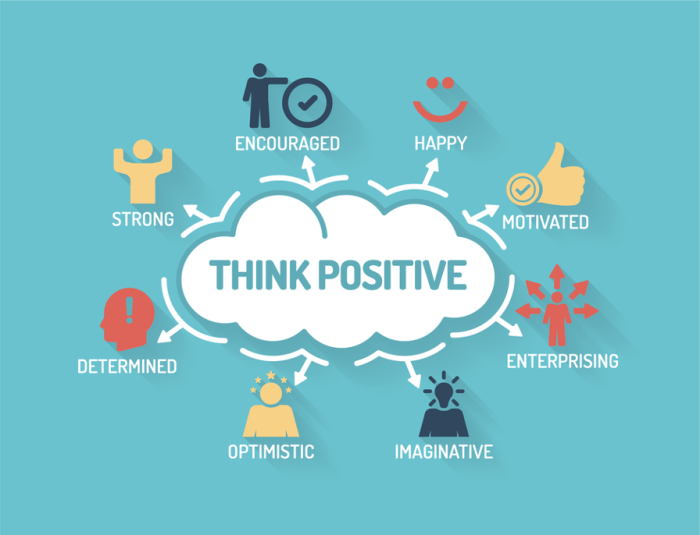
Mental Strength and Positive Thinking
Mental strength and positive thinking play a crucial role in achieving success and overall well-being. By developing resilience and maintaining a positive mindset, individuals can overcome challenges and reach their goals.
The Importance of Mental Strength
Mental strength is essential for facing obstacles and setbacks along the way to achieving goals. It helps individuals stay focused, motivated, and determined, even in difficult circumstances. With mental strength, individuals can navigate challenges with a clear mind and find solutions to overcome them.
Impact of Positive Thinking on Well-being
Positive thinking has a profound impact on overall well-being by reducing stress, increasing optimism, and enhancing mental health. By cultivating a positive mindset, individuals can improve their resilience, cope with adversity, and maintain a sense of hope and gratitude.
Examples of Mental Strength in Action
- Professional athletes who face injuries but maintain a positive attitude and work hard to recover and return to their sport.
- Entrepreneurs who encounter failures but persevere with determination and learn from their mistakes to ultimately succeed.
- Students facing academic challenges who stay motivated, seek help when needed, and continue to strive for excellence.
Strategies for Developing Mental Resilience
- Cultivate a growth mindset by embracing challenges and seeing them as opportunities for growth.
- Practice self-care activities such as meditation, exercise, and spending time in nature to improve mental well-being.
- Surround yourself with positive and supportive individuals who uplift and encourage you during tough times.
- Acknowledge and challenge negative thoughts by reframing them in a more positive and realistic light.
Healthy Snacks
When it comes to boosting mental strength, choosing the right snacks can make a big difference. Consuming nutritious snacks can help improve mental clarity, focus, and productivity.
Nutritious Snack Options
Here are some healthy snack options that can help boost your brain power:
- Almonds: Packed with vitamin E, almonds can help enhance cognitive function.
- Blueberries: Rich in antioxidants, blueberries can improve memory and cognitive performance.
- Greek Yogurt: High in protein and probiotics, Greek yogurt can support brain health.
- Dark Chocolate: Contains flavonoids that can increase blood flow to the brain, improving focus.
Benefits of Consuming Healthy Snacks
Consuming healthy snacks can provide several benefits for mental clarity, including:
- Steady Energy Levels: Nutrient-dense snacks can help maintain stable energy levels throughout the day.
- Improved Focus: Foods rich in antioxidants and omega-3 fatty acids can enhance cognitive function and focus.
- Enhanced Mood: Certain snacks, like dark chocolate, can boost mood and reduce stress levels.
Brain-Boosting Snack Recipes
Try these easy-to-prepare recipes for brain-boosting snacks:
- Almond Butter Banana Bites: Spread almond butter on banana slices for a quick and nutritious snack.
- Blueberry Yogurt Parfait: Layer Greek yogurt with fresh blueberries and granola for a tasty and brain-boosting treat.
- Dark Chocolate Trail Mix: Combine dark chocolate pieces with almonds and dried blueberries for a satisfying snack.
Role of Snacking in Maintaining Focus and Productivity
Snacking strategically throughout the day can help maintain focus and productivity by providing a steady source of nutrients and energy. By choosing healthy snacks that support brain function, you can optimize your mental performance and stay sharp throughout the day.
Wellness Programs
Wellness programs play a crucial role in promoting mental strength and positive thinking by focusing on holistic well-being. These programs incorporate various activities and resources aimed at improving physical, mental, and emotional health, ultimately leading to a more positive outlook on life.
Components of an Effective Wellness Program
- Physical Activity: Regular exercise can boost mood, reduce stress, and improve overall mental health.
- Mindfulness and Meditation: Practices that promote mindfulness help individuals stay present and manage stress effectively.
- Nutrition Education: Learning about healthy eating habits can enhance energy levels and support mental clarity.
- Stress Management Techniques: Teaching coping mechanisms and relaxation strategies can empower individuals to handle challenges positively.
Success Stories of Individuals
“After participating in a wellness program at my workplace, I noticed a significant improvement in my overall well-being. I felt more focused, energized, and optimistic about the future.”
Tips for Incorporating Wellness Activities
- Schedule time for self-care activities like exercise, meditation, or hobbies that bring you joy.
- Stay connected with a support system of friends or family members who uplift and encourage you.
- Set realistic goals for your wellness journey and celebrate small victories along the way.
- Prioritize sleep and establish a bedtime routine to ensure adequate rest for both body and mind.
Physical Therapy
Physical therapy plays a crucial role in improving mental well-being by addressing the connection between physical health and mental strength. Through various techniques and exercises, physical therapy can support positive thinking and overall mental health.
Techniques Used in Physical Therapy for Mental Health Benefits
- Exercise Therapy: Physical activity can release endorphins, known as “feel-good” hormones, which can help reduce stress, anxiety, and depression.
- Manual Therapy: Techniques such as massage and joint mobilization can promote relaxation, reduce muscle tension, and improve overall mood.
- Therapeutic Activities: Engaging in activities like yoga, Pilates, or tai chi can enhance mindfulness, focus, and emotional well-being.
- Education and Counseling: Physical therapists can provide education on lifestyle modifications, coping strategies, and stress management techniques to support mental health.
Connection Between Physical Health and Mental Strength
- Improved Self-Esteem: Physical therapy can help individuals feel more confident in their physical abilities, leading to a positive impact on self-esteem and self-image.
- Stress Reduction: Regular physical activity and therapy can reduce cortisol levels, the stress hormone, and promote relaxation and mental clarity.
- Enhanced Sleep Quality: Better physical health through therapy can contribute to improved sleep patterns, which are essential for mental well-being.
- Increased Energy Levels: Physical therapy can boost energy levels, reduce fatigue, and enhance overall mood and motivation.
Health Coaching
Health coaching plays a crucial role in enhancing mental strength by providing individuals with the support and guidance needed to improve their overall well-being. Through personalized coaching sessions, health coaches help clients identify their strengths, set achievable goals, and develop strategies to overcome obstacles.
Role of Health Coaches in Developing a Positive Mindset
Health coaches support individuals in developing a positive mindset by encouraging them to focus on their strengths, values, and goals. By using techniques such as positive affirmations, visualization, and mindfulness practices, health coaches help clients cultivate a positive outlook on life and improve their mental resilience.
Goal-Setting Techniques in Health Coaching
- Health coaches use the SMART goal-setting framework, which stands for Specific, Measurable, Achievable, Relevant, and Time-bound, to help clients set clear and actionable goals.
- They also assist individuals in breaking down larger goals into smaller, manageable steps to ensure progress and maintain motivation.
- Health coaches emphasize the importance of setting goals that are aligned with the client’s values and priorities to increase commitment and engagement.
Finding a Qualified Health Coach for Mental Well-being
- Look for health coaches who are certified by reputable organizations such as the International Coach Federation (ICF) or the National Board for Health & Wellness Coaching (NBHWC).
- Consider the coach’s experience, specialization, and approach to ensure they are a good fit for your mental well-being goals.
- Ask for referrals from trusted sources or read reviews/testimonials to gauge the effectiveness of the coach in supporting mental strength and positive thinking.
Medical Advancements
Medical advancements have played a crucial role in transforming the landscape of mental health treatment. These breakthroughs have paved the way for innovative technologies and treatments that have significantly enhanced mental strength and overall well-being. Let’s delve into how these advancements have revolutionized mental health care and explore the promising future they hold.
Innovative Treatments and Technologies
- Transcranial Magnetic Stimulation (TMS): This non-invasive procedure uses magnetic fields to stimulate nerve cells in the brain, showing promising results in treating depression and other mental health disorders.
- Virtual Reality Therapy: Virtual reality technology is being used to create immersive environments for exposure therapy, helping individuals confront and overcome their fears and anxieties in a controlled setting.
- Gene Therapy: Advances in genetic research have led to the development of gene-based treatments for mental health conditions, offering personalized interventions based on an individual’s genetic makeup.
Success Stories
“After undergoing TMS treatment, I noticed a significant improvement in my mood and overall mental well-being. It was like a weight had been lifted off my shoulders, and I could finally see the light at the end of the tunnel.” – Sarah, 34
Future of Mental Health Care
- Telehealth Services: The integration of telemedicine and remote monitoring capabilities is making mental health care more accessible and convenient for individuals, especially in underserved areas.
- Artificial Intelligence (AI) Tools: AI-powered algorithms are being used to analyze large datasets and identify patterns in mental health conditions, leading to more accurate diagnoses and personalized treatment plans.
- Neurofeedback Therapy: This cutting-edge treatment involves real-time monitoring of brain activity to help individuals learn to regulate their brain waves, leading to improved focus, mood, and overall mental resilience.
Fitness Goals
Physical fitness and mental strength are closely interconnected. Regular exercise not only improves physical health but also has a significant impact on mental well-being. When you set fitness goals and work towards achieving them, you are not only improving your physical health but also enhancing your mental resilience.
Relationship between Physical Fitness and Mental Strength
Regular physical activity has been shown to reduce symptoms of anxiety and depression. Exercise releases endorphins, also known as “feel-good” hormones, which can help improve mood and reduce stress levels. By taking care of your physical health, you are also supporting your mental health.
Achieving Fitness Goals for Positive Thinking
Setting and achieving fitness goals can be a great way to boost positive thinking. When you set specific, measurable goals, you give yourself something to work towards and a sense of accomplishment when you reach them. This can lead to increased self-confidence and a more positive outlook on life.
Tips for Staying Motivated to Reach Fitness Goals
– Set realistic and achievable goals to avoid feeling overwhelmed.
– Keep track of your progress to see how far you’ve come.
– Find a workout buddy or join a fitness class for social support and accountability.
– Reward yourself for reaching milestones to stay motivated.
Benefits of Regular Exercise for Mental Resilience
Regular exercise not only improves physical health but also boosts mental resilience. It can help you better cope with stress, increase your ability to focus, and improve overall cognitive function. By incorporating regular exercise into your routine, you can enhance your mental well-being and build the strength needed to face life’s challenges.
Balanced Nutrition
Maintaining a balanced diet is crucial for overall health, including mental well-being. Nutrient-rich foods play a significant role in supporting cognitive function and positive thinking.
Impact of Balanced Nutrition on Mental Health
A diet rich in essential nutrients such as omega-3 fatty acids, vitamins, minerals, and antioxidants can have a profound impact on mental health. These nutrients help in regulating neurotransmitters, reducing inflammation, and protecting brain cells. Consuming a variety of nutrient-dense foods can improve mood, cognitive function, and overall mental well-being.
Link Between Healthy Diet and Positive Thinking
Eating a healthy, balanced diet can directly influence your mood and mindset. Nutrient-rich foods help in reducing stress, anxiety, and depression while promoting feelings of positivity and overall well-being. A diet consisting of whole grains, lean proteins, fruits, vegetables, and healthy fats can provide the necessary nutrients to support a positive outlook on life.
Meal Planning Tips for Balanced Diet to Support Mental Strength
– Include a variety of fruits and vegetables in your meals to ensure a wide range of vitamins and minerals.
– Incorporate lean proteins such as fish, poultry, tofu, or legumes for essential amino acids.
– Opt for whole grains like quinoa, brown rice, and whole wheat bread for sustained energy levels.
– Limit processed foods, sugary snacks, and high-fat foods that can negatively impact mental health.
– Stay hydrated by drinking plenty of water throughout the day to support brain function.
Nutrient-Rich Foods for Cognitive Function
- Salmon: Rich in omega-3 fatty acids that support brain health and cognitive function.
- Blueberries: Packed with antioxidants that help improve memory and protect against oxidative stress.
- Spinach: High in folate, iron, and vitamins A and C, which are essential for brain health.
- Nuts and seeds: Provide healthy fats, vitamins, and minerals that support cognitive function.
- Avocado: Contains monounsaturated fats and vitamin E, beneficial for brain health and mood regulation.
Yoga Practice
Yoga is a powerful practice that goes beyond physical benefits, as it can also significantly impact mental health and overall well-being. Through a combination of breathwork, mindfulness, and movement, yoga cultivates mental strength and promotes positive thinking.
Benefits of Yoga for Mental Well-being
- Reduces stress and anxiety levels through relaxation techniques.
- Improves focus and concentration by encouraging mindfulness and present moment awareness.
- Enhances self-awareness and self-compassion, leading to a more positive outlook on life.
- Promotes emotional balance and stability by regulating the nervous system.
Yoga Poses for Mental Resilience
| Poses | Benefits |
|---|---|
| Mountain Pose (Tadasana) | Grounding and centering, promoting a sense of stability. |
| Warrior II (Virabhadrasana II) | Builds strength and confidence, fostering resilience. |
| Tree Pose (Vrikshasana) | Improves balance and focus, enhancing mental clarity. |
| Child’s Pose (Balasana) | Relieves stress and tension, promoting relaxation. |
Tips for Beginners Starting a Yoga Practice for Mental Health
- Start with gentle and beginner-friendly yoga classes or online tutorials.
- Focus on proper alignment and listen to your body’s signals to prevent injury.
- Be consistent with your practice, even if it’s just a few minutes a day.
- Combine yoga with other mental health practices like meditation for holistic benefits.
Health Education
Health education plays a crucial role in fostering mental strength by providing individuals with the knowledge and skills needed to make informed decisions about their well-being.
Importance of Health Education in Fostering Mental Strength
Health education equips individuals with the tools to understand the connection between physical and mental health, empowering them to take proactive steps to improve their overall well-being.
By educating individuals about the importance of self-care practices, stress management techniques, and healthy lifestyle choices, health education can help build resilience and enhance mental fortitude.
Impact of Being Informed about Health Topics on Positive Thinking
Being informed about health topics can positively impact positive thinking by reducing anxiety, increasing self-awareness, and promoting a sense of control over one’s health outcomes.
When individuals have access to reliable information about nutrition, exercise, and mental health, they are better equipped to make positive choices that support their overall well-being and mindset.
Resources for Accessing Reliable Health Education Materials
- Online platforms: Websites of reputable health organizations such as the CDC, WHO, and Mayo Clinic offer a wealth of information on various health topics.
- Local community centers: Many community centers host health education workshops, seminars, and classes led by healthcare professionals.
- Public libraries: Libraries often have a collection of books, journals, and other resources on health and wellness for individuals to access.
Role of Continuous Learning in Maintaining Mental Well-being
Continuous learning through health education enables individuals to stay up-to-date on the latest research, trends, and best practices in mental health and well-being.
By engaging in lifelong learning, individuals can adapt their self-care routines, coping strategies, and mindset to better navigate life’s challenges and maintain optimal mental health.
Weight Management
Maintaining a healthy weight is crucial for both physical and mental well-being. In fact, achieving a healthy weight can significantly impact our mental strength and positive thinking.
Link between Weight Management and Mental Strength
- Being at a healthy weight can boost self-confidence and self-esteem, leading to a more positive mindset.
- Weight management requires discipline and determination, which can help strengthen mental resilience.
- Physical activity involved in weight management releases endorphins, improving mood and reducing stress levels.
Psychological Effects of Weight Management on Positive Thinking
- Successful weight management can enhance body image perception and promote self-acceptance.
- Feeling in control of one’s weight can translate to feeling in control of other aspects of life, fostering a positive outlook.
- Positive changes in body weight can lead to a more optimistic mindset and increased motivation to achieve other goals.
Strategies for Achieving Sustainable Weight Loss
- Set realistic and achievable goals to avoid feelings of failure.
- Focus on making long-term lifestyle changes rather than quick fixes or extreme diets.
- Seek support from health professionals, such as nutritionists or fitness trainers, to create a personalized plan.
Tips for Creating a Balanced Approach to Weight Management
- Practice mindful eating to be more aware of hunger cues and prevent overeating.
- Incorporate a variety of nutrient-dense foods into your diet to ensure proper nourishment.
- Engage in regular physical activity that you enjoy to maintain a healthy weight and improve mental well-being.
Health Checkups
Regular health checkups play a crucial role in maintaining mental well-being by ensuring early detection of any potential health issues. These checkups not only help in preventing diseases but also provide a sense of security and peace of mind.
Significance of Preventive Healthcare
Preventive healthcare measures can significantly support mental strength by identifying risk factors early on and addressing them before they develop into serious conditions. By staying proactive with routine screenings and checkups, individuals can take control of their health and make informed decisions to promote overall well-being.
Benefits of Early Detection, Mental strength and positive thinking
Early detection through routine health screenings can lead to more effective treatment options and better outcomes. By identifying health issues in their early stages, individuals have a higher chance of successful recovery and can avoid potential complications that may arise if left untreated.
Tips for Scheduling Checkups
– Make a schedule: Plan out your health checkups for the year in advance to ensure you don’t miss any important appointments.
– Prioritize your health: Treat your health checkups as a priority and allocate time for them in your calendar.
– Set reminders: Use reminders or alerts on your phone to keep track of upcoming checkups and screenings.
– Communicate with your healthcare provider: Discuss any concerns or symptoms you may have during your checkups to receive proper guidance and care.
Skin Health
Having healthy skin is not only important for physical well-being but also plays a crucial role in maintaining mental wellness. The condition of our skin can significantly impact our self-esteem, confidence, and overall mood.
Connection Between Skin Health and Mental Well-being
Our skin is a reflection of our internal health and emotional state. When we take care of our skin, it can boost our self-image and contribute to a positive mindset. On the other hand, skin issues or neglecting skincare can lead to feelings of insecurity, stress, and anxiety.
Skincare Routines Impact on Positive Thinking
- Establishing a skincare routine can serve as a form of self-care, allowing individuals to take time for themselves and practice mindfulness.
- Using skincare products with pleasant scents or textures can create a sensory experience that promotes relaxation and positivity.
- Seeing improvements in skin texture and appearance through consistent skincare can boost self-confidence and enhance a sense of accomplishment.
Tips for Maintaining Healthy Skin to Support Mental Resilience
- Stay hydrated by drinking plenty of water to keep skin hydrated and glowing.
- Eat a balanced diet rich in vitamins and antioxidants to nourish the skin from within.
- Protect your skin from sun damage by wearing sunscreen daily and avoiding prolonged exposure to UV rays.
- Establish a skincare routine that includes cleansing, moisturizing, and exfoliating to keep your skin healthy and vibrant.
Relationship Between Self-care Practices and Mental Strength
Engaging in self-care practices, such as skincare routines, can help individuals prioritize their well-being and cultivate a positive mindset. Taking care of the skin is a form of self-love that can contribute to improved mental resilience and overall happiness.
Emotional Health
Emotional well-being is a crucial component of mental strength as it directly impacts our ability to cope with challenges, maintain a positive outlook, and navigate through life’s ups and downs. Managing emotions effectively can greatly contribute to fostering positive thinking and overall mental resilience.
The Importance of Emotional Well-being
Emotional health plays a vital role in our overall well-being, influencing how we perceive and respond to situations. It affects our relationships, decision-making, and stress management. By prioritizing emotional health, individuals can enhance their mental strength and cultivate a more positive mindset.
Coping Strategies for Emotional Balance
- Practice mindfulness and meditation to stay present and grounded.
- Engage in regular physical activity to release endorphins and reduce stress.
- Seek support from friends, family, or a therapist to express emotions and gain perspective.
- Establish healthy boundaries to protect your emotional well-being.
Activities Promoting Emotional Health
- Journaling to express thoughts and emotions.
- Engaging in hobbies or creative outlets for relaxation and enjoyment.
- Participating in support groups or community activities for connection and understanding.
- Practicing gratitude and positive affirmations to shift focus towards the positive aspects of life.
Health Motivation
Motivation plays a crucial role in building mental strength and maintaining a focus on health and wellness. It serves as the driving force behind our actions, helping us stay committed to our goals even when faced with challenges.
Strategies for Staying Motivated
- Set specific, achievable goals: Break down larger health objectives into smaller, manageable tasks to track progress and stay motivated.
- Find a support system: Surround yourself with friends, family, or a community that encourages and motivates you on your health journey.
- Reward yourself: Celebrate small victories along the way to reinforce positive behavior and boost motivation.
- Stay informed: Educate yourself about the benefits of healthy habits and the risks of neglecting them to stay motivated and focused.
Personal Anecdotes and Success Stories
“After incorporating regular exercise into my routine, I noticed a significant improvement in my energy levels and overall mood. This positive change motivated me to continue prioritizing my health each day.”
Tips for Overcoming Challenges
- Stay adaptable: Be flexible in your approach to health goals and willing to adjust strategies as needed to overcome obstacles.
- Practice self-compassion: Be kind to yourself during setbacks and remember that progress is a journey, not perfection.
- Visualize success: Create a mental image of achieving your health goals to stay inspired and motivated during tough times.
Physical Activities
Regular physical activity is essential for maintaining good mental well-being. Engaging in exercises can have numerous benefits for the mind, including reducing stress, improving mood, boosting self-esteem, and enhancing cognitive function.
Benefits of Physical Activities for Mental Well-being
- Improves mood and reduces symptoms of anxiety and depression.
- Increases the production of endorphins, also known as “feel-good” hormones.
- Enhances cognitive function and memory.
- Boosts self-esteem and confidence levels.
- Provides a healthy outlet for stress and pent-up emotions.
Different Types of Exercises to Boost Mental Strength
- Aerobic Exercises: Running, swimming, or cycling can help release endorphins and improve mood.
- Strength Training: Lifting weights or doing bodyweight exercises can boost confidence and self-esteem.
- Yoga and Pilates: These practices focus on mindfulness and relaxation, promoting mental clarity.
- Dance Classes: Dancing is a fun way to exercise and improve mood through rhythmic movements.
Tips for Incorporating Physical Activities into Daily Routines
- Schedule workouts like appointments to prioritize them in your day.
- Choose activities that you enjoy to make exercise more enjoyable and sustainable.
- Set realistic goals and track your progress to stay motivated.
- Find a workout buddy or join group classes for social support and accountability.
Examples of Fun and Rewarding Physical Activities for Mental Health
- Hiking in nature to reduce stress and connect with the outdoors.
- Playing team sports for social interaction and a sense of belonging.
- Swimming for a full-body workout that is easy on the joints.
- Taking dance lessons to boost mood and creativity through movement.
Health Awareness
Raising awareness about mental health is crucial in breaking the stigma associated with mental health issues and encouraging individuals to seek help when needed.
Importance of Health Awareness
Increased health awareness plays a vital role in promoting positive thinking by educating individuals about the importance of mental well-being and encouraging them to prioritize self-care.
Initiatives and Campaigns
- The “Bell Let’s Talk” campaign in Canada has been successful in raising awareness about mental health and reducing the stigma surrounding it through open conversations.
- The “Heads Together” campaign in the UK, led by members of the royal family, has focused on promoting mental well-being and providing resources for those in need.
- Online platforms like “To Write Love on Her Arms” have created a supportive community for individuals struggling with mental health issues.
Impact of Public Health Awareness
Public health awareness initiatives have a significant impact on mental strength by normalizing discussions about mental health, encouraging early intervention, and providing access to resources and support systems.
Preventive Medicine
Preventive medicine plays a crucial role in maintaining mental health by focusing on early detection and intervention to prevent the onset of mental health issues. By implementing preventive measures, individuals can build mental resilience and better cope with stressors and challenges that may arise in life. These practices not only support positive thinking but also contribute to overall well-being.
Benefits of Preventive Medicine in Mental Health
- Regular exercise: Engaging in physical activities can help reduce stress, anxiety, and depression, leading to improved mental health.
- Healthy diet: Consuming a balanced diet rich in nutrients can support brain function and promote positive mood.
- Mindfulness and meditation: Practicing mindfulness and meditation techniques can enhance self-awareness, reduce negative thinking patterns, and promote mental clarity.
- Social connections: Building strong social connections and maintaining supportive relationships can improve mental health and provide a sense of belonging and purpose.
Tips for Incorporating Preventive Medicine Strategies into Daily Life
- Set realistic health goals and create a routine that includes physical activity, healthy eating, and mental wellness practices.
- Stay informed about mental health resources and seek professional help when needed to address any concerns or symptoms early on.
- Prioritize self-care activities such as adequate sleep, relaxation techniques, and stress management to maintain a healthy mind and body.
- Practice gratitude and positive affirmations to cultivate a positive mindset and build resilience in the face of challenges.
Nutritional Counseling: Mental Strength And Positive Thinking
Nutritional counseling plays a crucial role in enhancing mental strength by providing individuals with the knowledge and guidance needed to make informed choices about their diet and overall nutrition. By focusing on a balanced and healthy diet, individuals can improve their mental well-being and resilience to stress.
Benefits of Personalized Nutrition Plans
Personalized nutrition plans tailored to an individual’s specific needs can greatly contribute to positive thinking. These plans take into account factors such as age, health conditions, lifestyle, and personal preferences to ensure that individuals receive the nutrients necessary for optimal mental health. By following a personalized nutrition plan, individuals can experience improved mood, cognitive function, and overall well-being.
Role of Nutritionists in Supporting Mental Well-being
Nutritionists play a vital role in supporting mental well-being by providing expert advice and guidance on how diet and nutrition can impact mental health. They work closely with individuals to assess their nutritional needs, develop personalized meal plans, and offer ongoing support and education to promote mental wellness. Nutritionists also help individuals make healthier food choices that can positively affect their mood, energy levels, and overall mental resilience.
Tips for Seeking Nutritional Counseling Services
- Research and find a qualified and experienced nutritionist who specializes in mental health and well-being.
- Discuss your specific goals and concerns with the nutritionist to ensure they can tailor their recommendations to meet your needs.
- Be open and honest about your eating habits, lifestyle, and any challenges you may face when it comes to nutrition.
- Follow the personalized nutrition plan provided by your nutritionist consistently and make adjustments as needed based on your progress and feedback.
- Stay engaged and communicate regularly with your nutritionist to track your progress, address any concerns, and make necessary adjustments to your plan.
Healthy Mind
Having a healthy mind encompasses a state of emotional well-being, resilience, and positivity. It involves the ability to cope with stress, maintain a positive outlook on life, and make sound decisions.
Characteristics of a Resilient and Positive Mindset
- Resilience: A healthy mind is characterized by resilience, the ability to bounce back from challenges and setbacks. Resilient individuals see obstacles as opportunities for growth and learning.
- Positive Outlook: Maintaining a positive attitude even in difficult situations is a key trait of a healthy mind. Positive thinking can help reduce stress, improve mood, and enhance overall well-being.
- Adaptability: Being open to change and willing to adapt to new circumstances is essential for mental health. Flexibility in mindset allows individuals to navigate life’s ups and downs with greater ease.
Practices for Maintaining a Healthy Mind
- Regular Exercise: Physical activity has been shown to have numerous benefits for mental health, including reducing anxiety and depression.
- Mindfulness Meditation: Practicing mindfulness can help calm the mind, reduce stress, and improve focus and concentration.
- Social Connections: Building and maintaining relationships with others can provide emotional support, reduce feelings of loneliness, and improve overall mental well-being.
Importance of Mental Well-being in Overall Health
Mental well-being is closely interconnected with physical health, and neglecting one can impact the other. A healthy mind contributes to better decision-making, stronger relationships, and improved quality of life. Prioritizing mental well-being is essential for overall health and wellness.
FAQ Summary
How does positive thinking impact mental strength?
Positive thinking enhances mental strength by fostering a resilient mindset that can overcome challenges and setbacks effectively.
What are some strategies for developing mental resilience through positive thinking?
Practicing gratitude, reframing negative thoughts, and setting realistic goals are effective strategies for building mental resilience through positive thinking.
Can mental strength help individuals overcome challenges?
Yes, mental strength equips individuals with the resilience and determination needed to face and overcome various challenges in life.
How can wellness programs promote mental strength and positive thinking?
Wellness programs incorporate activities and strategies that enhance overall well-being, including mental strength and positive thinking practices.
What is the connection between physical fitness and mental strength?
Physical fitness contributes to mental strength by improving cognitive function, reducing stress, and boosting overall mood and well-being.