Benefits of mindfulness for a healthy mind: Enhancing Mental Well-being

Benefits of mindfulness for a healthy mind

Introduction to Mindfulness

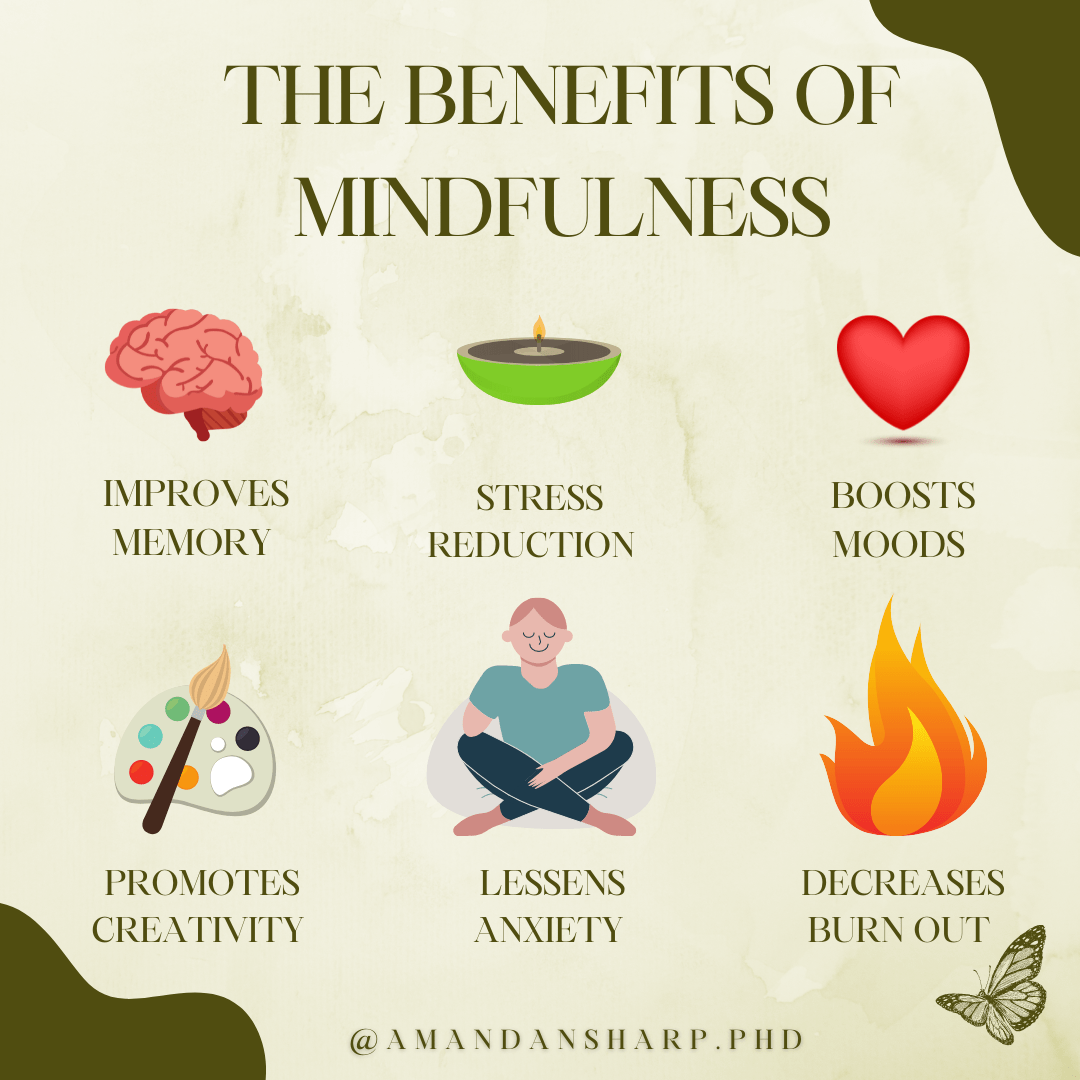
Benefits of mindfulness for a healthy mind – Mindfulness is the practice of being fully present and aware of our thoughts, emotions, and surroundings without judgment. It plays a crucial role in promoting mental well-being by reducing stress, anxiety, and improving focus and clarity.

Mindfulness practices, such as meditation and deep breathing exercises, can benefit overall mental health by helping individuals manage their emotions, increase self-awareness, and cultivate a sense of inner peace.

Mindfulness Techniques

  • Meditation: One of the most common mindfulness practices, meditation involves focusing on your breath or a specific object to cultivate awareness and promote relaxation.
  • Deep Breathing Exercises: Deep breathing exercises help calm the mind and body by slowing down the heart rate and reducing stress levels.
  • Body Scan: This technique involves focusing on different parts of the body to bring awareness to physical sensations and promote relaxation.
  • Mindful Walking: Practicing mindfulness while walking involves paying attention to each step, the movement of the body, and the surrounding environment, fostering a sense of grounding and presence.

Benefits of Mindfulness for a Healthy Mind

Mindfulness practices offer numerous benefits for maintaining a healthy mind, including:

Reducing Stress and Anxiety

Mindfulness techniques, such as deep breathing and meditation, help individuals manage stress and anxiety by promoting relaxation and reducing the impact of negative thoughts. By focusing on the present moment, individuals can alleviate worries about the past or future, leading to a calmer state of mind.

Improving Focus and Concentration

Engaging in mindfulness activities enhances cognitive abilities, such as focus and concentration. By training the mind to stay present and attentive, individuals can improve their ability to concentrate on tasks, leading to increased productivity and efficiency in daily activities.

Enhancing Emotional Regulation and Resilience

Mindfulness practices help individuals develop emotional regulation skills, allowing them to acknowledge and manage their emotions effectively. By cultivating self-awareness and acceptance, individuals can build resilience to adverse situations, leading to better emotional well-being and coping mechanisms.

Incorporating Mindfulness into Daily Routine

Integrating mindfulness practices into your daily routine can help you cultivate a sense of peace and well-being amidst the hustle and bustle of everyday life. Consistency is key to reaping the long-term benefits of mindfulness.

Mindful Breathing

One simple way to incorporate mindfulness into your daily routine is through mindful breathing exercises. Take a few minutes each day to focus on your breath, paying attention to the sensation of each inhale and exhale.

Mindful Walking

Another effective mindfulness activity is mindful walking. Whether you’re at home or work, take a short walk and pay attention to each step you take. Notice the sensations in your body and the environment around you.

Mindful Eating

Practicing mindful eating can also help you cultivate mindfulness in your daily life. Take the time to savor each bite of your meal, paying attention to the flavors, textures, and sensations as you eat.

Consistency is Key

It’s important to make mindfulness a consistent part of your daily routine to experience its full benefits. Set aside dedicated time each day for mindfulness practices and make a commitment to yourself to prioritize your mental well-being.

Mindfulness in Relation to Healthy Snacks

When it comes to food choices and eating habits, mindfulness plays a crucial role in promoting overall health and well-being. Mindful eating involves being fully present and aware of the food you consume, which can lead to better choices and a more balanced diet.

Impact of Mindful Eating

Mindful eating can help prevent overeating by allowing you to tune into your body’s hunger and fullness cues. By paying attention to the sensory experience of eating, such as taste, texture, and smell, you can savor your food more and avoid mindless snacking.

  • Choose whole foods: Opt for nutritious snacks like fruits, vegetables, nuts, and seeds instead of processed and high-sugar options.
  • Practice portion control: Be mindful of serving sizes and avoid mindlessly munching on snacks straight from the bag.
  • Eat slowly and mindfully: Take the time to enjoy your snacks without distractions, allowing yourself to fully appreciate the flavors and textures.
  • Listen to your body: Pay attention to hunger and fullness cues to know when you’re truly hungry or just craving a snack out of habit or boredom.

Mindfulness within Wellness Programs

Many wellness programs for employees or individuals incorporate mindfulness as a key component to promote overall well-being. Mindfulness practices are known to reduce stress, improve focus, and enhance emotional regulation, making them valuable additions to wellness initiatives.

Role of Mindfulness in Wellness Programs

  • Mindfulness Meditation: Guided meditation sessions are often included in wellness programs to help participants cultivate a sense of presence and awareness.
  • Yoga and Tai Chi: Mindful movement practices like yoga and tai chi are commonly offered as part of wellness programs to promote relaxation and mind-body connection.
  • Stress Reduction Workshops: Mindfulness-based stress reduction workshops teach individuals how to respond to stressors with a calm and clear mind.

Mindfulness Techniques in Physical Therapy

Mindfulness practices can be a valuable addition to traditional physical therapy treatments by helping patients focus on the present moment, increase body awareness, and manage pain and stress more effectively. Incorporating mindfulness techniques into physical therapy sessions can enhance the overall rehabilitation process and improve patient outcomes.

Benefits of Mindfulness for Pain Management and Rehabilitation

  • Reduction in perceived pain levels: Mindfulness techniques, such as deep breathing and body scans, can help patients manage and reduce their perception of pain.
  • Improved emotional well-being: Mindfulness practices can assist patients in coping with the emotional challenges associated with pain and injury, leading to better mental health outcomes.
  • Enhanced focus and concentration: By practicing mindfulness, patients can improve their ability to focus on their rehabilitation exercises and movement patterns, aiding in better recovery.

Examples of Mindfulness Techniques Used in Physical Therapy Sessions

  • Deep breathing exercises: Encouraging patients to focus on their breath can promote relaxation, reduce stress, and enhance body awareness during physical therapy sessions.
  • Body scan meditation: Guiding patients through a body scan meditation can help them connect with their bodies, identify areas of tension or discomfort, and release physical and emotional stress.
  • Mindful movement: Incorporating mindfulness into movement-based therapies, such as yoga or tai chi, can improve balance, coordination, and body awareness in patients undergoing rehabilitation.

Mindfulness and Health Coaching

Mindfulness can be seamlessly integrated into health coaching sessions to enhance client outcomes. Health coaches leverage mindfulness techniques to support behavior change, promote goal setting, and ultimately improve overall well-being.

Role of Mindfulness in Supporting Behavior Change and Goal Setting

  • Encouraging clients to practice mindfulness meditation to increase self-awareness and regulate emotions.
  • Using mindfulness to help clients identify triggers for unhealthy habits and develop strategies to overcome them.
  • Incorporating mindfulness techniques to enhance motivation and focus on achieving health-related goals.

Examples of Mindfulness Strategies Used by Health Coaches

  • Guided mindfulness meditation sessions to reduce stress and improve mental clarity.
  • Encouraging mindful eating practices to promote healthier food choices and prevent overeating.
  • Implementing mindfulness-based stress reduction techniques to manage anxiety and improve overall mental health.

Mindfulness and Medical Advancements

Mindfulness techniques are increasingly being incorporated into medical care and treatments due to their proven benefits on both mental and physical health. Research has shown that mindfulness practices can have a positive impact on various physical health conditions, leading to improvements in overall well-being.

Research Findings on the Impact of Mindfulness on Physical Health Conditions

  • Studies have demonstrated that mindfulness can help reduce symptoms of chronic pain, such as lower back pain and migraines, by promoting relaxation and reducing stress levels.
  • Mindfulness-based interventions have been shown to be effective in managing conditions like hypertension, heart disease, and diabetes, by lowering blood pressure and improving glucose control.
  • Research also suggests that mindfulness techniques can enhance immune function, leading to better overall health and a reduced risk of infections.

Examples of Medical Advancements that Include Mindfulness-Based Interventions

  • Many hospitals and healthcare facilities now offer mindfulness-based stress reduction programs to help patients cope with the emotional and physical challenges of illness and treatment.
  • Some medical professionals incorporate mindfulness practices into their treatment plans for patients undergoing surgery or cancer treatment, to reduce anxiety and enhance recovery.
  • Technological advancements have also led to the development of mindfulness apps and virtual reality programs that can be used in medical settings to support patients in managing pain and improving overall well-being.

Mindfulness for Achieving Fitness Goals

Mindfulness practices can significantly enhance motivation and performance in fitness routines. By incorporating mindfulness techniques, individuals can develop a deeper awareness of their bodies, thoughts, and emotions during exercise, leading to improved focus, endurance, and overall well-being.

Benefits of Mindfulness for Setting and Achieving Fitness Goals

  • Enhanced focus and concentration during workouts, leading to better form and technique.
  • Increased motivation to stay consistent with exercise routines and push through challenges.
  • Better mind-body connection, allowing individuals to listen to their bodies’ signals and prevent injuries.
  • Reduced stress and anxiety related to performance, leading to a more positive mindset towards fitness goals.

Examples of Mindfulness Techniques to Improve Athletic Performance

  • Body scan meditation: Practicing a body scan meditation before a workout can help individuals become more aware of any tension or discomfort in specific areas of the body, allowing them to address these issues before starting the exercise.
  • Focused breathing: Utilizing focused breathing techniques, such as deep belly breathing or box breathing, can help individuals regulate their breathing patterns during intense workouts, leading to improved endurance and performance.
  • Visualization: Engaging in visualization exercises where individuals picture themselves successfully completing their fitness goals can boost confidence and motivation, making it easier to push through difficult workouts.

Mindfulness and Balanced Nutrition

Mindfulness plays a crucial role in promoting balanced nutrition by enhancing our awareness of our eating habits and food choices. By practicing mindfulness, individuals can develop a deeper connection with their body’s hunger cues and improve portion control, ultimately leading to healthier dietary decisions.

Practicing Mindful Eating

One way mindfulness can support balanced nutrition is through mindful eating practices. This involves paying full attention to the sensory experience of eating, such as the taste, texture, and aroma of food. By being present in the moment while eating, individuals can better recognize feelings of fullness and satisfaction, preventing overeating.

  • Avoiding distractions while eating, such as watching TV or scrolling through your phone, can help you focus on your meal and better appreciate the flavors.
  • Taking the time to chew your food slowly and savor each bite can improve digestion and allow your body to signal when it’s satiated.
  • Listeing to your body’s hunger and fullness cues can help you make more conscious decisions about when to start and stop eating, promoting a healthier relationship with food.

Building Mental Strength through Mindfulness

Mindfulness plays a crucial role in building mental strength by enhancing resilience and toughness, enabling individuals to manage negative thoughts and emotions effectively. By incorporating mindfulness practices into daily routines, individuals can develop a more positive mindset and cope with challenges more constructively.

Role of Mindfulness in Managing Negative Thoughts and Emotions

Mindfulness helps individuals become more aware of their thoughts and emotions without judgment, allowing them to observe and acknowledge negative patterns. By practicing mindfulness, individuals can create space between their thoughts and reactions, leading to better control over their emotions and reducing the impact of negative thinking.

Examples of Mindfulness Exercises for Developing Mental Strength

  • Body Scan: A practice where individuals focus on different parts of their body, noticing sensations without judgment, helping them to become more aware of physical and emotional experiences.
  • Deep Breathing: Engaging in deep, intentional breathing exercises can help calm the mind and body, reducing stress and enhancing mental clarity.
  • Thought Labeling: By labeling negative thoughts as they arise, individuals can create distance from them, preventing them from spiraling into overwhelming emotions.
  • Loving-Kindness Meditation: This practice involves sending positive intentions and compassion to oneself and others, fostering a sense of connection and resilience.

Mindfulness in Yoga Practice

Mindfulness and yoga have a deep connection that promotes both mental and physical well-being. When mindfulness is integrated into yoga practice, it enhances the mind-body connection, allowing individuals to fully experience each movement and breath.

Intersection of Mindfulness and Yoga

Incorporating mindfulness into yoga helps individuals to focus on the present moment, bringing awareness to their breath, body sensations, and thoughts. This heightened awareness cultivates a sense of inner peace and clarity during the practice.

  • Mindful Breathing: Practicing deep, intentional breathing while moving through yoga poses helps to center the mind and connect with the body’s movements.
  • Body Scan: Mindfully scanning the body for areas of tension or discomfort during yoga allows for targeted relaxation and release of physical and emotional stress.
  • Intention Setting: Setting a mindful intention at the beginning of a yoga practice helps to guide the mind towards a specific focus or goal, promoting a sense of purpose and direction.

Mindfulness in Health Education

Mindfulness in health education plays a crucial role in enhancing students’ overall well-being and academic performance.

Importance of Incorporating Mindfulness into Health Education Curriculums

Integrating mindfulness practices into health education curriculums can help students develop essential skills for managing stress, improving focus, and enhancing emotional regulation. By cultivating mindfulness, students can learn to better cope with the challenges they may face in their academic and personal lives.

How Mindfulness Improves Learning, Memory, and Cognitive Functions

  • Practicing mindfulness techniques, such as deep breathing exercises and body scans, can help students improve their concentration and focus during lectures or study sessions.
  • Research has shown that mindfulness can enhance memory retention and cognitive functions by reducing mind-wandering and improving information processing.
  • Regular mindfulness practice has been linked to increased creativity, problem-solving skills, and overall academic performance.

Examples of Mindfulness Activities Used in Health Education Settings

  • Guided meditation sessions to promote relaxation and stress reduction.
  • Breathing exercises to help students stay grounded and focused during exams or presentations.
  • Mindful eating practices to encourage healthy nutrition habits and mindful food choices.

Mindfulness for Weight Management

Mindfulness practices can play a significant role in supporting sustainable weight loss or maintenance by bringing awareness to our eating habits, emotions, and triggers. By being present in the moment, individuals can develop a healthier relationship with food and make more conscious choices regarding their diet and lifestyle.

Impact of Mindfulness on Eating Behaviors and Self-Regulation

  • Practicing mindfulness can help individuals become more attuned to their body’s hunger and fullness cues, leading to better portion control and reduced overeating.
  • It can also increase self-awareness around emotional eating triggers, allowing individuals to address underlying issues and develop healthier coping mechanisms.
  • Mindfulness promotes a non-judgmental approach to food, reducing guilt and shame associated with eating habits and fostering a more positive relationship with food.

Examples of Mindfulness Techniques for Effective Weight Management

  • Body Scan: This technique involves focusing on different parts of the body, increasing awareness of physical sensations and promoting a connection between the mind and body.
  • Mindful Eating: Paying attention to the sensory experience of eating, such as taste, texture, and smell, can enhance satisfaction from food and prevent mindless overeating.
  • Thought Labeling: Identifying and labeling negative thoughts or cravings related to food can help individuals detach from them and make more conscious choices.
  • Breathing Exercises: Engaging in deep breathing exercises can reduce stress and anxiety, which are common triggers for emotional eating.

Mindfulness and Health Checkups

Mindfulness can play a crucial role in reducing anxiety and enhancing the overall patient experience during health checkups. By promoting a sense of calm and presence, mindfulness techniques can help individuals approach medical assessments with a more positive mindset.

Role of Mindfulness in Promoting Proactive Health Behaviors

  • Encourages individuals to stay present and focused during health checkups, leading to better communication with healthcare providers.
  • Helps in managing stress and anxiety related to medical appointments, resulting in a more relaxed and cooperative attitude towards the checkup.
  • Promotes a proactive approach towards health by fostering a deeper understanding of one’s physical and mental well-being.

Mindfulness Techniques for Health Assessments

  • Deep breathing exercises to calm the mind and body before entering the medical facility.
  • Body scan meditation to increase awareness of physical sensations and reduce tension during the checkup.
  • Guided imagery to visualize a positive outcome and alleviate fears associated with the medical procedure.

Mindfulness for Skin Health

When it comes to skin health, the connection between mindfulness and overall well-being plays a crucial role. Mindfulness practices can have a significant impact on reducing stress levels, which in turn can benefit various skin conditions and promote skin rejuvenation.

Benefits of Mindfulness for Skin Health

  • Reduced Stress Levels: Mindfulness techniques such as deep breathing, meditation, and body scanning can help lower stress hormones in the body, leading to a decrease in skin issues caused or exacerbated by stress.
  • Improved Skin Healing: By focusing on the present moment and practicing mindfulness, individuals can enhance the body’s natural ability to heal and repair skin damage more effectively.
  • Enhanced Skin Radiance: Mindfulness can promote a healthy glow from within by improving blood circulation and promoting better oxygenation to the skin cells.

Mindfulness and Emotional Health

Mindfulness practices play a crucial role in enhancing emotional well-being and resilience by promoting self-awareness and emotional regulation. By cultivating mindfulness, individuals can develop a deeper understanding of their emotions and learn to respond to them in a more constructive manner.

Impact of Mindfulness on Managing Emotions

  • Mindfulness helps individuals observe their emotions without judgment, allowing them to acknowledge and accept their feelings without getting overwhelmed.
  • Practicing mindfulness can reduce reactivity to negative emotions, leading to improved emotional control and increased ability to cope with stressors.
  • By increasing awareness of thought patterns and emotional triggers, mindfulness enables individuals to make more conscious choices in how they respond to challenging situations.

Examples of Mindfulness Exercises for Improving Emotional Health

  • Body Scan Meditation: This exercise involves focusing on different parts of the body, noticing any sensations or emotions that arise without trying to change them.
  • Loving-Kindness Meditation: By extending compassion and kindness towards oneself and others, individuals can cultivate positive emotions and build emotional resilience.
  • Emotional Awareness Practice: This exercise involves labeling emotions as they arise, acknowledging their presence, and observing how they change over time.

Cultivating Health Motivation through Mindfulness

Mindfulness can play a crucial role in enhancing motivation for adopting healthy lifestyle habits by increasing self-awareness and focusing on the present moment. When individuals practice mindfulness, they become more attuned to their thoughts, emotions, and bodily sensations, which can help them identify unhealthy patterns and triggers that may be hindering their progress towards better health.

Role of Mindfulness in Sustaining Long-Term Health Behavior Changes

  • By incorporating mindfulness into daily routines, individuals can develop a deeper understanding of their motivations for making healthy choices and staying committed to their goals.
  • Mindfulness helps individuals cultivate a non-judgmental attitude towards themselves, which can reduce self-criticism and increase self-compassion, leading to better adherence to health behaviors over time.
  • Through mindfulness practices such as meditation, deep breathing, and body scans, individuals can manage stress, anxiety, and other emotional factors that may impact their ability to maintain healthy habits in the long run.

Examples of Mindfulness Strategies for Health Motivation

  • Setting daily intentions for healthy choices and reflecting on them mindfully at the end of the day.
  • Practicing mindful eating by savoring each bite, paying attention to hunger and fullness cues, and avoiding distractions during meals.
  • Engaging in mindful movement practices such as yoga or tai chi to connect the mind and body, reduce stress, and increase physical activity levels.

Mindfulness in Physical Activities

Mindfulness can greatly enhance performance and enjoyment in physical activities by helping individuals stay present, focused, and aware of their movements and sensations. By incorporating mindfulness into exercise routines, individuals can deepen their mind-body connection, improve coordination, reduce stress, and enhance overall well-being.

Benefits of Mindfulness in Physical Activities

  • Increased focus and concentration during workouts
  • Enhanced mind-body connection for better movement control
  • Reduced risk of injury by being more aware of body signals
  • Improved stress management and relaxation

Mindfulness Techniques for Enhancing Physical Activity Experiences

  • Body scan meditation to tune into physical sensations before and after exercise
  • Focused breathing to stay present and calm during challenging workouts
  • Mindful movement practices like yoga or tai chi to cultivate awareness of body movements
  • Awareness of surroundings during outdoor activities to fully immerse in the present moment

Mindfulness for Health Awareness

Mindfulness plays a crucial role in increasing awareness of one’s physical and mental health needs. By being present in the moment and tuning into our thoughts, feelings, and bodily sensations, we can better understand our overall health and well-being.

Promoting Self-Care Practices

  • Practicing mindfulness meditation can help individuals become more attuned to their bodies, noticing any signs of stress or discomfort that may indicate a need for self-care.
  • Engaging in mindful eating can promote healthier food choices and a better relationship with food, leading to improved physical health.
  • Mindfulness exercises like body scans can help individuals identify areas of tension or pain in their bodies, prompting them to take necessary steps for self-care and relaxation.

Health-Conscious Behaviors

  • By practicing mindfulness, individuals can become more aware of their habits and behaviors that may impact their health negatively, such as smoking, poor sleep patterns, or lack of physical activity.
  • Through mindfulness, people can cultivate a sense of self-awareness and self-compassion, which are essential for making positive changes towards a healthier lifestyle.
  • Mindfulness can help individuals break free from automatic and unhealthy patterns of behavior by bringing conscious awareness to their choices and actions.

Examples of Mindfulness Activities

  • Body scan meditation: A practice where individuals systematically focus on each part of their body, noticing any sensations or areas of tension.
  • Mindful walking: Engaging in walking meditation, paying attention to each step and the sensations in the body as you move.
  • Mindful breathing: Bringing awareness to the breath, using it as an anchor to stay present in the moment and calm the mind.

Mindfulness in Preventive Medicine

Benefits of mindfulness for a healthy mind

When it comes to preventive medicine, mindfulness plays a crucial role in maintaining overall health and well-being. By incorporating mindfulness practices into daily routines, individuals can enhance their awareness of physical and mental changes, leading to early detection and management of health issues.

Benefits of Mindfulness in Preventive Medicine, Benefits of mindfulness for a healthy mind

  • Improved stress management: Mindfulness techniques such as deep breathing and meditation can help reduce stress levels, which is essential for preventing various health conditions associated with chronic stress.
  • Enhanced self-awareness: Mindfulness practice encourages individuals to tune into their body’s signals, making it easier to recognize any unusual symptoms or changes that may require medical attention.
  • Promotes healthy habits: By being mindful of their thoughts and actions, individuals are more likely to make healthier choices in terms of diet, exercise, and overall lifestyle, reducing the risk of developing preventable diseases.

Mindfulness and Nutritional Counseling

Mindfulness techniques can significantly enhance the effectiveness of nutritional counseling by promoting a deeper awareness of one’s eating habits, emotions, and triggers related to food choices. When individuals practice mindfulness during counseling sessions, they are better able to connect with their body’s hunger and fullness cues, leading to improved decision-making regarding food intake.

Benefits of Incorporating Mindfulness into Developing Healthy Eating Habits

  • Reduces mindless eating by increasing awareness of portion sizes and food choices.
  • Promotes a healthier relationship with food by encouraging non-judgmental acceptance of cravings and emotions related to eating.
  • Helps in identifying and addressing emotional eating triggers through mindful awareness.

Examples of Mindfulness Strategies Used in Nutritional Counseling Sessions

  • Body Scan Meditation: Guided practice to increase awareness of physical sensations and emotions related to food choices.
  • Mindful Eating Exercise: Encourages individuals to eat slowly, savor each bite, and pay attention to taste, texture, and feelings of fullness.
  • Mindful Meal Planning: Teaches clients to plan meals mindfully, considering nutritional needs, preferences, and portion sizes.

Mindfulness for a Healthy Mind

Practicing mindfulness has numerous benefits for maintaining a healthy mind. It can help reduce stress, improve focus and concentration, enhance emotional regulation, and promote overall mental well-being.

Key Takeaways on the Benefits of Mindfulness for a Healthy Mind

Integrating mindfulness practices into daily routines can have long-lasting effects on mental health. By being present in the moment and cultivating awareness, individuals can better manage stress, anxiety, and negative emotions. Mindfulness can also improve cognitive function, memory, and decision-making skills.

Importance of Mindfulness in Overall Mental Well-being

  • Mindfulness promotes self-awareness and self-compassion, leading to better emotional regulation and resilience in the face of challenges.
  • It helps individuals break free from rumination and overthinking, allowing for a more balanced and positive mindset.
  • Regular mindfulness practice can enhance creativity, problem-solving abilities, and overall mental clarity.

Integration of Mindfulness Practices into Daily Routines

By incorporating mindfulness into daily activities such as breathing exercises, meditation, or mindful eating, individuals can experience a range of mental health benefits. Consistency is key in reaping the full rewards of mindfulness, as it gradually transforms the way one perceives and responds to the world around them.

FAQ Explained: Benefits Of Mindfulness For A Healthy Mind

How can mindfulness help in reducing stress and anxiety?

Mindfulness practices such as meditation and deep breathing exercises can help calm the mind and reduce stress and anxiety levels by promoting relaxation and presence in the moment.

What are some examples of mindfulness activities that can be done at home or work?

Simple mindfulness activities like mindful breathing, body scans, or mindful walking can easily be incorporated into daily routines at home or work to promote mental well-being.

How does mindfulness impact emotional regulation and resilience?

Mindfulness enhances emotional regulation and resilience by increasing self-awareness, promoting acceptance of emotions, and developing the ability to respond to challenging situations with clarity and composure.

Online wellness programs for busy professionals: Enhancing Health and Well-being

Online wellness programs for busy professionals

Healthy Snacks

When it comes to maintaining energy and focus throughout the workday, having nutritious snacks on hand is essential for busy professionals. Not only can healthy snacks help prevent energy crashes, but they can also support overall wellness by providing important nutrients.

List of Nutritious Snacks:

  • Fresh fruits like apples, bananas, or berries
  • Raw vegetables with hummus or guacamole
  • Greek yogurt with nuts or seeds
  • Whole grain crackers with cheese

Homemade Snack Recipes:

  • Energy Balls: Mix together oats, nut butter, honey, and dark chocolate chips. Roll into bite-sized balls and refrigerate.
  • Trail Mix: Combine nuts, dried fruit, and a sprinkle of dark chocolate pieces for a satisfying snack.
  • Vegetable Chips: Thinly slice sweet potatoes or beets, toss with olive oil and seasonings, then bake until crispy.

Mindful Snacking:

Snacking mindfully involves paying attention to your body’s hunger cues and choosing snacks that will nourish you. By avoiding mindless snacking and opting for nutrient-dense options, you can support your overall wellness and productivity.

Wellness Programs

Online wellness programs tailored for busy professionals play a crucial role in helping individuals maintain a healthy work-life balance. These programs are designed to provide convenient access to resources and tools that promote physical, mental, and emotional well-being. By participating in online wellness programs, busy professionals can effectively manage stress, improve productivity, and enhance overall quality of life.

Key Components of Effective Online Wellness Programs

  • Personalized Nutrition Plans: Providing tailored meal plans and nutritional guidance to support a healthy diet.
  • Physical Activity Challenges: Encouraging regular exercise through fitness challenges and workout routines.
  • Mental Health Support: Offering resources for stress management, mindfulness practices, and mental health awareness.
  • Work-Life Balance Strategies: Providing tips and strategies to help individuals juggle their professional and personal responsibilities.
  • Community Engagement: Fostering a sense of belonging and support through online forums, group activities, and social connections.

Benefits of Online Wellness Programs for Busy Professionals

  • Convenience: Accessible anytime, anywhere, allowing individuals to prioritize their well-being amidst busy schedules.
  • Cost-Effective: Eliminating the need for commuting to physical locations, saving time and money.
  • Flexibility: Allowing individuals to customize their wellness journey based on their unique needs and preferences.
  • Accountability: Tracking progress, setting goals, and receiving feedback to stay motivated and committed to wellness goals.
  • Holistic Approach: Addressing various aspects of well-being, including physical fitness, nutrition, mental health, and stress management.

Physical Therapy

Physical therapy plays a crucial role in helping busy professionals achieve their fitness goals, especially when integrated into online wellness programs. By utilizing virtual physical therapy sessions, individuals can receive personalized care and guidance to improve their physical well-being.

Role of Virtual Physical Therapy

  • Virtual physical therapy allows professionals to access expert guidance from the comfort of their own homes or offices, eliminating the need for travel to appointments.
  • Through video consultations and exercises prescribed by therapists, individuals can address specific concerns such as postural issues, muscle imbalances, and injury recovery.
  • Consistent communication with a virtual physical therapist can help professionals stay accountable and motivated in their fitness journey.

Common Physical Therapy Techniques

  • Stretching exercises to improve flexibility and reduce muscle tension.
  • Strength training routines to build muscle mass and increase overall strength.
  • Manual therapy techniques such as massage and joint mobilization to alleviate pain and improve mobility.

Success Stories

“After incorporating virtual physical therapy into my wellness routine, I experienced significant improvements in my posture and overall strength. The personalized exercises and guidance from my therapist have made a noticeable difference in my daily life.” – Sarah, Marketing Executive

Health Coaching

Health coaching is a personalized approach to help professionals achieve their wellness goals by providing guidance, support, and accountability. These coaches work with individuals to create tailored plans that focus on nutrition, exercise, stress management, and overall well-being.

Finding the Right Health Coach

  • Look for a certified health coach with proper credentials and experience in working with busy professionals.
  • Consider the coaching style and approach of the health coach to ensure it aligns with your needs and preferences.
  • Seek recommendations from colleagues or friends who have had positive experiences with health coaches.
  • Schedule an initial consultation to discuss your goals and assess the compatibility with the health coach.

Long-Term Benefits of Health Coaching

  • Improved overall health and well-being by making sustainable lifestyle changes.
  • Increased energy levels and productivity by optimizing nutrition and exercise routines.
  • Enhanced stress management skills and strategies for better work-life balance.
  • Long-lasting habits and behaviors that support long-term health goals and prevent burnout.

Medical Advancements

Online wellness programs for busy professionals – Recent advancements in telemedicine have revolutionized healthcare accessibility for busy professionals, providing convenient ways to receive medical care remotely.

Technology plays a crucial role in monitoring health metrics from a distance, allowing individuals to keep track of their health status without visiting a healthcare facility.

Telemedicine Benefits

  • Increased access to healthcare services without the need for in-person visits.
  • Convenient consultations with healthcare providers from anywhere, saving time for busy professionals.
  • Improved monitoring of chronic conditions through remote health tracking devices and apps.

Preventive Healthcare Accessibility

  • Early detection of health issues through remote screenings and consultations.
  • Customized wellness plans and health coaching available online for individuals with hectic schedules.
  • Efficient follow-ups and continuous monitoring of health progress without disrupting work commitments.

Fitness Goals

Setting realistic fitness goals that align with a busy professional’s lifestyle is crucial for long-term success. It’s essential to consider time constraints, work commitments, and personal preferences when creating a fitness plan. Tracking progress is equally important as it allows individuals to see their improvements and make necessary adjustments to their goals.

Strategies for Setting Realistic Fitness Goals

  • Start small and gradually increase intensity: Begin with manageable workouts and slowly progress to more challenging exercises.
  • Focus on consistency: Establish a workout routine that fits into your schedule and stick to it to see results.
  • Set specific, measurable goals: Define clear objectives such as running a certain distance or lifting a specific weight to track your progress.
  • Seek professional guidance: Consider working with a fitness coach or trainer to create a customized plan that suits your needs.

Importance of Tracking Progress and Adjusting Goals

  • Monitoring your progress helps you stay motivated and accountable for your fitness journey.
  • Adjusting goals allows you to adapt to changes in your schedule or capabilities, ensuring continued progress.
  • Recognizing achievements boosts confidence and encourages you to strive for more challenging goals.

Success Stories of Professionals Achieving Fitness Goals

“I never thought I could find time to exercise with my busy schedule, but with the help of online fitness programs, I was able to reach my weight loss goal and improve my overall health.” – Sarah, Marketing Manager

“Setting realistic goals and tracking my progress online made a significant difference in my fitness journey. I now feel more energized and accomplished than ever before.” – John, IT Specialist

Balanced Nutrition

Maintaining a balanced diet is crucial for overall wellness and productivity, especially for busy professionals who often have hectic schedules. By making mindful choices and planning ahead, it is possible to achieve optimal nutrition even with limited time.

Impact of Nutrition on Wellness and Productivity

Nutrition plays a significant role in supporting our physical and mental well-being. A balanced diet provides essential nutrients that fuel our bodies and brains, helping us stay energized, focused, and productive throughout the day. Poor nutrition, on the other hand, can lead to fatigue, sluggishness, and decreased cognitive function, impacting our overall performance.

  • Include a variety of food groups in your meals to ensure you are getting a wide range of nutrients.
  • Focus on whole foods such as fruits, vegetables, whole grains, lean proteins, and healthy fats to nourish your body properly.
  • Avoid processed foods, sugary snacks, and excessive caffeine intake, as they can cause energy crashes and affect your concentration.
  • Stay hydrated by drinking plenty of water throughout the day to support digestion, metabolism, and overall health.

Meal Planning Tips for Busy Professionals

Meal planning is key to maintaining a healthy diet when you have a busy schedule. By taking some time to prepare in advance, you can ensure that you have nutritious meals and snacks readily available, saving you time and helping you make better food choices.

  1. Set aside a specific time each week to plan your meals and snacks. Consider batch cooking or preparing ingredients in advance to save time during the week.
  2. Opt for simple, quick recipes that require minimal preparation and cooking time. Utilize kitchen gadgets like a slow cooker or Instant Pot to make meal preparation easier.
  3. Pack healthy snacks such as nuts, seeds, fruits, yogurt, or cut-up vegetables to have on hand when you need a quick bite to eat.
  4. Choose portable meal options that you can take with you on-the-go, such as salads in a jar, wraps, or bento boxes with a variety of nutritious components.

Mental Strength

Building mental resilience is crucial for individuals working in high-stress environments. The ability to effectively manage stress and maintain a positive mindset can significantly impact overall well-being and productivity.

Techniques for Improving Mental Strength

  • Practice mindfulness and meditation to cultivate a sense of calm and focus.
  • Engage in regular physical exercise to release endorphins and reduce feelings of anxiety.
  • Establish healthy boundaries between work and personal life to prevent burnout.
  • Seek support from friends, family, or a mental health professional when needed.
  • Develop a growth mindset to embrace challenges and setbacks as opportunities for growth.

Incorporating Mental Health Components in Online Wellness Programs

Online wellness programs can integrate mental health components by offering virtual therapy sessions, guided relaxation exercises, stress management workshops, and cognitive-behavioral therapy techniques. Providing access to resources and support for improving mental well-being can help busy professionals prioritize self-care and maintain a healthy work-life balance.

Yoga Practice

Regular yoga practice offers numerous benefits for busy professionals, such as improved flexibility, reduced stress levels, and enhanced mental clarity. Incorporating yoga into a daily routine can help individuals find balance amidst their hectic schedules.

Benefits of Yoga for Busy Professionals

  • Enhances flexibility and mobility, crucial for individuals who spend long hours sitting at a desk.
  • Reduces stress and anxiety, promoting a sense of calm and relaxation even during high-pressure work situations.
  • Improves focus and concentration, leading to increased productivity and efficiency in daily tasks.

Beginner-Friendly Yoga Poses for Short Breaks

  • Chair Pose: Stand up from your chair, raise your arms overhead, and bend your knees as if sitting back into an imaginary chair. Hold for 30 seconds.
  • Seated Spinal Twist: Sit tall in your chair, cross one leg over the other, place the opposite hand on the knee, and gently twist towards the back of your chair. Hold for 30 seconds on each side.
  • Forward Fold: Stand up, hinge at the hips, and fold forward, reaching towards your toes. Hold for 30 seconds to release tension in the back and hamstrings.

Integration of Online Yoga Classes into Daily Routine

Online yoga classes offer the flexibility to practice at any time, making it convenient for busy professionals to prioritize their well-being. By setting aside a specific time each day for a virtual yoga session, individuals can reap the mental and physical benefits of this ancient practice without leaving their home or office.

Health Education

Health education plays a crucial role in the lives of busy professionals, helping them stay informed about the latest trends and developments in the wellness industry. By continuously educating themselves, professionals can take a proactive approach towards their health and well-being.

Significance of Continuous Health Education

Continuous health education is essential for busy professionals as it provides them with the knowledge and tools to make informed decisions about their health. It helps them understand the importance of preventive care, leading to early detection of potential health issues and improved overall well-being.

  • Regular health education enables professionals to adopt healthy lifestyle habits, such as regular exercise, balanced nutrition, and stress management techniques.
  • It empowers individuals to take control of their health by making informed choices about medical treatments, screenings, and preventive measures.
  • Health education helps professionals stay updated on the latest research, technologies, and advancements in the healthcare industry, allowing them to make well-informed decisions about their health and wellness.

Resources for Staying Informed

There are various resources available for busy professionals to stay informed about the latest health trends and developments:

  1. Online health websites, blogs, and forums provide up-to-date information on wellness topics, medical advancements, and lifestyle choices.
  2. Health podcasts and webinars offer convenient ways to learn about health-related issues and stay updated on the latest research findings.
  3. Attending health conferences, workshops, and seminars can provide professionals with valuable insights from experts in the field and networking opportunities.

Impact of Health Education

Health education has a significant impact on promoting a proactive approach to wellness among busy professionals:

By educating themselves about health and wellness, professionals can take the necessary steps to prevent chronic diseases, improve their quality of life, and enhance their overall well-being.

  • Increased awareness through health education leads to better health outcomes, reduced healthcare costs, and improved productivity in the workplace.
  • Professionals who prioritize health education are more likely to engage in preventive care measures, seek timely medical assistance, and make healthier lifestyle choices.
  • Health education fosters a culture of well-being and self-care, encouraging professionals to prioritize their health and make informed decisions about their lifestyle habits.

Weight Management

Maintaining a healthy weight can be a challenge, especially for busy professionals constantly on the go. However, with the right strategies and a focus on nutrition, exercise, and lifestyle changes, it is possible to achieve and sustain weight management goals.

Role of Nutrition

Nutrition plays a key role in weight management. A balanced diet that includes a variety of nutrients is essential for maintaining a healthy weight. Focus on incorporating whole foods, fruits, vegetables, lean proteins, and healthy fats into your meals. Avoid processed and high-sugar foods that can lead to weight gain.

Role of Exercise

Regular physical activity is crucial for weight management. Incorporating exercise into your daily routine, even in short bursts, can help burn calories and maintain muscle mass. Find activities you enjoy, whether it’s cardio, strength training, or yoga, and make it a priority to stay active.

Role of Lifestyle Changes

Making small lifestyle changes can have a big impact on weight management. Prioritize getting enough sleep, managing stress levels, and staying hydrated throughout the day. Healthy habits like meal prepping, mindful eating, and setting realistic goals can contribute to long-term weight management success.

Success Stories

Many busy professionals have successfully maintained a healthy weight through online wellness programs. By following personalized nutrition plans, engaging in regular exercise routines, and adopting healthier lifestyle habits, individuals have seen significant improvements in their overall health and well-being. These success stories serve as inspiration for others looking to achieve their weight management goals.

Health Checkups

Regular health checkups are crucial for early detection of potential health issues. By monitoring key indicators through routine screenings and tests, individuals can identify any health concerns before they escalate into more serious conditions. This proactive approach to healthcare can lead to better treatment outcomes and overall well-being.

Scheduling and Prioritizing Health Checkups

Busy professionals often struggle to find time for health checkups due to their hectic schedules. However, prioritizing these appointments is essential for maintaining good health. Here are some tips for scheduling and prioritizing health checkups:

  • Plan ahead: Block out time in your calendar for regular health checkups just like any other important appointment.
  • Utilize telehealth options: Consider virtual appointments or telemedicine services to save time and avoid travel to medical facilities.
  • Combine appointments: Schedule multiple health checkups on the same day to minimize time off work.

Making the Most Out of Health Checkup Appointments

To make the most out of your health checkup appointments, follow these tips:

  • Come prepared: Bring a list of questions or concerns to discuss with your healthcare provider.
  • Be honest: Provide accurate information about your lifestyle, habits, and any symptoms you may be experiencing.
  • Follow through: Take any recommended follow-up actions, such as additional tests or lifestyle changes, to address any health issues identified during the checkup.

Skin Health

Maintaining healthy skin is essential for busy professionals who face stress and environmental factors daily. Here are some skincare tips to help you keep your skin glowing despite your hectic schedule and lifestyle choices.

Impact of Lifestyle Choices on Skin Health

Our daily habits and lifestyle choices can have a significant impact on our skin health. Factors such as lack of sleep, poor diet, stress, and exposure to environmental pollutants can lead to various skin issues like acne, dullness, premature aging, and dryness.

  • Avoid smoking and excessive alcohol consumption as they can dehydrate the skin and accelerate aging.
  • Ensure you get an adequate amount of sleep each night to allow your skin to repair and rejuvenate.
  • Stay hydrated by drinking plenty of water throughout the day to keep your skin hydrated and maintain its elasticity.
  • Eat a balanced diet rich in fruits, vegetables, and healthy fats to provide your skin with essential nutrients.

Skincare Products for Busy Professionals

For professionals with limited time, it’s essential to choose skincare products that are effective yet convenient to use. Look for products that offer multiple benefits in one, such as moisturizers with SPF protection or cleansers with exfoliating properties.

  • Opt for gentle cleansers that can remove dirt and impurities without stripping the skin of its natural oils.
  • Use a lightweight moisturizer with SPF to protect your skin from harmful UV rays and prevent premature aging.
  • Incorporate a vitamin C serum into your skincare routine to brighten the skin and reduce the appearance of dark spots.
  • Consider using a night cream with retinol to promote collagen production and improve skin texture while you sleep.

Emotional Health: Online Wellness Programs For Busy Professionals

Online wellness programs for busy professionals
Emotional health plays a crucial role in the overall well-being of busy professionals, as it directly impacts their physical, mental, and social health. It is essential to understand the connection between emotional well-being and overall health to effectively manage stress and maintain a balanced lifestyle.

Strategies for Emotional Well-being

  • Practice mindfulness and meditation to reduce stress levels and increase self-awareness.
  • Engage in regular physical activity to boost mood and improve emotional resilience.
  • Establish healthy boundaries to prioritize self-care and prevent burnout.
  • Seek support from friends, family, or a therapist to process emotions and gain perspective.

Online Wellness Programs for Emotional Health

  • Offer guided meditation sessions to promote relaxation and emotional balance.
  • Provide resources for stress management techniques and coping strategies in high-pressure environments.
  • Encourage self-care practices such as journaling, gratitude exercises, and deep breathing exercises.
  • Include virtual support groups or forums for professionals to connect, share experiences, and receive encouragement.

Health Motivation

Staying motivated to prioritize health and wellness goals can be challenging, especially for busy professionals juggling multiple responsibilities. Finding the drive to maintain a healthy lifestyle requires consistent effort and dedication. Let’s explore some techniques to help you stay motivated and focused on your wellness journey.

Role of Accountability Partners

Having an accountability partner can significantly boost your motivation to stick to your health goals. Whether it’s a friend, family member, or colleague, having someone to share your progress, challenges, and successes with can provide the necessary support and encouragement to keep you on track. Accountability partners can help you stay committed and hold you responsible for your actions, making it harder to make excuses or give up when faced with obstacles.

  • Set specific and measurable goals with your accountability partner to track your progress effectively.
  • Schedule regular check-ins to discuss your achievements and setbacks, offering each other guidance and motivation.
  • Celebrate small victories together to stay motivated and inspired to continue your wellness journey.

Online Communities for Motivation

Joining online communities focused on health and wellness can also be a great source of motivation for busy professionals. Engaging with like-minded individuals who share similar goals can provide a sense of belonging and support, fostering a positive environment for personal growth and development.

  • Participate in online forums, social media groups, or virtual fitness challenges to connect with others and share experiences.
  • Seek advice, inspiration, and motivation from community members who understand the challenges of balancing a busy lifestyle with health goals.
  • Share your own journey and progress to inspire and motivate others, creating a cycle of positivity and encouragement within the community.

Motivational Quotes and Stories

Drawing inspiration from motivational quotes and stories can help busy professionals stay focused and driven towards their health and wellness goals. These powerful words of wisdom can resonate deeply with individuals, reminding them of their inner strength and resilience in the face of challenges.

“Success is the sum of small efforts repeated day in and day out.” – Robert Collier

“You are never too old to set another goal or to dream a new dream.” – C.S. Lewis

“The only bad workout is the one that didn’t happen.” – Unknown

Physical Activities

Regular physical activity is essential for busy professionals to maintain their overall well-being. Incorporating simple exercises into your daily routine can have a positive impact on both your physical and mental health. Here are some suggestions for exercises that can be done at home or in the office:

Simple Exercises for Busy Professionals

  • Take short walking breaks throughout the day to stretch your legs and get some fresh air.
  • Try desk exercises like leg lifts, chair squats, or arm circles to keep your body moving while at work.
  • Use resistance bands or small weights to do quick strength training exercises during breaks.
  • Practice yoga poses or deep breathing exercises to reduce stress and improve flexibility.

Regular physical activity not only helps improve cardiovascular health and maintain a healthy weight, but it also boosts mood, increases energy levels, and reduces the risk of chronic diseases. By making time for exercise each day, you can enhance your productivity and overall quality of life.

Health Awareness

Raising awareness about common health issues among busy professionals is crucial for promoting overall well-being and preventing serious health conditions. By educating individuals about preventive measures and early warning signs, they can take proactive steps to maintain their health and seek timely medical assistance when needed.

Importance of Health Awareness

  • Regularly communicate information about common health issues and preventive measures through newsletters, workshops, and seminars.
  • Encourage employees to undergo regular health screenings to detect any underlying health conditions early on.
  • Provide access to reliable resources such as reputable health websites, medical journals, and health professionals for accurate information.

Promoting Health Awareness in the Workplace

  • Organize health and wellness programs that focus on educating employees about the importance of maintaining a healthy lifestyle.
  • Implement policies that support a healthy work environment, such as flexible work hours for exercise, healthy food options in the cafeteria, and mental health resources.
  • Encourage open communication about health concerns and create a supportive culture where employees feel comfortable discussing their well-being.

Preventive Medicine

Preventive medicine focuses on identifying and addressing risk factors in order to prevent the onset of diseases and promote overall health and wellness. By taking proactive measures, individuals can maintain their long-term health and well-being.

Incorporating Preventive Measures

  • Regular Health Checkups: Busy professionals can schedule routine checkups to monitor their health status and detect any potential issues early on.
  • Healthy Lifestyle Choices: Incorporating balanced nutrition, regular physical activity, and adequate rest into daily routines can significantly impact overall health.
  • Stress Management Techniques: Implementing stress-reducing activities such as meditation, mindfulness, or yoga can help prevent the negative effects of chronic stress on health.

Success Stories

  • John, a busy executive, started prioritizing his health by incorporating preventive measures into his daily routine. Through regular exercise, healthy eating, and stress management techniques, he was able to lower his blood pressure and improve his overall well-being.
  • Sarah, a working mom, struggled with weight management and fatigue. By focusing on preventive medicine strategies such as meal planning, daily walks, and regular health checkups, she was able to lose weight, increase her energy levels, and prevent the onset of chronic conditions.

Nutritional Counseling

Nutritional counseling plays a crucial role in helping busy professionals achieve their dietary goals. By working with a qualified nutritional counselor or dietitian, individuals can receive personalized nutrition plans tailored to their specific needs and preferences.

Benefits of Nutritional Counseling, Online wellness programs for busy professionals

  • Access to expert guidance on creating a balanced and healthy diet.
  • Support in setting and achieving realistic dietary goals.
  • Educational resources to help individuals make informed food choices.
  • Assistance in managing dietary restrictions or health conditions through proper nutrition.

Finding a Qualified Nutritional Counselor

  • Ask for recommendations from healthcare providers or trusted sources.
  • Ensure the counselor or dietitian has the necessary credentials and experience.
  • Consider scheduling a consultation to discuss goals and determine compatibility.
  • Check for any specialization in areas relevant to your dietary needs or preferences.

Healthy Mind

A healthy mind is essential for overall well-being, especially for busy professionals who face high levels of stress and pressure in their daily lives. It directly impacts productivity, decision-making, and emotional resilience, making it crucial to prioritize mental wellness alongside physical health.

To promote mental wellness, incorporating mindfulness and relaxation techniques into daily routines can be highly beneficial. Practices such as meditation, deep breathing exercises, and yoga can help reduce stress, improve focus, and enhance emotional regulation. Taking short breaks throughout the day to clear the mind and reset can also contribute to a healthier mindset.

Maintaining a positive outlook can significantly impact success in a professional setting. A positive mindset can lead to increased motivation, creativity, and problem-solving abilities, ultimately boosting productivity and job satisfaction. By cultivating a healthy mind, busy professionals can navigate challenges more effectively and achieve their goals with greater ease.

Strategies for Promoting Mental Wellness

  • Practice mindfulness techniques such as meditation and deep breathing exercises regularly.
  • Engage in relaxation activities like yoga or tai chi to reduce stress and promote mental clarity.
  • Take short breaks throughout the day to rest and recharge the mind.
  • Cultivate a positive mindset through affirmations, gratitude practices, and focusing on strengths.

FAQ Insights

How can online wellness programs benefit busy professionals?

Online wellness programs offer flexibility and convenience, allowing professionals to prioritize their health without compromising their busy schedules.

Are online wellness programs suitable for beginners?

Yes, most online wellness programs cater to individuals of all fitness levels, providing tailored guidance for beginners to kickstart their wellness journey.

Can online wellness programs help in stress management?

Absolutely, many programs include modules on stress management techniques, mindfulness practices, and mental health exercises to help professionals cope with stress effectively.