Healthy Snacks
When it comes to maintaining a healthy lifestyle, snacking plays a crucial role in keeping our energy levels up and preventing overeating during main meals. Choosing nutritious snacks can help us achieve a balanced diet and support our overall well-being.
Nutritious Snack Options
- Raw vegetables with hummus or guacamole
- Fresh fruits like apples, berries, or oranges
- Greek yogurt with nuts and seeds
- Rice cakes with almond butter
Importance of Portion Control
Health awareness and healthy lifestyle choices – It’s essential to practice portion control even when snacking on healthy options. Overeating, even with nutritious foods, can lead to consuming more calories than needed, which can hinder weight management goals.
Tips for Healthy Snack Preparation
- Pre-cut fruits and veggies in advance for quick and easy access.
- Prepare homemade trail mix with nuts, seeds, and a touch of dark chocolate for a satisfying snack.
- Bake your own whole-grain crackers or energy bars to have a healthier alternative to store-bought options.
Wellness Programs
Participating in workplace wellness programs offers a wide range of benefits to individuals, including improved physical health, reduced stress levels, increased productivity, and enhanced overall well-being. These programs are designed to promote healthy habits and provide resources for employees to maintain a balanced lifestyle.
Types of Wellness Programs
- Physical Fitness Programs: These programs focus on promoting regular exercise and physical activity through gym memberships, fitness classes, or group sports activities.
- Nutrition and Healthy Eating Programs: These programs educate individuals on making nutritious food choices, meal planning, and maintaining a well-balanced diet.
- Mental Health and Stress Management Programs: These programs offer resources for managing stress, improving mental well-being, and seeking support when needed.
- Smoking Cessation Programs: These programs help individuals quit smoking through counseling, support groups, and nicotine replacement therapy.
Success Stories
“Since joining the workplace fitness program, I have noticed a significant improvement in my energy levels and overall health. I feel more motivated to stay active and make healthier choices throughout the day.”
“The nutrition program at my community center has taught me how to prepare nutritious meals and snacks that are both delicious and good for my body. I have seen positive changes in my weight and energy levels since incorporating these habits into my daily routine.”
Physical Therapy
Physical therapy plays a crucial role in helping individuals recover from injuries by improving mobility, reducing pain, and restoring function. Through targeted exercises and techniques, physical therapists assist patients in regaining strength and flexibility in affected areas.
Importance of Consistency in Physical Therapy Sessions
Consistency is key in physical therapy sessions to ensure optimal results and progress in the recovery process. By attending sessions regularly and following the prescribed treatment plan, individuals can experience improvements in their condition and prevent setbacks.
- Attend all scheduled appointments to stay on track with the treatment plan.
- Follow through with at-home exercises and recommendations provided by the physical therapist.
- Communicate any concerns or changes in symptoms to the therapist to adjust the treatment as needed.
- Consistency in physical therapy sessions can lead to faster recovery and better long-term outcomes.
Tips on Finding a Qualified Physical Therapist
Finding a qualified physical therapist is essential to receiving effective and personalized care to address specific needs and goals. Here are some tips to help you find the right physical therapist:
- Ask for recommendations from your healthcare provider, friends, or family members.
- Research and verify the credentials and experience of potential physical therapists.
- Ensure the physical therapist specializes in treating your specific condition or injury.
- Schedule a consultation to discuss your goals and assess the therapist’s approach to treatment.
- Choose a physical therapist with whom you feel comfortable and confident in their abilities.
Health Coaching
Health coaching plays a crucial role in helping individuals achieve their health goals by providing personalized guidance, motivation, and support throughout their wellness journey. Unlike personal trainers who focus primarily on physical fitness and exercise routines, health coaches take a holistic approach to health and wellness, addressing various aspects such as nutrition, stress management, sleep quality, and lifestyle habits.
Role of a Health Coach
Health coaches work closely with individuals to create customized wellness plans that are tailored to their specific needs and goals. They provide ongoing support, accountability, and encouragement to help clients make sustainable lifestyle changes. By focusing on empowering individuals to take charge of their health and well-being, health coaches help them develop healthy habits that can lead to long-term success.
Difference between a Health Coach and a Personal Trainer
While personal trainers primarily focus on physical fitness and exercise programs, health coaches take a more comprehensive approach to health and wellness. They address not only physical fitness but also nutrition, stress management, sleep quality, and other lifestyle factors that impact overall well-being. Health coaches work with clients to create personalized plans that encompass all aspects of health, helping individuals achieve balance and sustainable results.
Success Stories
– Sarah, a busy professional, struggled with stress and lack of energy. With the help of her health coach, she learned how to manage stress through mindfulness practices and improve her energy levels through better nutrition and sleep habits. Sarah now feels more energized, focused, and balanced in her daily life.
– John, a retiree looking to improve his overall health, worked with a health coach to create a sustainable exercise and nutrition plan. With ongoing support and guidance, John was able to lose weight, lower his cholesterol levels, and improve his overall well-being. He now enjoys an active and healthy lifestyle in his retirement years.
Medical Advancements
Medical advancements have played a crucial role in transforming the healthcare landscape, offering innovative solutions and treatments for various medical conditions. These advancements have not only revolutionized the way diseases are diagnosed and treated but have also significantly impacted preventive medicine, leading to better outcomes and improved quality of life for patients.
Robot-Assisted Surgery
Robot-assisted surgery is one of the significant advancements in medical technology that has revolutionized the field of surgery. Using robotic systems, surgeons can perform complex procedures with enhanced precision, flexibility, and control, leading to reduced pain, faster recovery times, and improved surgical outcomes for patients.
Telemedicine
Telemedicine has emerged as a game-changer in healthcare delivery, especially during the COVID-19 pandemic. This technology allows patients to consult with healthcare providers remotely, leading to improved access to care, reduced healthcare costs, and increased convenience for both patients and healthcare professionals.
Personalized Medicine
Personalized medicine, also known as precision medicine, tailors medical treatment to the individual characteristics of each patient. By leveraging genetic information, biomarkers, and other factors, healthcare providers can offer personalized treatment plans that are more effective, leading to better outcomes and reduced side effects for patients.
Artificial Intelligence in Healthcare
Artificial intelligence (AI) has been increasingly used in healthcare for tasks such as medical imaging analysis, predictive analytics, and personalized patient care. AI algorithms can analyze vast amounts of data quickly and accurately, helping healthcare providers make more informed decisions and improve patient care outcomes.
Fitness Goals
Setting realistic fitness goals is crucial for individuals at different fitness levels. Whether you are a beginner or an experienced athlete, having achievable targets can keep you motivated and on track towards a healthier lifestyle. Tracking progress towards these goals is equally important as it allows you to see how far you’ve come and what adjustments may be needed to reach your objectives.
Tips for Setting Realistic Fitness Goals
- Start with small, achievable goals to build momentum and confidence.
- Make sure your goals are specific, measurable, attainable, relevant, and time-bound (SMART).
- Consider factors such as your current fitness level, schedule, and preferences when setting goals.
- Consult with a fitness professional to help you create a personalized plan tailored to your needs.
Importance of Tracking Progress
- Tracking progress provides valuable feedback on your performance and helps you stay accountable.
- It allows you to identify areas of improvement and celebrate small victories along the way.
- Regularly monitoring your progress can prevent plateaus and keep you motivated to push towards your goals.
Benefits of Achieving Fitness Goals
- Improved cardiovascular health and reduced risk of chronic diseases like heart disease and diabetes.
- Enhanced strength, endurance, and flexibility, leading to better overall physical performance.
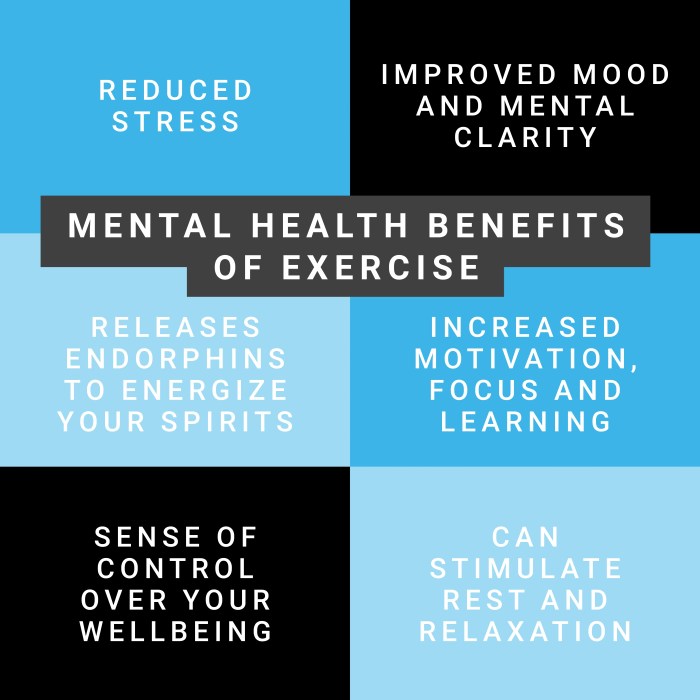
- Boosted mood, mental clarity, and reduced stress levels through regular exercise and achieving fitness milestones.
- Increased confidence, self-esteem, and body image as you reach your desired fitness level.
Balanced Nutrition
Balanced nutrition is essential for maintaining overall health and well-being. It involves consuming a variety of foods in the right proportions to provide the necessary nutrients for the body to function optimally.
Macronutrients and Micronutrients
Macronutrients, such as carbohydrates, proteins, and fats, are needed in larger quantities and provide energy for daily activities. On the other hand, micronutrients, including vitamins and minerals, are required in smaller amounts but play vital roles in various bodily functions.
- Carbohydrates: Main source of energy, found in foods like fruits, vegetables, whole grains, and legumes.
- Proteins: Essential for building and repairing tissues, present in foods like meat, poultry, fish, eggs, dairy, nuts, and seeds.
- Fats: Provide energy, aid in nutrient absorption, and support cell growth, found in sources like avocados, olive oil, nuts, and fatty fish.
- Vitamins and Minerals: Support immune function, bone health, and overall well-being, obtained from a diverse range of fruits, vegetables, whole grains, and dairy products.
Creating a Balanced Meal Plan
To ensure a balanced diet, focus on incorporating a variety of foods from different food groups in each meal. Aim for a colorful plate filled with fruits, vegetables, lean proteins, whole grains, and healthy fats. Portion control is also key to preventing overeating and maintaining a healthy weight.
Remember, balance is the key to good nutrition – moderation and variety are crucial for a well-rounded diet.
Mental Strength
Building mental strength is crucial for overall well-being and resilience in facing life’s challenges. It involves developing coping mechanisms, practicing mindfulness, and engaging in activities that promote a positive mindset.
Strategies for Building Mental Resilience
- Regular exercise: Physical activity can help reduce stress and improve mood, contributing to mental resilience.
- Healthy sleep habits: Prioritizing quality sleep can enhance cognitive function and emotional regulation, key components of mental strength.
- Seeking support: Connecting with friends, family, or a therapist can provide valuable emotional support during tough times.
- Setting boundaries: Establishing boundaries in relationships and work can help prevent burnout and maintain mental well-being.
Benefits of Mindfulness
- Mindfulness meditation: Practicing mindfulness can help reduce anxiety, improve focus, and enhance emotional regulation.
- Stress reduction: Mindfulness techniques can help individuals manage stress more effectively and cultivate a sense of calmness.
- Increased self-awareness: Mindfulness practices promote self-reflection and awareness of thoughts and emotions, leading to better self-understanding.
Activities to Improve Mental Strength
- Journaling: Writing down thoughts and feelings can help process emotions and enhance self-awareness.
- Yoga: Engaging in yoga practices can promote relaxation, reduce stress, and improve mental clarity.
- Volunteering: Giving back to the community can boost self-esteem, provide a sense of purpose, and foster positive emotions.
- Creative expression: Activities like painting, drawing, or playing music can serve as outlets for self-expression and stress relief.
Yoga Practice
Yoga is a holistic practice that combines physical postures, breathing techniques, and meditation to promote overall well-being. Incorporating yoga into a fitness routine can offer a wide range of physical and mental benefits.
Types of Yoga Practices
- Hatha Yoga: Focuses on basic postures and breathing exercises, great for beginners.
- Vinyasa Yoga: Involves flowing sequences that synchronize breath with movement.
- Ashtanga Yoga: A more physically demanding practice with a set series of poses.
- Bikram Yoga: Also known as hot yoga, performed in a heated room to increase flexibility.
- Yin Yoga: Targets deep connective tissues, promoting relaxation and flexibility.
Tips for Beginners Starting a Yoga Practice
- Start with beginner-friendly classes to learn the basics.
- Focus on your breath and listen to your body’s limits to prevent injury.
- Invest in a good quality yoga mat for comfort and stability during poses.
- Practice regularly to build strength, flexibility, and mental clarity.
- Don’t compare yourself to others; yoga is a personal journey of self-improvement.
Health Education
Health education plays a crucial role in promoting healthy lifestyle choices by providing individuals with the knowledge and skills they need to make informed decisions about their health. By raising awareness about the importance of physical activity, balanced nutrition, mental well-being, and preventive healthcare measures, health education empowers people to take control of their well-being and adopt behaviors that support overall health.
Examples of Effective Health Education Programs
- A school-based program that educates students about the benefits of regular exercise and healthy eating habits, leading to improved physical fitness and reduced risk of chronic diseases.
- A workplace wellness initiative that provides employees with information on stress management techniques, mindfulness practices, and ergonomics to enhance mental resilience and prevent burnout.
- A community health campaign that raises awareness about the importance of regular health screenings, vaccinations, and early detection of diseases to promote timely interventions and improve health outcomes.
Weight Management
Maintaining a healthy weight is crucial for overall health and well-being. It can reduce the risk of chronic diseases, improve energy levels, and enhance quality of life. Weight management involves a combination of healthy eating habits and regular physical activity.
Tips for Healthy Weight Management
- Focus on whole, nutrient-dense foods such as fruits, vegetables, lean proteins, and whole grains.
- Avoid processed foods high in added sugars, fats, and sodium.
- Practice portion control and mindful eating to avoid overeating.
- Stay hydrated by drinking plenty of water throughout the day.
- Incorporate regular exercise into your routine, aiming for at least 150 minutes of moderate-intensity activity per week.
Impact of Weight Management on Health
Effective weight management can lead to a reduced risk of conditions like heart disease, diabetes, and certain cancers. It can also improve mental health and overall quality of life.
Strategies for Overcoming Challenges
- Set realistic and achievable goals to avoid feeling overwhelmed.
- Seek support from friends, family, or a healthcare professional to stay motivated.
- Keep track of your progress through food and exercise journals or apps.
- Acknowledge and address emotional eating triggers to develop healthier coping mechanisms.
- Celebrate small victories along the way to maintain motivation and momentum.
Health Checkups
Regular health checkups are essential for maintaining overall well-being and detecting any potential health issues early on. By undergoing routine screenings and assessments, individuals can take proactive steps towards preventing and managing various health conditions.
Key Health Screenings
- Blood Pressure: Regular monitoring of blood pressure can help in the early detection of hypertension and reduce the risk of heart disease and stroke.
- Cholesterol Levels: Checking cholesterol levels can aid in preventing heart disease and other cardiovascular conditions.
- Blood Sugar: Monitoring blood sugar levels is crucial for individuals at risk of diabetes or those with a family history of the disease.
- Cancer Screenings: Depending on age and risk factors, individuals should undergo screenings for breast, cervical, colorectal, and prostate cancer.
- Bone Density: Women over 65 and men over 70 should consider bone density tests to evaluate the risk of osteoporosis.
Scheduling and Preparation Tips, Health awareness and healthy lifestyle choices
- Schedule Regular Appointments: Make it a habit to schedule annual checkups and screenings based on your age, gender, and medical history.
- Keep Track of Results: Maintain a record of your test results and discuss any concerns or abnormalities with your healthcare provider.
- Prepare for the Appointment: Write down any symptoms, questions, or concerns you have before the visit to ensure a productive discussion with your doctor.
- Follow Medical Recommendations: Adhere to any follow-up appointments, medications, or lifestyle changes recommended by your healthcare provider after the checkup.
Skin Health
Maintaining healthy skin is essential for overall well-being as it serves as a protective barrier against external factors. A good skincare routine can help keep the skin looking youthful and radiant.
Importance of Skincare Routines
Establishing a daily skincare routine can help in cleansing, hydrating, and protecting the skin. It can prevent issues like acne, dryness, and premature aging.
- Use a gentle cleanser to remove dirt and impurities without stripping the skin of its natural oils.
- Moisturize regularly to keep the skin hydrated and supple.
- Apply sunscreen daily to protect against harmful UV rays and prevent sun damage.
Protecting the Skin from Sun Damage
Sun exposure is one of the main causes of premature aging and skin damage. It is crucial to take steps to protect the skin from harmful UV rays.
- Use sunscreen with at least SPF 30 and reapply every 2 hours when outdoors.
- Wear protective clothing like hats and sunglasses to shield the skin from direct sunlight.
- Seek shade during peak sun hours to reduce exposure to harmful UV rays.
Skincare Products with Beneficial Ingredients
Choosing skincare products with beneficial ingredients can enhance the overall health and appearance of the skin.
- Look for products containing antioxidants like vitamin C and E to protect against environmental damage.
- Incorporate retinol in your skincare routine to promote cell turnover and reduce signs of aging.
- Use products with hyaluronic acid to hydrate and plump the skin for a more youthful appearance.
Emotional Health
Emotional health plays a crucial role in our overall well-being, impacting how we think, feel, and act in our daily lives. It is closely linked to our mental, physical, and social health, influencing our ability to cope with stress, build healthy relationships, and make positive life choices.
Impact of Stress on Emotional Health
Stress can have a significant impact on our emotional health, leading to feelings of anxiety, depression, and irritability. Prolonged stress can weaken our immune system, disrupt our sleep patterns, and increase the risk of developing chronic illnesses. To manage stress effectively, it is essential to practice relaxation techniques such as deep breathing, meditation, or yoga. Engaging in physical activities, maintaining a healthy diet, and seeking support from friends, family, or mental health professionals can also help alleviate stress and promote emotional well-being.
Activities Promoting Emotional Well-being
- Practicing mindfulness and meditation to increase self-awareness and reduce negative emotions.
- Engaging in hobbies and activities that bring joy and fulfillment, such as painting, gardening, or playing music.
- Connecting with nature by spending time outdoors, going for a walk, or simply enjoying the beauty of the natural environment.
- Cultivating positive relationships with supportive friends and family members who can provide emotional comfort and encouragement.
- Setting boundaries and learning to say no to activities or relationships that drain your emotional energy.
- Seeking professional help from therapists, counselors, or support groups to process and manage difficult emotions effectively.
Health Motivation
Maintaining a healthy lifestyle can be challenging, but staying motivated is key to long-term success. Whether you’re working on fitness goals, weight management, or overall wellness, finding ways to stay motivated is crucial. Setting goals and celebrating achievements play a significant role in keeping you on track and motivated.
Role of Setting Goals and Celebrating Achievements
Setting specific, measurable, attainable, relevant, and time-bound (SMART) goals can help you stay focused and motivated. Breaking down larger goals into smaller milestones allows you to track your progress and celebrate achievements along the way. For example, if your goal is to exercise more, setting a target of working out three times a week and celebrating each workout completed can boost your motivation.
- Setting goals provides a clear direction and purpose for your health journey.
- Celebrating achievements, no matter how small, reinforces positive behavior and boosts self-confidence.
- Tracking progress allows you to see how far you’ve come and motivates you to continue on your path.
External Factors Influencing Health Motivation
External factors can have a significant impact on your motivation to maintain a healthy lifestyle. These factors can either support or hinder your efforts, so it’s essential to be aware of how they influence your motivation.
- Your social circle and support system can provide encouragement and accountability, boosting your motivation.
- Access to resources such as healthy food options, fitness facilities, and wellness programs can make it easier to stay on track.
- Stress levels, work demands, and environmental factors can affect your motivation and ability to prioritize health goals.
Physical Activities
Regular physical activity is essential for maintaining overall health and well-being. It not only helps in managing weight but also reduces the risk of chronic diseases, improves mental health, and boosts energy levels.
Types of Physical Activities and Their Impact
- Aerobic exercises, such as running, swimming, and cycling, improve cardiovascular health and increase endurance.
- Strength training, like weightlifting or bodyweight exercises, helps in building muscle mass and strength.
- Flexibility exercises, including yoga and pilates, enhance range of motion and reduce the risk of injuries.
- Balance exercises, such as tai chi, improve stability and coordination, especially in older adults.
Tips for Incorporating Physical Activity
- Schedule workouts in advance and treat them as important appointments.
- Choose activities you enjoy to make exercise more sustainable in the long run.
- Break up exercise into shorter sessions throughout the day if finding time for a long workout is challenging.
- Set realistic goals and track your progress to stay motivated.
Health Awareness
Raising awareness about various health issues is crucial in educating the public and promoting a healthier lifestyle. By increasing awareness, individuals can become more informed about potential risks, symptoms, and preventive measures for different health conditions.
Importance of Health Awareness Campaigns
- Health awareness campaigns play a vital role in promoting preventive healthcare by educating individuals about the importance of early detection and regular check-ups.
- These campaigns help in dispelling myths, reducing stigma, and encouraging people to adopt healthy habits and lifestyle choices.
- By raising awareness about specific health issues, such as diabetes, heart disease, or mental health, communities can work towards improving overall well-being and quality of life.
Examples of Successful Health Awareness Initiatives
-
Breast Cancer Awareness Month:
This annual campaign in October aims to increase awareness about breast cancer, promote early detection through screenings, and provide support for those affected by the disease.
-
World AIDS Day:
Observed on December 1st, this global initiative raises awareness about HIV/AIDS, fights stigma, and commemorates those who have lost their lives to the disease.
-
Movember:
This campaign in November focuses on men’s health issues, such as prostate cancer and mental health, encouraging men to prioritize their well-being and seek medical help when needed.
Preventive Medicine
Preventive medicine plays a crucial role in maintaining overall health and wellness by focusing on preventing diseases before they occur. By taking proactive measures, individuals can reduce the risk of developing various health conditions and improve their quality of life.
Regular Screenings and Vaccinations
Regular screenings and vaccinations are essential components of preventive care as they help detect potential health issues early on and protect against preventable diseases. Screenings such as mammograms, colonoscopies, blood pressure checks, and cholesterol tests can identify conditions in their early stages when they are more treatable. Vaccinations, on the other hand, help prevent infectious diseases like flu, measles, and HPV.
Examples of Preventive Medicine Practices
- Healthy lifestyle choices such as regular exercise, balanced nutrition, and stress management can prevent chronic conditions like heart disease, diabetes, and obesity.
- Regular health check-ups with healthcare providers can help monitor overall health status and identify any potential risks or abnormalities.
- Screening tests for conditions such as cervical cancer, prostate cancer, and osteoporosis can lead to early detection and improved treatment outcomes.
- Vaccinations for diseases like influenza, hepatitis, and human papillomavirus (HPV) can prevent infections and related complications.
Nutritional Counseling: Health Awareness And Healthy Lifestyle Choices
Nutritional counseling plays a crucial role in helping individuals improve their diet and overall health. By working with a professional counselor, individuals can receive personalized guidance and support to make sustainable changes to their eating habits.
Nutritional counselors take into account an individual’s unique needs, preferences, and goals to create personalized meal plans. These plans are tailored to ensure that individuals receive the right balance of nutrients, vitamins, and minerals needed for optimal health and well-being.
Success Stories
- One success story involves a client who struggled with weight management and unhealthy eating habits. Through nutritional counseling, they learned how to make healthier food choices and create a balanced meal plan. As a result, they not only lost weight but also experienced increased energy levels and improved overall well-being.
- Another individual sought nutritional counseling to address digestive issues and food intolerances. With the guidance of a counselor, they were able to pinpoint trigger foods and make dietary adjustments that alleviated their symptoms and improved their quality of life.
- A client looking to enhance their athletic performance turned to nutritional counseling for guidance on fueling their body effectively. By following a personalized meal plan tailored to their training regimen, they were able to achieve their fitness goals and optimize their performance on the field.
Healthy Mind
Maintaining a healthy mind is just as crucial as taking care of your physical health. The mind and body are intricately connected, and one’s mental well-being can significantly impact their overall health and wellness.
Connection between a Healthy Mind and a Healthy Body
Our mental state can influence our physical health in various ways. Stress, anxiety, and other mental health issues can lead to physical symptoms like headaches, digestive problems, and weakened immune function. On the other hand, a positive mindset, emotional resilience, and good mental health practices can contribute to better physical health outcomes.
Impact of Mental Well-being on Physical Health
- Reduced risk of chronic diseases: Managing stress and maintaining good mental health can lower the risk of developing chronic conditions such as heart disease, diabetes, and obesity.
- Improved immune function: Positive emotions and a healthy mindset can strengthen the immune system, making the body more resilient to illnesses.
- Better sleep quality: Mental well-being plays a significant role in regulating sleep patterns, ensuring restful and rejuvenating sleep.
- Enhanced recovery: Individuals with a healthy mind tend to recover faster from injuries or illnesses due to better overall resilience and coping mechanisms.
Tips for Maintaining a Healthy Mind
- Practice mindfulness: Engage in activities like meditation, deep breathing exercises, and yoga to enhance self-awareness and reduce stress.
- Prioritize self-care: Take time for activities that bring you joy, relaxation, and fulfillment, such as hobbies, spending time with loved ones, or indulging in a favorite pastime.
- Seek support when needed: Don’t hesitate to reach out to friends, family, or mental health professionals for assistance during challenging times.
- Stay physically active: Regular exercise can boost mood, reduce anxiety, and improve overall mental well-being.
Clarifying Questions
How can I prepare healthy snacks at home?
To prepare healthy snacks at home, opt for fresh fruits, vegetables, nuts, and seeds. Avoid processed foods and sugary snacks.
What are the benefits of participating in workplace wellness programs?
Workplace wellness programs can improve employee health, boost morale, and increase productivity.
How does health education empower individuals to make informed decisions?
Health education provides individuals with knowledge about healthy lifestyle choices, enabling them to make informed decisions about their health.
What is the role of a health coach in helping individuals achieve their health goals?
A health coach provides guidance, support, and motivation to individuals in achieving their health goals through personalized plans and accountability.
How can I incorporate physical activity into my daily routine?
You can incorporate physical activity into your daily routine by taking the stairs, walking or biking to work, or engaging in short exercise sessions throughout the day.