Importance of hydration in balanced nutrition: Understanding the Vital Role of Water

Importance of hydration in balanced nutrition

Importance of Hydration in Balanced Nutrition

Importance of hydration in balanced nutrition – Hydration plays a crucial role in maintaining overall health. The significance of water in supporting bodily functions cannot be overstated. Staying hydrated is essential for optimal wellness, while dehydration can have a detrimental impact on the body’s performance.

Role of Water in Supporting Bodily Functions

Water is essential for various bodily functions, including:

  • Regulating body temperature
  • Transporting nutrients and oxygen to cells
  • Removing waste and toxins from the body
  • Lubricating joints and tissues

Benefits of Staying Hydrated

Maintaining proper hydration levels offers numerous benefits, such as:

  • Improved digestion and nutrient absorption
  • Enhanced physical performance and endurance
  • Clearer skin and better complexion
  • Boosted immune system function

Impact of Dehydration on the Body’s Performance

Dehydration can lead to various negative effects on the body, including:

  • Reduced energy levels and fatigue
  • Impaired cognitive function and focus
  • Muscle cramps and decreased physical performance
  • Increased risk of heat-related illnesses

Healthy Snacks

When it comes to choosing snacks, opting for hydrating options can be beneficial for overall health and well-being. Hydrating snacks can help maintain proper hydration levels and contribute to a balanced diet.

Nutritious Hydrating Snack Options

  • Cucumber slices with hummus: Cucumbers have a high water content and are a great source of hydration. Pairing them with protein-rich hummus makes for a satisfying and nutritious snack.
  • Watermelon chunks: Watermelon is not only delicious but also incredibly hydrating due to its high water content. Enjoying watermelon as a snack can help keep you hydrated throughout the day.
  • Greek yogurt with berries: Greek yogurt is a good source of protein and calcium, while berries are packed with antioxidants and water. Combining the two creates a tasty and hydrating snack option.

Benefits of Hydrating Snacks

Incorporating hydrating foods into snack choices can help prevent dehydration, support digestion, and promote overall hydration levels in the body. Hydrating snacks can also contribute to a feeling of fullness and satisfaction between meals.

Easy Hydrating Snack Recipes, Importance of hydration in balanced nutrition

Cucumber and Tomato Salad:

Ingredients:

  • 1 cucumber, sliced
  • 1 cup cherry tomatoes, halved
  • 2 tbsp olive oil
  • 1 tbsp balsamic vinegar
  • Salt and pepper to taste

Instructions:

  1. In a bowl, combine cucumber and cherry tomatoes.
  2. Drizzle olive oil and balsamic vinegar over the vegetables.
  3. Season with salt and pepper, then toss to combine.
  4. Refrigerate for 30 minutes before serving.

Hydration Levels of Various Snack Options

Snack Option Hydration Level
Cucumber slices with hummus High
Watermelon chunks Very high
Greek yogurt with berries Moderate

Wellness Programs

Wellness programs play a crucial role in promoting overall health and well-being by focusing on various aspects of a person’s lifestyle, including nutrition and hydration.

Integration of Hydration in Wellness Programs

Hydration is often integrated into wellness programs through educational sessions, personalized hydration plans, and regular monitoring of fluid intake. These programs emphasize the importance of staying hydrated throughout the day and provide practical tips on how to maintain optimal hydration levels.

Importance of Hydration in Achieving Wellness Goals

  • Proper hydration supports various bodily functions, such as digestion, circulation, and temperature regulation, which are essential for overall wellness.
  • Hydration helps in maintaining energy levels, improving cognitive function, and enhancing physical performance, allowing individuals to better engage in exercise and other wellness activities.
  • By staying adequately hydrated, individuals can prevent dehydration-related issues like fatigue, headaches, and muscle cramps, thus supporting their overall well-being.

Success Stories of Individuals Improving Wellness Through Hydration

“After incorporating daily hydration goals into my routine as part of a wellness program, I noticed a significant improvement in my energy levels and overall mood. Hydration became a key factor in helping me achieve my wellness goals.”

Components of Comprehensive Wellness Program with Hydration Guidelines

1. Personalized Hydration Plans: Individuals receive customized hydration recommendations based on their activity levels, body weight, and environmental conditions.
2. Educational Workshops: Interactive sessions are conducted to educate participants about the importance of hydration, signs of dehydration, and strategies to maintain proper fluid balance.
3. Hydration Monitoring: Regular tracking of fluid intake and hydration status to ensure individuals are meeting their hydration goals and making necessary adjustments.

Physical Therapy

Hydration plays a crucial role in physical therapy, affecting outcomes and overall progress. Staying hydrated is essential for muscle recovery, injury prevention, and optimizing the results of physical therapy sessions.

Relationship between Hydration and Physical Therapy Outcomes

  • Proper hydration helps in maintaining muscle function and flexibility during physical therapy sessions.
  • Dehydration can lead to muscle cramps, decreased energy levels, and reduced performance during exercises.
  • Hydration supports the body’s ability to heal and repair, aiding in faster recovery from injuries.

How Staying Hydrated Aids in Muscle Recovery and Injury Prevention

  • Hydration helps in flushing out toxins from the muscles, reducing soreness and enhancing recovery.
  • Water is essential for lubricating joints and supporting the elasticity of muscles, preventing injuries.
  • Proper hydration maintains the body’s temperature regulation, preventing overheating during intense physical therapy sessions.

Tips for Maintaining Hydration Levels during Physical Therapy Sessions

  • Carry a reusable water bottle and sip water regularly throughout the day.
  • Monitor urine color to ensure it stays light yellow, indicating adequate hydration.
  • Incorporate hydrating foods like fruits, vegetables, and soups into your diet to supplement water intake.

Role of Hydration in Optimizing Physical Therapy Results

  • Hydration enhances circulation, delivering nutrients to muscles and tissues for faster recovery.
  • Proper hydration improves stamina and endurance, allowing for better performance during physical therapy exercises.
  • Optimal hydration levels support overall well-being, contributing to a successful physical therapy journey.

Health Coaching

Hydration plays a crucial role in health coaching sessions as it directly impacts the overall health and well-being of clients. Health coaches focus on educating and motivating individuals to adopt healthy habits, including maintaining proper hydration levels.

Role of Hydration in Health Coaching

  • Health coaches emphasize the importance of hydration in supporting various bodily functions, such as digestion, metabolism, and cognitive function.
  • They educate clients on the signs of dehydration and the negative effects it can have on health, such as fatigue, headaches, and impaired physical performance.

Strategies to Encourage Hydration Habits

  • Health coaches recommend keeping a water bottle handy and setting reminders to drink water throughout the day.
  • They may suggest flavoring water with fruits or herbs to make it more appealing and encourage increased intake.
  • Health coaches also help clients track their daily water intake to ensure they are meeting their hydration goals.

Impact of Hydration on Overall Health

  • Adequate hydration supports proper nutrient absorption and helps the body eliminate waste and toxins efficiently.
  • Proper hydration is essential for maintaining healthy skin, joint function, and overall cognitive function.

Incorporating Hydration Goals into Coaching Programs

  • Health coaches set specific hydration goals for clients based on their individual needs and lifestyle.
  • They work with clients to develop a hydration plan that fits their schedule and preferences, ensuring long-term adherence.
  • Health coaches monitor clients’ progress towards their hydration goals and provide support and guidance to overcome any challenges.

Medical Advancements

Recent advancements in the medical field have brought about innovative approaches to understanding the crucial role of hydration and nutrition in overall health. Technology has played a key role in tracking hydration levels and improving nutritional intake, leading to better health outcomes for individuals.

Technology-Enabled Hydration Tracking

  • Wearable devices such as smart water bottles and hydration trackers have revolutionized the way individuals monitor their daily water intake.
  • Mobile apps with hydration reminders and personalized recommendations based on individual needs have made it easier for people to stay hydrated throughout the day.
  • Smart scales and bioelectrical impedance analysis devices can provide insights into body composition, including hydration levels, helping individuals make informed decisions about their nutritional intake.

Enhanced Understanding of Hydration’s Impact

  • Medical imaging techniques like magnetic resonance imaging (MRI) and positron emission tomography (PET) scans have allowed researchers to study the effects of hydration on organ function and overall health.
  • Advanced blood tests can now assess hydration status by measuring electrolyte levels and kidney function, providing a comprehensive view of an individual’s hydration status.
  • Research studies utilizing artificial intelligence (AI) algorithms have further deepened our understanding of how hydration impacts cognitive function, physical performance, and metabolic processes.

Innovative Approaches to Promoting Hydration

  • Hospitals and healthcare facilities are implementing hydration stations equipped with flavored water options and interactive screens displaying hydration tips to encourage patients to stay hydrated during their stay.
  • Fitness centers and wellness programs are incorporating hydration challenges and competitions to motivate participants to drink more water and maintain optimal hydration levels.
  • Nutritionists and health coaches are using virtual reality (VR) simulations to educate clients about the importance of hydration and simulate scenarios to demonstrate the impact of dehydration on the body.

Fitness Goals

When it comes to achieving fitness goals, hydration plays a crucial role in supporting overall performance and recovery.

Connection between Hydration and Fitness Goals

Proper hydration is essential for maintaining energy levels, regulating body temperature, and supporting muscle function during workouts. Dehydration can lead to decreased exercise performance, muscle cramps, and fatigue, making it harder to reach fitness goals.

Hydration and Workout Performance

  • Stay hydrated before, during, and after exercise to optimize performance.
  • Drink water or electrolyte-rich beverages to replenish fluids lost through sweat.
  • Monitor your hydration levels by checking the color of your urine – aim for pale yellow to clear urine as a sign of adequate hydration.

Hydration Strategies for Fitness Goals

  • Carry a reusable water bottle with you throughout the day to ensure you are consistently hydrating.
  • Incorporate hydrating foods like fruits and vegetables into your diet to increase overall water intake.
  • Avoid excessive caffeine and alcohol consumption, as they can contribute to dehydration.

Tips for Staying Hydrated During Exercise Routines

  • Drink 8-16 ounces of water 1-2 hours before your workout.
  • Hydrate with 4-8 ounces of water every 15-20 minutes during exercise, especially in hot or humid conditions.
  • Replenish fluids post-workout with a combination of water and electrolyte-rich beverages to support recovery.

Balanced Nutrition

Ensuring proper hydration is a key component of maintaining a well-rounded, balanced diet. Hydration plays a crucial role in supporting various bodily functions and overall health.

The Role of Hydration in a Balanced Diet

Hydration is essential for the body to effectively digest, absorb, and transport nutrients from food. It also helps regulate body temperature, lubricate joints, and flush out toxins. When combined with other essential nutrients, such as proteins, carbohydrates, fats, vitamins, and minerals, hydration contributes to optimal nutrition.

  • Include hydrating foods in your diet: Incorporate fruits and vegetables with high water content, such as cucumbers, watermelon, oranges, and spinach.
  • Drink an adequate amount of water: Aim to drink at least 8-10 glasses of water per day, or more depending on your activity level and climate.
  • Avoid excessive sugary and caffeinated beverages: Limit the intake of sodas, energy drinks, and sugary juices, as they can lead to dehydration.

Creating a Balanced Meal Plan with Hydration in Mind

When planning your meals, focus on incorporating hydrating foods and beverages to maintain proper hydration levels throughout the day. Here are some examples of meal plans that prioritize hydration alongside other nutritional needs:

Breakfast Lunch Dinner
Greek yogurt with berries and a glass of water Grilled chicken salad with cucumbers and tomatoes Salmon with quinoa and steamed broccoli
Whole grain toast with avocado and a side of watermelon Veggie wrap with hummus and a side of sliced bell peppers Vegetable stir-fry with tofu and a side of mixed greens

Mental Strength

Hydration plays a crucial role in supporting mental resilience and overall cognitive function. Staying hydrated is not only important for physical health but also for emotional well-being.

Link Between Hydration and Mental Resilience

Proper hydration is essential for maintaining optimal brain function. Dehydration can lead to cognitive decline, affecting focus, memory, and decision-making abilities. By staying hydrated, individuals can enhance their mental resilience and ability to cope with stress and challenges.

Supporting Cognitive Function and Emotional Well-being

  • Hydration helps transport nutrients and oxygen to the brain, supporting cognitive function and mental clarity.
  • Drinking enough water can improve mood and reduce feelings of anxiety and depression.
  • Dehydration can impair short-term memory, so staying hydrated is key for mental sharpness.

Strategies for Maintaining Hydration

  • Carry a reusable water bottle with you throughout the day to remind yourself to drink water regularly.
  • Set reminders on your phone or computer to take water breaks at intervals.
  • Incorporate hydrating foods like fruits, vegetables, and soups into your diet.

Importance of Hydration for Overall Mental Health

Hydration is not just about physical health; it is equally important for mental well-being. Adequate hydration can boost cognitive performance, enhance emotional stability, and contribute to overall mental health and resilience.

Yoga Practice

Hydration is crucial in yoga practice as it helps maintain the body’s fluid balance, especially during intense sessions that can lead to sweating and fluid loss. Proper hydration supports overall physical and mental well-being during yoga practice, allowing practitioners to perform at their best.

Significance of Hydration in Yoga Practice

  • Hydration improves flexibility and focus: Staying hydrated ensures that muscles and joints remain lubricated, leading to increased flexibility and reduced risk of injury during yoga poses. Proper hydration also enhances mental clarity and focus, allowing practitioners to fully engage in their practice.
  • Hydration rituals in yoga routines: Incorporating hydration rituals into yoga routines can help establish a sense of mindfulness and self-care. Taking intentional water breaks between poses or sipping water infused with electrolytes can enhance hydration levels and support optimal performance.
  • Benefits of combining hydration with mindfulness practices: Yoga, a practice that emphasizes mindfulness and presence, can be enhanced by incorporating hydration as a mindful ritual. Focusing on hydration during yoga sessions can deepen the mind-body connection and cultivate a sense of holistic well-being.

Health Education

Health education plays a crucial role in promoting hydration as part of a healthy lifestyle. By educating individuals about the importance of staying hydrated, health education programs can empower people to make informed choices that benefit their overall well-being.

Role of Hydration in Health Education Programs

  • Hydration is often emphasized in health education programs to highlight its role in maintaining proper bodily functions and supporting overall health.
  • These programs educate individuals on the signs of dehydration, the benefits of adequate water intake, and how hydration impacts various aspects of health.
  • By incorporating hydration education, individuals can learn how to prioritize drinking water and staying hydrated throughout the day.

Impact of Educating Individuals about Hydration

  • Education on hydration can lead to individuals making conscious choices to drink more water and reduce the consumption of sugary beverages.
  • Understanding the importance of hydration can motivate people to carry water bottles with them, track their daily intake, and develop healthier habits.
  • Individuals who are well-informed about hydration are more likely to recognize the signs of dehydration and take proactive steps to prevent it.

Examples of Effective Health Education Initiatives

  • Hydration challenges in workplaces or schools to encourage regular water intake and promote awareness about the benefits of hydration.
  • Online resources, such as hydration trackers and educational videos, that provide accessible information on the importance of staying hydrated.
  • Collaborations with healthcare professionals to incorporate hydration education into wellness programs and medical consultations.

Importance of Including Hydration in Public Health Campaigns

  • Public health campaigns that focus on hydration can address widespread issues like dehydration-related illnesses and promote healthier hydration habits in communities.
  • By raising awareness about hydration through campaigns, governments and organizations can tackle preventable health concerns and improve overall well-being.
  • Including hydration in public health initiatives can help reduce healthcare costs associated with dehydration-related conditions and enhance the quality of life for individuals.

Weight Management

Hydration plays a crucial role in weight management, as it can impact our metabolism, energy levels, and overall health. Staying hydrated is essential for supporting weight loss or weight maintenance efforts.

Relationship Between Hydration and Weight Management

  • Drinking an adequate amount of water can help boost metabolism, making it easier to burn calories and lose weight.
  • Staying hydrated can reduce feelings of hunger and cravings, preventing overeating and supporting weight loss goals.
  • Proper hydration supports overall health, which is essential for maintaining a healthy weight in the long term.

Using Hydration to Curb Cravings and Improve Metabolism

  • Start your day with a glass of water to kickstart your metabolism and stay hydrated throughout the day.
  • Replace sugary drinks or snacks with water to reduce calorie intake and support weight loss efforts.
  • Drink water before meals to help control portion sizes and prevent overeating.

Successful Weight Management Plans that Prioritize Hydration

  • The Mediterranean diet includes plenty of hydrating foods like fruits, vegetables, and soups, while also encouraging water consumption.
  • Intermittent fasting plans often recommend staying hydrated during fasting periods to support weight loss and overall health.
  • Weight loss programs that emphasize the importance of hydration as part of a balanced diet and exercise routine tend to see more sustainable results.

Health Checkups

Regular health checkups are essential for maintaining overall well-being and detecting any potential health issues early on. Hydration levels play a crucial role in these assessments as they can provide valuable insights into a person’s health status. Healthcare providers evaluate hydration levels during checkups to ensure that the body is functioning optimally and to identify any dehydration or fluid imbalance.

Assessment of Hydration Levels

  • Healthcare providers may look for physical signs of dehydration such as dry mouth, sunken eyes, or decreased skin elasticity.
  • They may also analyze lab results, including blood tests and urine analysis, to assess hydration status.
  • Monitoring vital signs like blood pressure and heart rate can also indicate hydration levels in the body.

Importance of Communication

During medical appointments, it is crucial to communicate your hydration habits to healthcare providers. By sharing information about your fluid intake, they can better understand your overall health and provide tailored recommendations if needed. Open communication can help in addressing any hydration-related concerns and ensuring proper hydration levels for optimal well-being.

Tips for Preparation

  • Drink an adequate amount of water leading up to your health checkup to ensure accurate hydration assessments.
  • Avoid excessive caffeine or alcohol consumption, as they can impact hydration levels.
  • Keep a record of your fluid intake in the days leading up to the appointment to provide a comprehensive overview of your hydration habits.

Skin Health

Hydration plays a crucial role in maintaining healthy and glowing skin. When your body is properly hydrated, it helps to flush out toxins, improve circulation, and promote skin cell regeneration.

Impact of Hydration on Skin Health

  • Proper hydration helps to maintain skin elasticity and firmness, reducing the appearance of wrinkles and fine lines.
  • Dehydration can lead to dry, flaky skin, making it more prone to irritation and inflammation.
  • Drinking an adequate amount of water can help to improve skin texture and tone, giving you a radiant complexion.

Skincare Routines for Glowing Skin

  • Aside from drinking water, incorporating hydrating foods like fruits and vegetables into your diet can boost skin hydration from within.
  • Using moisturizers and serums with hyaluronic acid can help to retain moisture in the skin and enhance its hydration levels.
  • Regularly exfoliating and applying face masks can help to remove dead skin cells and promote better absorption of skincare products.

Connection Between Hydration and Skin Conditions

  • Dehydration can exacerbate skin conditions such as eczema, psoriasis, and acne, making them more difficult to manage.
  • Keeping the skin well-hydrated can help to alleviate symptoms of certain skin conditions and promote faster healing.
  • Drinking water and maintaining proper hydration levels can also help to reduce inflammation and redness associated with skin conditions.

Emotional Health

Importance of hydration in balanced nutrition
Proper hydration is not only essential for physical health but also plays a crucial role in supporting emotional well-being. Dehydration can have a significant impact on mood and mental health, affecting cognitive function and overall emotional balance.

Role of Hydration in Emotional Well-being

Maintaining adequate hydration levels is essential for optimal brain function and emotional health. Dehydration can lead to symptoms such as fatigue, irritability, and decreased focus, all of which can negatively impact emotional well-being. By staying hydrated, you can support proper brain function and improve your mood.

  • Hydration helps regulate neurotransmitter function in the brain, which is important for mood stability.
  • Proper hydration can enhance cognitive function, allowing for better decision-making and emotional regulation.
  • Dehydration has been linked to increased feelings of stress and anxiety, emphasizing the importance of staying hydrated for emotional well-being.

Coping Strategies for Emotional Health through Hydration

To manage emotional health through hydration, consider the following strategies:

  • Carry a reusable water bottle with you throughout the day to ensure you stay hydrated.
  • Set reminders or establish a routine for drinking water regularly, especially during times of high stress.
  • Incorporate hydrating foods such as fruits and vegetables into your diet to supplement your fluid intake.
  • Practice mindful drinking by paying attention to your body’s thirst cues and responding promptly.

Interconnection Between Emotional Health and Hydration Habits

Examples of how emotional health is intertwined with hydration habits include:

  • Feeling more energetic and positive after drinking water when experiencing emotional lows.
  • Noticing improved concentration and mental clarity after ensuring adequate hydration levels.
  • Recognizing a decrease in feelings of anxiety and stress when consistently staying hydrated throughout the day.

Health Motivation

Hydration plays a crucial role in motivating individuals to adopt healthy habits. By understanding the impact of staying hydrated on overall motivation levels, people can harness this knowledge to enhance their well-being and drive towards their health goals.

Hydration as a Motivational Factor

  • Hydration serves as a reminder to prioritize self-care and listen to the body’s needs.
  • Proper hydration can boost energy levels, leading to increased motivation for physical activity and overall wellness.
  • Individuals who make hydration a priority often experience improved mood and mental clarity, contributing to their motivation to maintain healthy habits.

Stories of Motivation Through Hydration

  • Athletes who focus on hydration see improvements in their performance and are motivated to continue hydrating properly to sustain their progress.
  • Busy professionals who stay hydrated throughout the day report feeling more alert and productive, inspiring them to maintain hydration as a daily habit.
  • Parents who prioritize hydration for themselves and their families set a positive example, motivating everyone to stay hydrated and healthy together.

Tips for Enhancing Health Motivation with Hydration Goals

  • Set specific hydration goals, such as drinking a certain amount of water each day, to track progress and stay motivated.
  • Use hydration as a reward system for achieving other health-related goals, reinforcing positive behaviors.
  • Experiment with infused water or herbal teas to make hydration more enjoyable and maintain motivation over time.

Physical Activities

Staying hydrated is crucial for optimal performance during physical activities. Proper hydration before, during, and after exercise can significantly impact your overall health and fitness goals.

Importance of Hydration in Physical Activities

  • Before Exercise: Drinking an adequate amount of water before starting your workout helps maintain fluid balance and prevents dehydration. It also ensures that your muscles are well-hydrated for optimal performance.
  • During Exercise: Hydrating during physical activities is essential to replace fluids lost through sweat. Dehydration can lead to decreased endurance, muscle cramps, and heat-related illnesses.
  • After Exercise: Rehydrating after a workout helps in the recovery process by replenishing lost fluids and nutrients. It also aids in muscle repair and reduces the risk of post-exercise fatigue.

Hydration Best Practices for Different Physical Activities

  • Endurance Training (e.g., Running, Cycling): Drink water or sports drinks with electrolytes to replace lost fluids and minerals during long workouts.
  • Strength Training (e.g., Weightlifting): Hydrate before and after your strength training session to support muscle function and recovery.
  • High-Intensity Interval Training (HIIT): Sip water throughout your HIIT workout to maintain hydration levels and performance.

Optimizing Performance with Proper Hydration

Proper hydration can improve your physical performance by enhancing endurance, strength, and overall workout efficiency. By maintaining optimal fluid balance, you can achieve your fitness goals more effectively and reduce the risk of injuries related to dehydration.

Health Awareness

Raising awareness about hydration in the community is crucial for promoting overall health and well-being. By educating individuals about the importance of staying hydrated, we can help prevent dehydration-related health issues and encourage the adoption of healthy hydration habits.

The Impact of Health Awareness on Hydration

Increased health awareness plays a significant role in improving hydration habits among individuals. When people are informed about the benefits of proper hydration, such as improved physical performance, better skin health, and enhanced cognitive function, they are more likely to prioritize drinking an adequate amount of water daily.

  • Initiatives like community workshops, educational campaigns, and online resources can help spread awareness about the importance of hydration.
  • Health professionals, including nutritionists, doctors, and health coaches, can also play a key role in educating their patients and clients about the significance of staying hydrated.
  • Collaborations with local schools, workplaces, and fitness centers to promote hydration challenges or contests can further engage the community in developing healthy hydration practices.

Community support can have a positive impact on individual hydration practices by creating a culture that values and prioritizes hydration as an essential component of a healthy lifestyle.

Preventive Medicine

Hydration is a crucial aspect of preventive medicine as it plays a significant role in maintaining overall health and well-being.

The Role of Hydration in Preventive Medicine

Staying hydrated can help prevent various health conditions by supporting essential bodily functions and processes. Adequate hydration is essential for proper digestion, nutrient absorption, temperature regulation, and toxin removal.

  • Dehydration can lead to serious health issues such as kidney stones, urinary tract infections, and even heat-related illnesses.
  • Proper hydration is also essential for maintaining healthy skin, as dehydration can lead to dryness, premature aging, and skin disorders.
  • Hydration plays a key role in preventing muscle cramps, fatigue, and cognitive decline, ensuring optimal physical and mental performance.

Preventive Measures with Hydration

Preventive measures that include hydration as a key component focus on ensuring individuals maintain adequate fluid intake throughout the day.

  • Encouraging the consumption of water-rich foods such as fruits and vegetables can contribute to overall hydration levels.
  • Setting reminders to drink water regularly and carrying a reusable water bottle can help individuals stay hydrated throughout the day.
  • Incorporating electrolyte-rich beverages or foods can be beneficial, especially after physical activity or in hot weather conditions.

Long-Term Benefits of Prioritizing Hydration

Prioritizing hydration for preventive health care offers numerous long-term benefits that contribute to overall well-being and disease prevention.

  • Reducing the risk of chronic conditions such as cardiovascular disease, diabetes, and certain types of cancer through proper hydration and healthy lifestyle habits.
  • Promoting optimal kidney function by ensuring sufficient fluid intake to support the filtration and elimination of waste products from the body.
  • Enhancing immune function and overall resilience to infections and illnesses by maintaining proper hydration levels to support immune responses.

Nutritional Counseling

Nutritional counseling plays a crucial role in helping individuals achieve their health and wellness goals. Hydration is a key component of balanced nutrition and is often addressed in counseling sessions to ensure overall well-being.

Addressing Hydration in Nutritional Counseling

Nutritional counselors emphasize the importance of hydration in personalized nutrition plans to optimize the body’s functions and support overall health. Adequate hydration is essential for digestion, nutrient absorption, circulation, and temperature regulation.

  • Encourage clients to drink water regularly throughout the day to maintain hydration levels.
  • Discuss the impact of sugary drinks and excessive caffeine on hydration status and suggest healthier alternatives.
  • Educate clients on the signs of dehydration and the importance of listening to their body’s thirst cues.

Importance of Considering Hydration in Personalized Nutrition Plans

Incorporating hydration into personalized nutrition plans helps clients achieve optimal health outcomes by ensuring they meet their daily fluid needs. Proper hydration can enhance physical performance, cognitive function, and overall well-being.

Remember, hydration is just as important as the food we eat when it comes to maintaining a healthy lifestyle.

Tips for Assessing and Improving Clients’ Hydration Status

Nutritionists can assess clients’ hydration status by evaluating their fluid intake, urine color, and physical symptoms of dehydration. They can then provide personalized recommendations to improve hydration levels, such as setting hydration goals, monitoring progress, and adjusting fluid intake as needed.

  • Encourage clients to carry a reusable water bottle and track their daily water intake.
  • Recommend hydrating foods like fruits and vegetables to supplement fluid intake.
  • Provide strategies to overcome barriers to staying hydrated, such as busy schedules or dislike of plain water.

Impact of Hydration on the Effectiveness of Nutritional Counseling

Hydration plays a significant role in the effectiveness of nutritional counseling by influencing nutrient absorption, metabolism, and overall health outcomes. Clients who prioritize hydration are more likely to experience positive changes in their dietary habits, energy levels, and overall well-being.

Healthy Mind

Maintaining proper hydration is not only essential for physical health but also plays a crucial role in supporting a healthy mind. Dehydration can have a significant impact on cognitive functions, mental clarity, and overall mental well-being.

Connection Between Hydration and a Healthy Mind

Proper hydration is necessary for the brain to function optimally. When dehydrated, the brain can experience decreased cognitive abilities, difficulty focusing, and reduced memory retention. Hydration is vital for maintaining the balance of neurotransmitters in the brain, which are essential for mood regulation and overall mental health.

  • Drinking an adequate amount of water throughout the day helps in improving concentration and alertness.
  • Hydration supports the brain in performing at its best, promoting mental clarity and sharpness.
  • Proper hydration can also aid in reducing stress and anxiety levels, contributing to a healthier mindset.

Strategies for Maintaining Hydration for a Healthy Mind

To support a healthy mind through hydration, it is important to adopt strategies that ensure adequate water intake throughout the day. Some effective strategies include:

  1. Carrying a reusable water bottle and setting reminders to drink water regularly.
  2. Including hydrating foods such as fruits and vegetables in your diet.
  3. Monitoring urine color to gauge hydration levels and adjusting water intake accordingly.

Habits Promoting Hydration and Mental Well-being

Certain habits can promote both hydration and mental well-being simultaneously, creating a positive impact on overall health. These habits include:

  1. Practicing mindfulness and relaxation techniques to reduce stress and promote mental clarity.
  2. Incorporating regular physical exercise into your routine to enhance cognitive functions and improve mood.
  3. Getting an adequate amount of sleep, as sleep deprivation can negatively impact both hydration levels and mental health.

FAQ Overview: Importance Of Hydration In Balanced Nutrition

How does hydration impact overall health?

Hydration is essential for maintaining bodily functions, supporting wellness, and optimizing performance.

What are some examples of hydrating snacks?

Nutritious snacks like watermelon, cucumber, and yogurt are great options to promote hydration.

Why is hydration crucial in achieving fitness goals?

Staying hydrated improves workout performance, aids in recovery, and optimizes results.

Fitness Goals for Improving Flexibility: Setting and Achieving Success

Fitness goals for improving flexibility

Fitness Goals for Improving Flexibility

Setting specific flexibility goals is crucial in any fitness journey as it provides direction, motivation, and a way to measure progress. By having clear goals, individuals can tailor their workouts and track improvements effectively.

Importance of Setting Specific Flexibility Goals

Fitness goals for improving flexibility – When it comes to improving flexibility, setting specific goals helps focus efforts on areas that need the most work. Whether aiming to touch your toes, perform a split, or increase range of motion in specific joints, having clear objectives ensures a structured approach to flexibility training.

Examples of Effective Flexibility Goals for Beginners

  • Increasing hamstring flexibility to be able to touch toes without bending knees.
  • Improving shoulder flexibility to reach behind the back and clasp hands together.
  • Enhancing hip flexibility for better mobility in daily activities.

Tracking Progress Towards Flexibility Goals

One effective way to track flexibility progress is by keeping a flexibility journal. Note down the exercises performed, duration, repetitions, and any improvements observed. Regularly reassessing flexibility through simple tests, like measuring how far you can reach, can also provide tangible markers of progress.

Tips for Adjusting Goals as Flexibility Improves

  • Once a goal is achieved, set a new one to continue progressing.
  • Listen to your body and adjust goals based on feedback – if a certain area needs more work, shift focus accordingly.
  • Consult with a fitness professional or physiotherapist to receive guidance on setting realistic and effective flexibility goals.

Healthy Snacks

When it comes to supporting your fitness and flexibility goals, choosing nutritious snacks is essential. Snacks rich in vitamins and minerals can provide the necessary nutrients to keep your body functioning optimally.

Nutritious Snack Options:

  • Raw almonds or mixed nuts for a healthy dose of protein and essential fats.
  • Greek yogurt with berries for a balanced snack high in protein and antioxidants.
  • Sliced vegetables with hummus for a fiber-rich and satisfying option.

Importance of Vitamins and Minerals:

Consuming snacks that are rich in vitamins and minerals can help support your overall health and well-being. These nutrients play a crucial role in various bodily functions, including muscle repair and immune system function.

Boosting Energy Levels:

Healthy snacks can also provide a source of sustained energy, which is important for powering through workouts and staying active throughout the day. Opting for snacks that combine carbohydrates, protein, and healthy fats can help maintain energy levels.

Homemade Snack Recipes:

  • Energy balls made with oats, nut butter, and dried fruit for a quick and portable snack.
  • Baked sweet potato chips seasoned with herbs for a crunchy and satisfying treat.
  • Kale chips drizzled with olive oil and nutritional yeast for a savory and nutrient-packed snack.

Wellness Programs

Fitness goals for improving flexibility

Wellness programs play a crucial role in promoting overall health and achieving fitness goals, including improving flexibility. These programs are designed to address various aspects of well-being, such as physical fitness, mental health, nutrition, and stress management.

Components of a Comprehensive Wellness Program

  • Physical Fitness: Including exercises for strength, endurance, and flexibility.
  • Mental Health Support: Providing resources for stress management and relaxation techniques.
  • Nutritional Guidance: Offering information on healthy eating habits and meal planning.
  • Health Screenings: Conducting regular check-ups to monitor progress and detect any health issues.

How Wellness Programs Benefit Flexibility Goals

Wellness programs can help individuals achieve flexibility goals by incorporating specific exercises and stretches that target different muscle groups. These programs also emphasize the importance of warm-ups, cool-downs, and proper recovery techniques to prevent injuries and improve overall flexibility.

Examples of Successful Wellness Programs for Flexibility Improvement

  • Yoga Programs: Offering a combination of poses and stretches to enhance flexibility and mobility.
  • Pilates Classes: Focusing on core strength and flexibility through controlled movements.
  • Wellness Retreats: Providing a holistic approach to wellness with activities like meditation, yoga, and nutrition workshops.

Importance of Integrating Wellness Programs with Fitness Routines

Integrating wellness programs with fitness routines ensures a well-rounded approach to health and fitness. By combining exercises that promote strength, cardiovascular health, and flexibility, individuals can achieve balanced physical fitness and prevent imbalances or injuries. Wellness programs also emphasize the connection between mind and body, promoting overall well-being.

Physical Therapy

Physical therapy plays a crucial role in improving flexibility by targeting specific muscles and joints through specialized exercises and techniques. It helps individuals gradually increase their range of motion, reduce stiffness, and prevent injuries, allowing them to move more freely and comfortably.

Common Physical Therapy Techniques for Increasing Flexibility

  • Stretching exercises: Physical therapists guide individuals through a variety of stretching routines to target different muscle groups and improve flexibility.
  • Joint mobilization: This technique involves gently moving the joints in specific directions to reduce stiffness and increase range of motion.
  • Soft tissue mobilization: Therapists use hands-on techniques like massage or myofascial release to release tension in the muscles and improve flexibility.
  • Proprioceptive neuromuscular facilitation (PNF): PNF techniques involve a combination of stretching and contracting muscles to enhance flexibility and strength.

Success Stories of Individuals Benefiting from Physical Therapy for Flexibility

After consistent physical therapy sessions, Sarah, a dancer, noticed a significant improvement in her flexibility, allowing her to perform advanced dance moves with ease.

John, a runner recovering from a hamstring injury, regained his flexibility through targeted physical therapy exercises, enabling him to return to his training routine stronger than before.

Tips for Finding a Reliable Physical Therapist for Flexibility Goals

  • Ask for recommendations from your healthcare provider or friends who have undergone physical therapy for flexibility.
  • Research the credentials and experience of potential physical therapists to ensure they specialize in flexibility and have a good track record of results.
  • Schedule a consultation to discuss your flexibility goals with the therapist and assess their approach to treatment.
  • Choose a therapist who listens to your concerns, customizes a treatment plan based on your needs, and provides ongoing support throughout your flexibility journey.

Health Coaching

Health coaches play a crucial role in helping individuals achieve their flexibility goals by providing personalized guidance, support, and motivation throughout their wellness journey.

Benefits of Working with a Health Coach

  • Health coaches offer tailored strategies and plans to improve flexibility based on individual needs and limitations.
  • They provide accountability and encouragement to stay committed to a flexibility routine.
  • Health coaches help clients set realistic goals and track progress effectively.
  • They offer expert advice on proper stretching techniques and injury prevention.

Strategies Used by Health Coaches

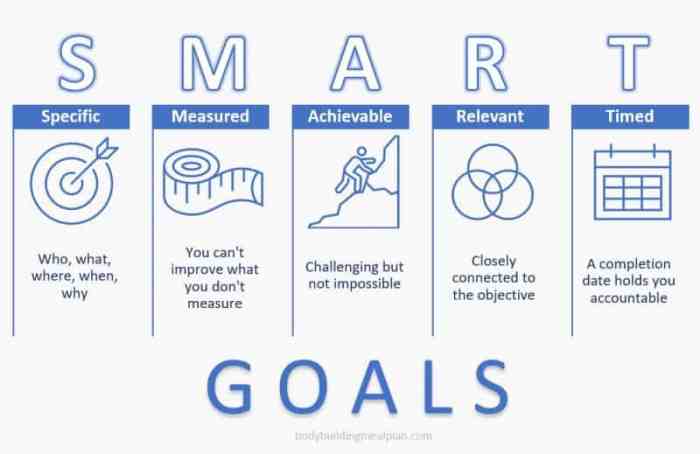
  • Setting SMART (Specific, Measurable, Achievable, Relevant, Time-bound) goals for flexibility improvement.
  • Creating a structured and varied stretching routine to target different muscle groups.
  • Using positive reinforcement and celebrating small wins to keep clients motivated.
  • Encouraging self-reflection and mindfulness practices to enhance flexibility and overall well-being.

Enhancing Overall Well-being with Health Coaching

Health coaching goes beyond just improving flexibility; it focuses on holistic well-being by addressing nutrition, stress management, sleep quality, and other lifestyle factors. By working with a health coach, individuals can experience improved physical health, mental clarity, and emotional balance, leading to a more fulfilling and vibrant life.

Medical Advancements

Medical advancements play a crucial role in improving flexibility and overall health. With the continuous progress in technology and medical research, innovative treatments and therapies are constantly being developed to enhance flexibility and mobility.

Recent Innovations in Flexibility Enhancement

  • One recent advancement is the use of regenerative medicine, such as stem cell therapy, to repair and regenerate damaged tissues in the joints, muscles, and ligaments, promoting flexibility.
  • Advanced imaging techniques, like MRI and ultrasound, allow for more accurate diagnosis of musculoskeletal issues, leading to targeted treatment plans for improving flexibility.
  • Robot-assisted rehabilitation devices are being utilized to provide precise and personalized exercises to enhance flexibility and range of motion in patients recovering from injuries or surgeries.

Future Developments in Flexibility Improvement

  • Researchers are exploring the potential of genetic therapies to address underlying factors that affect flexibility, paving the way for personalized treatments based on individual genetic profiles.
  • Virtual reality (VR) technology is being integrated into physical therapy programs to create immersive and interactive exercises that can improve flexibility and balance in a more engaging manner.
  • Artificial intelligence (AI) algorithms are being developed to analyze movement patterns and provide real-time feedback during exercises, optimizing flexibility training for better outcomes.

Balanced Nutrition: Fitness Goals For Improving Flexibility

When it comes to improving flexibility, balanced nutrition plays a crucial role in supporting your goals. Eating a variety of nutrients is essential for overall health and can directly impact your flexibility levels.

Importance of Balanced Nutrition for Flexibility Goals

Consuming a well-rounded diet rich in essential nutrients can help in reducing inflammation, improving muscle recovery, and enhancing joint mobility, all of which are vital for achieving better flexibility.

Specific Nutrients for Improved Flexibility

  • Omega-3 fatty acids: Found in fatty fish, flaxseeds, and walnuts, these healthy fats help reduce inflammation and promote joint health.
  • Vitamin C: Citrus fruits, bell peppers, and strawberries are rich in vitamin C, which aids in collagen production for healthy connective tissues.
  • Protein: Lean sources of protein like chicken, tofu, and legumes support muscle repair and growth, crucial for flexibility.

Sample Meal Plan for Flexibility and Health

Meal Food Items
Breakfast Greek yogurt with berries and almonds
Lunch Grilled salmon with quinoa and steamed broccoli
Snack Carrot sticks with hummus
Dinner Grilled chicken with sweet potato and spinach salad

Tips for Maintaining a Balanced Diet for Flexibility

  • Stay hydrated by drinking plenty of water throughout the day to support joint lubrication.
  • Aim to include colorful fruits and vegetables in your meals to get a variety of vitamins and minerals.
  • Avoid processed foods high in sugar and unhealthy fats, as they can contribute to inflammation and hinder flexibility.

Mental Strength

Achieving flexibility goals is not just about physical abilities; mental strength plays a crucial role in the process. The connection between mental resilience and flexibility progress is essential to understand in order to reach optimal results.

Building Mental Resilience

Building mental resilience during flexibility training involves various techniques that help individuals overcome challenges and push through discomfort. Some effective strategies include:

  • Practicing positive self-talk to boost confidence and motivation.
  • Setting realistic goals and celebrating small victories along the way.
  • Visualizing success and focusing on the benefits of increased flexibility.
  • Utilizing breathing exercises to stay calm and centered during challenging stretches.

Mindfulness Practices for Flexibility Improvement

Mindfulness practices can significantly aid in improving flexibility by enhancing body awareness and reducing stress. Some beneficial mindfulness techniques include:

  • Body scanning to identify areas of tension and release tightness.
  • Meditation to increase focus and concentration during stretching routines.
  • Yoga practice to combine breathwork with movement for improved flexibility and mental clarity.
  • Progressive muscle relaxation to promote deep relaxation and flexibility gains.

Mental Exercises for Enhanced Flexibility Progress

Incorporating mental exercises into your flexibility training routine can amplify your progress and help you break through plateaus. Some examples of mental exercises to enhance flexibility include:

  • Visualizing yourself performing challenging stretches with ease and grace.
  • Practicing mindfulness while stretching to stay present and focused on the sensations in your body.
  • Engaging in positive affirmations to build confidence and belief in your ability to improve flexibility.
  • Utilizing progressive goal-setting to track your flexibility gains and stay motivated throughout your journey.

Yoga Practice

Incorporating yoga into your fitness routine can greatly benefit flexibility. Yoga focuses on stretching, strengthening, and balance, all of which are essential for improving flexibility and mobility in the body. Consistent yoga practice can help increase range of motion, reduce muscle tension, and enhance overall flexibility.

Yoga Poses for Flexibility Improvement, Fitness goals for improving flexibility

  • Downward Facing Dog: This pose stretches the hamstrings, calves, and shoulders, helping to improve flexibility in the legs and spine.
  • Pigeon Pose: Pigeon pose targets the hips and glutes, releasing tension and increasing flexibility in these areas.
  • Forward Fold: Forward fold stretches the entire back of the body, including the spine, hamstrings, and calves, promoting flexibility in these areas.
  • Cobra Pose: Cobra pose opens up the chest and shoulders while also stretching the abdominals and hip flexors, improving flexibility in these muscle groups.

Yoga Routines for Flexibility Enhancement

  • Dynamic Yoga Flow: A dynamic flow sequence that incorporates various poses to increase flexibility and mobility throughout the body.
  • Yin Yoga: A slower-paced practice that involves holding poses for longer periods, allowing for deep stretching and enhanced flexibility.
  • Legs Up the Wall: This restorative pose helps to release tension in the legs and lower back, promoting flexibility and relaxation.
  • Sun Salutations: A series of poses that stretch and strengthen the entire body, improving overall flexibility and mobility.

Importance of Consistency in Yoga Practice

Consistency is key when it comes to gaining flexibility through yoga. Regular practice helps to gradually increase flexibility, prevent injuries, and maintain overall joint health. By committing to a consistent yoga routine, you can experience long-term improvements in flexibility and mobility throughout your body.

Health Education

When it comes to improving flexibility, health education plays a crucial role in helping individuals understand the importance of flexibility in overall health and wellness. By educating oneself about the body’s mechanics and the benefits of flexibility, individuals can make informed decisions to enhance their physical well-being.

Resources for Continuing Education

  • Online courses and workshops focused on flexibility training and stretching techniques.
  • Books and articles written by experts in the field of fitness and physical therapy.
  • Attending seminars or webinars conducted by health professionals specializing in flexibility improvement.

Tips for Incorporating Health Education

  • Start by researching and understanding the basics of flexibility and its impact on overall health.
  • Consult with a fitness trainer or physical therapist to create a personalized flexibility training plan.
  • Join online forums or communities dedicated to flexibility improvement to learn from others’ experiences and insights.
  • Stay updated on the latest research and trends in flexibility training to continuously improve your knowledge and practice.

Weight Management

Maintaining a healthy weight is crucial for improving flexibility and overall physical well-being. Excess weight can put strain on the joints and muscles, limiting range of motion and flexibility. In contrast, managing weight effectively can enhance flexibility, making it easier to perform daily tasks and exercise routines.

Impact of Weight Management on Flexibility

Weight management plays a significant role in flexibility enhancement. Excess weight can restrict movement and make it challenging to stretch and bend effectively. By maintaining a healthy weight, individuals can reduce the stress on their joints and muscles, allowing for improved flexibility and mobility.

  • Regular Exercise: Engaging in a combination of cardiovascular exercise, strength training, and flexibility exercises can help manage weight effectively while enhancing flexibility.
  • Balanced Diet: Eating a nutritious diet rich in fruits, vegetables, lean proteins, and whole grains can support weight management goals and improve flexibility.
  • Hydration: Staying hydrated is essential for overall health and can aid in weight management by promoting proper digestion and metabolism.

Strategies for Weight Management to Support Flexibility Goals

Implementing specific strategies for weight management can directly impact flexibility goals. By focusing on healthy habits and lifestyle choices, individuals can achieve a balance between weight management and flexibility training.

  1. Set Realistic Goals: Establish achievable weight management and flexibility goals to track progress and stay motivated.
  2. Monitor Progress: Keep a journal or use technology to monitor food intake, exercise routines, and flexibility improvements.
  3. Seek Professional Guidance: Consult with a fitness trainer, nutritionist, or healthcare provider for personalized advice and support in managing weight and enhancing flexibility.

Health Checkups

Fitness goals for improving flexibility
Regular health checkups play a crucial role in monitoring the progress of flexibility goals. These assessments help individuals track their overall health and identify any potential obstacles that may hinder flexibility improvement.

Importance of Health Checkups

Health checkups provide valuable insights into the body’s current state, including flexibility levels. These assessments can detect any underlying issues that may impact flexibility and overall well-being. By scheduling regular health checkups, individuals can stay proactive in addressing any health concerns that may arise.

  • Blood Tests: Regular blood tests can indicate inflammation levels, which can affect flexibility. Monitoring markers such as C-reactive protein (CRP) can show improvements in inflammation over time.
  • Range of Motion (ROM) Tests: Health professionals can perform ROM tests to assess flexibility in specific joints or muscle groups. Progress in ROM measurements can indicate improvements in flexibility.
  • Body Composition Analysis: Tracking changes in muscle mass and body fat percentage can give insight into how flexibility goals are impacting overall body composition.

Frequency of Health Checkups

For individuals with flexibility goals, it is recommended to schedule health checkups at least once a year. However, depending on individual health conditions or specific goals, more frequent assessments may be necessary. Consultation with a healthcare provider can help determine the appropriate frequency of health checkups.

Identifying Potential Obstacles

Health checkups can help identify potential obstacles to flexibility improvement, such as underlying medical conditions, muscle imbalances, or joint issues. By addressing these obstacles early on, individuals can make necessary adjustments to their fitness routines and achieve better results in their flexibility goals.

Skin Health

Skin health plays a crucial role in overall well-being, including flexibility enhancement. Maintaining healthy skin can complement flexibility training and contribute to achieving fitness goals effectively.

Connection Between Skin Health and Flexibility

Healthy skin is essential for flexibility as it allows for smooth movement without restrictions. Skin elasticity and hydration play a significant role in supporting joint mobility and muscle flexibility during workouts.

Skincare Routines and Flexibility Training

Implementing a proper skincare routine can enhance the benefits of flexibility training. Moisturizing the skin regularly can improve skin elasticity, reducing the risk of injuries and enhancing performance during flexibility exercises.

Tips for Healthy Skin and Flexibility Goals

  • Adequate hydration: Drink plenty of water to keep the skin hydrated and supple.
  • Protect from the sun: Use sunscreen to prevent skin damage and maintain skin health.
  • Regular cleansing: Cleanse the skin after workouts to remove sweat and bacteria that can cause skin issues.
  • Healthy diet: Consume foods rich in vitamins and antioxidants to promote skin health and flexibility.

Impact of Skin Health on Overall Well-being

Healthy skin not only enhances flexibility but also contributes to overall well-being. Skin health impacts confidence, mood, and self-esteem, making it an essential aspect of achieving holistic wellness goals.

Emotional Health

Emotional health plays a crucial role in the process of improving flexibility. It impacts our physical well-being and overall ability to perform various exercises. Managing stress and anxiety during flexibility training is essential to ensure progress and prevent injuries. Emotional well-being can positively influence flexibility by promoting relaxation, focus, and motivation. Mindfulness practices can support emotional health and enhance flexibility goals.

Influence of Emotional Health on Flexibility Improvement

Emotional health directly affects our physical body, including our muscles and joints. When we are stressed or anxious, our muscles tend to tense up, making it harder to achieve full range of motion and flexibility. By addressing emotional well-being, we can release tension in the body and improve flexibility over time.

  • Practicing deep breathing exercises can help calm the mind and relax the body, allowing for better flexibility during workouts.
  • Engaging in meditation before and after flexibility training sessions can promote mental clarity and reduce stress, leading to improved flexibility outcomes.
  • Seeking support from a therapist or counselor to address underlying emotional issues that may be hindering flexibility progress.

Techniques for Managing Stress and Anxiety During Flexibility Training

Stress and anxiety can impede flexibility gains, but there are techniques to help manage these emotions during training sessions.

  1. Implementing a regular stretching routine combined with mindfulness exercises can alleviate stress and promote relaxation.
  2. Listening to calming music or guided meditations while stretching can create a peaceful environment conducive to flexibility improvement.
  3. Practicing positive affirmations and visualizations to shift focus from negative thoughts to a more optimistic mindset during flexibility training.

Emotional Well-Being and Flexibility Progress

Emotional well-being is closely linked to flexibility progress, as a positive mindset can enhance performance and results.

By cultivating a sense of inner peace and emotional balance, individuals are more likely to experience increased flexibility and mobility.

Mindfulness Practices for Emotional Health and Flexibility Goals

Mindfulness practices can support emotional health and contribute to achieving flexibility goals effectively.

  1. Yoga, with its focus on breath control and mind-body connection, can improve emotional well-being and flexibility simultaneously.
  2. Body scan meditations can help individuals release tension in specific muscle groups, promoting relaxation and flexibility.
  3. Mindful walking or movement practices can enhance body awareness and emotional regulation, aiding in better flexibility outcomes.

Health Motivation

Staying motivated is crucial when working towards improving flexibility. It helps individuals stay focused, consistent, and determined to reach their goals. Without motivation, it can be easy to lose interest or become discouraged along the way.

Strategies for Maintaining Motivation

  • Set specific and achievable goals: Breaking down flexibility goals into smaller, more manageable tasks can help maintain motivation as progress is visible.
  • Reward yourself: Celebrate small wins and milestones achieved on your flexibility journey to stay motivated and encouraged.
  • Find a support system: Surround yourself with like-minded individuals who can provide encouragement, support, and accountability.
  • Switch up your routine: Keep things interesting by trying different flexibility exercises and techniques to prevent boredom and stay motivated.

Success Stories of Individuals

  • One individual, after consistently practicing yoga for flexibility, was able to touch their toes for the first time in years, motivating them to continue their practice.
  • Another person, through regular stretching and dedication, improved their flexibility to the point where they could perform advanced yoga poses they never thought possible.

Tips for Overcoming Motivational Barriers

  • Acknowledge setbacks as part of the journey and learn from them rather than letting them deter you from your goals.
  • Create a flexible routine that allows for rest days and adjustments to prevent burnout and loss of motivation.
  • Visualize your end goal and the benefits of improved flexibility to stay motivated and focused on the bigger picture.

Physical Activities

When it comes to improving flexibility, incorporating a variety of physical activities into your routine can be highly beneficial. Not only does cross-training help prevent plateaus in flexibility progress, but it also enhances overall flexibility by targeting different muscle groups and movement patterns.

Complementary Exercises for Flexibility

  • Yoga: Practicing yoga poses can help increase flexibility and range of motion in various parts of the body.
  • Pilates: Pilates focuses on strengthening the core muscles while also improving flexibility and alignment.
  • Dance: Ballet, contemporary dance, or other forms of dance can enhance flexibility through fluid movements and stretches.

Importance of Cross-Training

Cross-training involves engaging in different types of physical activities to improve overall fitness and prevent overuse injuries. By incorporating diverse exercises that target flexibility, strength, and cardiovascular endurance, you can achieve a well-rounded fitness routine that supports your flexibility goals.

Diverse Physical Activities to Prevent Plateaus

  • Swimming: Water-based activities like swimming or water aerobics provide a low-impact way to improve flexibility and strengthen muscles.
  • Cycling: Riding a bike or using a stationary bike can help increase lower body flexibility and improve joint mobility.
  • Resistance Training: Using resistance bands or weights can complement flexibility training by building strength and stability in the muscles.

Health Awareness

Health awareness plays a crucial role in setting and achieving flexibility goals. By being mindful of one’s health, individuals can enhance their flexibility outcomes and overall well-being. Here are some resources and tips for increasing health awareness specifically related to flexibility improvement:

Resources for Increasing Health Awareness

  • Attend workshops or seminars on flexibility training and health education.
  • Follow reputable fitness experts and health professionals on social media for tips and advice.
  • Read books or articles on the benefits of flexibility for overall health.
  • Join online forums or communities dedicated to flexibility and wellness.

Tips for Cultivating a Health-Conscious Mindset for Flexibility Training

  • Practice mindfulness techniques such as meditation and deep breathing to stay present during flexibility exercises.
  • Set specific health goals related to flexibility and track your progress regularly.
  • Listen to your body and adjust your flexibility training based on how you feel each day.
  • Prioritize sleep, hydration, and nutrition to support your flexibility and overall health.

Preventive Medicine

Maintaining flexibility and overall health can be greatly supported by preventive medicine. By taking proactive measures, individuals can prevent injuries and promote longevity in flexibility.

Preventive Measures for Flexibility-Related Injuries

  • Engage in regular stretching exercises to improve flexibility and reduce the risk of muscle strains.
  • Stay hydrated to support joint lubrication and overall muscle function.
  • Warm-up before physical activities to prepare the muscles and joints for movement.
  • Practice proper form and technique during exercises to avoid unnecessary strain on the body.

Importance of Proactive Healthcare for Flexibility Goals

Preventive medicine plays a crucial role in supporting flexibility goals by focusing on early detection and intervention. Regular check-ups, screenings, and consultations with healthcare professionals can help individuals address any potential issues before they escalate.

Examples of Preventive Medicine Practices for Flexibility Longevity

  • Regular visits to a physical therapist or chiropractor to address any musculoskeletal imbalances.
  • Incorporating strength training exercises to support joint stability and flexibility.
  • Following a balanced diet rich in nutrients that promote muscle and joint health.
  • Utilizing tools such as foam rollers and massage balls for self-myofascial release to prevent muscle tightness and improve flexibility.

Nutritional Counseling

Nutritional counseling plays a crucial role in achieving flexibility goals by providing personalized dietary plans that support muscle recovery, reduce inflammation, and enhance overall physical performance.

Benefits of Nutritional Counseling for Flexibility Goals

  • Customized Meal Plans: A nutritionist can tailor a meal plan to include foods rich in nutrients that promote flexibility, such as Omega-3 fatty acids and antioxidants.
  • Improved Energy Levels: Proper nutrition can increase energy levels, allowing individuals to engage in stretching exercises and yoga sessions more effectively.
  • Optimal Hydration: Staying hydrated is essential for maintaining joint health and flexibility, and a nutritionist can recommend the right amount of water intake.

Success Stories of Nutritional Counseling for Flexibility Improvement

  • John, a former athlete, struggled with tight muscles and limited range of motion. After consulting with a nutritionist and following a specialized diet, he noticed significant improvements in his flexibility within a few weeks.
  • Sarah, a yoga enthusiast, incorporated nutrient-dense foods recommended by her nutritionist into her diet. As a result, she experienced less muscle soreness and increased flexibility during her practice.

Tips for Finding a Reputable Nutritionist for Flexibility Nutrition

  • Look for Credentials: Choose a nutritionist with relevant certifications and experience in working with clients to improve flexibility through diet.
  • Seek Recommendations: Ask for referrals from friends, fitness trainers, or healthcare professionals who have experience with reputable nutritionists.
  • Consultation: Schedule an initial consultation with the nutritionist to discuss your flexibility goals and assess their approach to creating a personalized nutrition plan.

Healthy Mind

Having a healthy mind is crucial when it comes to achieving flexibility goals. A positive mindset and mental well-being play a significant role in physical flexibility. When your mind is calm and focused, your body is more receptive to stretching and movement, leading to improved flexibility. Here are some mindfulness exercises and tips to promote a healthy mind for flexibility training:

Mindfulness Exercises for a Healthy Mind

  • Practice deep breathing: Take deep breaths in and out, focusing on the sensation of air entering and leaving your body. This can help calm your mind and reduce stress, making it easier to engage in flexibility exercises.
  • Body scan meditation: Start from your toes and work your way up, paying attention to each body part and releasing any tension you may be holding. This can help you become more aware of your body and its movements during flexibility training.
  • Guided visualization: Imagine yourself moving easily and fluidly through various stretches and poses. Visualization can help improve your mental connection to your body, enhancing flexibility and range of motion.

Tips for Fostering a Positive Mindset

  • Affirmations: Repeat positive affirmations to yourself before and during your flexibility training. Encouraging statements like “I am strong and flexible” can help boost your confidence and motivation.
  • Set realistic goals: Break down your flexibility goals into smaller, achievable milestones. Celebrate each progress you make, no matter how small, to stay motivated and positive throughout your journey.
  • Practice gratitude: Take a moment to appreciate your body and the progress you’ve made in your flexibility training. Gratitude can shift your focus from limitations to possibilities, fostering a positive mindset.

FAQ

How important is it to set specific flexibility goals?

Setting specific flexibility goals is crucial as they provide direction, motivation, and a clear roadmap towards improvement.

What are some effective flexibility goals for beginners?

Beginners can start with simple goals like touching their toes, holding a plank for a certain duration, or increasing flexibility in key muscle groups.

How can one track progress towards flexibility goals?

Progress can be tracked by measuring improvements in range of motion, flexibility tests, or the ability to perform advanced flexibility exercises.

Why is it important to adjust goals as flexibility improves?

Adjusting goals ensures continued challenge and growth, preventing plateaus and encouraging sustained progress in flexibility.

Online wellness programs for busy professionals: Enhancing Health and Well-being

Online wellness programs for busy professionals

Healthy Snacks

When it comes to maintaining energy and focus throughout the workday, having nutritious snacks on hand is essential for busy professionals. Not only can healthy snacks help prevent energy crashes, but they can also support overall wellness by providing important nutrients.

List of Nutritious Snacks:

  • Fresh fruits like apples, bananas, or berries
  • Raw vegetables with hummus or guacamole
  • Greek yogurt with nuts or seeds
  • Whole grain crackers with cheese

Homemade Snack Recipes:

  • Energy Balls: Mix together oats, nut butter, honey, and dark chocolate chips. Roll into bite-sized balls and refrigerate.
  • Trail Mix: Combine nuts, dried fruit, and a sprinkle of dark chocolate pieces for a satisfying snack.
  • Vegetable Chips: Thinly slice sweet potatoes or beets, toss with olive oil and seasonings, then bake until crispy.

Mindful Snacking:

Snacking mindfully involves paying attention to your body’s hunger cues and choosing snacks that will nourish you. By avoiding mindless snacking and opting for nutrient-dense options, you can support your overall wellness and productivity.

Wellness Programs

Online wellness programs tailored for busy professionals play a crucial role in helping individuals maintain a healthy work-life balance. These programs are designed to provide convenient access to resources and tools that promote physical, mental, and emotional well-being. By participating in online wellness programs, busy professionals can effectively manage stress, improve productivity, and enhance overall quality of life.

Key Components of Effective Online Wellness Programs

  • Personalized Nutrition Plans: Providing tailored meal plans and nutritional guidance to support a healthy diet.
  • Physical Activity Challenges: Encouraging regular exercise through fitness challenges and workout routines.
  • Mental Health Support: Offering resources for stress management, mindfulness practices, and mental health awareness.
  • Work-Life Balance Strategies: Providing tips and strategies to help individuals juggle their professional and personal responsibilities.
  • Community Engagement: Fostering a sense of belonging and support through online forums, group activities, and social connections.

Benefits of Online Wellness Programs for Busy Professionals

  • Convenience: Accessible anytime, anywhere, allowing individuals to prioritize their well-being amidst busy schedules.
  • Cost-Effective: Eliminating the need for commuting to physical locations, saving time and money.
  • Flexibility: Allowing individuals to customize their wellness journey based on their unique needs and preferences.
  • Accountability: Tracking progress, setting goals, and receiving feedback to stay motivated and committed to wellness goals.
  • Holistic Approach: Addressing various aspects of well-being, including physical fitness, nutrition, mental health, and stress management.

Physical Therapy

Physical therapy plays a crucial role in helping busy professionals achieve their fitness goals, especially when integrated into online wellness programs. By utilizing virtual physical therapy sessions, individuals can receive personalized care and guidance to improve their physical well-being.

Role of Virtual Physical Therapy

  • Virtual physical therapy allows professionals to access expert guidance from the comfort of their own homes or offices, eliminating the need for travel to appointments.
  • Through video consultations and exercises prescribed by therapists, individuals can address specific concerns such as postural issues, muscle imbalances, and injury recovery.
  • Consistent communication with a virtual physical therapist can help professionals stay accountable and motivated in their fitness journey.

Common Physical Therapy Techniques

  • Stretching exercises to improve flexibility and reduce muscle tension.
  • Strength training routines to build muscle mass and increase overall strength.
  • Manual therapy techniques such as massage and joint mobilization to alleviate pain and improve mobility.

Success Stories

“After incorporating virtual physical therapy into my wellness routine, I experienced significant improvements in my posture and overall strength. The personalized exercises and guidance from my therapist have made a noticeable difference in my daily life.” – Sarah, Marketing Executive

Health Coaching

Health coaching is a personalized approach to help professionals achieve their wellness goals by providing guidance, support, and accountability. These coaches work with individuals to create tailored plans that focus on nutrition, exercise, stress management, and overall well-being.

Finding the Right Health Coach

  • Look for a certified health coach with proper credentials and experience in working with busy professionals.
  • Consider the coaching style and approach of the health coach to ensure it aligns with your needs and preferences.
  • Seek recommendations from colleagues or friends who have had positive experiences with health coaches.
  • Schedule an initial consultation to discuss your goals and assess the compatibility with the health coach.

Long-Term Benefits of Health Coaching

  • Improved overall health and well-being by making sustainable lifestyle changes.
  • Increased energy levels and productivity by optimizing nutrition and exercise routines.
  • Enhanced stress management skills and strategies for better work-life balance.
  • Long-lasting habits and behaviors that support long-term health goals and prevent burnout.

Medical Advancements

Online wellness programs for busy professionals – Recent advancements in telemedicine have revolutionized healthcare accessibility for busy professionals, providing convenient ways to receive medical care remotely.

Technology plays a crucial role in monitoring health metrics from a distance, allowing individuals to keep track of their health status without visiting a healthcare facility.

Telemedicine Benefits

  • Increased access to healthcare services without the need for in-person visits.
  • Convenient consultations with healthcare providers from anywhere, saving time for busy professionals.
  • Improved monitoring of chronic conditions through remote health tracking devices and apps.

Preventive Healthcare Accessibility

  • Early detection of health issues through remote screenings and consultations.
  • Customized wellness plans and health coaching available online for individuals with hectic schedules.
  • Efficient follow-ups and continuous monitoring of health progress without disrupting work commitments.

Fitness Goals

Setting realistic fitness goals that align with a busy professional’s lifestyle is crucial for long-term success. It’s essential to consider time constraints, work commitments, and personal preferences when creating a fitness plan. Tracking progress is equally important as it allows individuals to see their improvements and make necessary adjustments to their goals.

Strategies for Setting Realistic Fitness Goals

  • Start small and gradually increase intensity: Begin with manageable workouts and slowly progress to more challenging exercises.
  • Focus on consistency: Establish a workout routine that fits into your schedule and stick to it to see results.
  • Set specific, measurable goals: Define clear objectives such as running a certain distance or lifting a specific weight to track your progress.
  • Seek professional guidance: Consider working with a fitness coach or trainer to create a customized plan that suits your needs.

Importance of Tracking Progress and Adjusting Goals

  • Monitoring your progress helps you stay motivated and accountable for your fitness journey.
  • Adjusting goals allows you to adapt to changes in your schedule or capabilities, ensuring continued progress.
  • Recognizing achievements boosts confidence and encourages you to strive for more challenging goals.

Success Stories of Professionals Achieving Fitness Goals

“I never thought I could find time to exercise with my busy schedule, but with the help of online fitness programs, I was able to reach my weight loss goal and improve my overall health.” – Sarah, Marketing Manager

“Setting realistic goals and tracking my progress online made a significant difference in my fitness journey. I now feel more energized and accomplished than ever before.” – John, IT Specialist

Balanced Nutrition

Maintaining a balanced diet is crucial for overall wellness and productivity, especially for busy professionals who often have hectic schedules. By making mindful choices and planning ahead, it is possible to achieve optimal nutrition even with limited time.

Impact of Nutrition on Wellness and Productivity

Nutrition plays a significant role in supporting our physical and mental well-being. A balanced diet provides essential nutrients that fuel our bodies and brains, helping us stay energized, focused, and productive throughout the day. Poor nutrition, on the other hand, can lead to fatigue, sluggishness, and decreased cognitive function, impacting our overall performance.

  • Include a variety of food groups in your meals to ensure you are getting a wide range of nutrients.
  • Focus on whole foods such as fruits, vegetables, whole grains, lean proteins, and healthy fats to nourish your body properly.
  • Avoid processed foods, sugary snacks, and excessive caffeine intake, as they can cause energy crashes and affect your concentration.
  • Stay hydrated by drinking plenty of water throughout the day to support digestion, metabolism, and overall health.

Meal Planning Tips for Busy Professionals

Meal planning is key to maintaining a healthy diet when you have a busy schedule. By taking some time to prepare in advance, you can ensure that you have nutritious meals and snacks readily available, saving you time and helping you make better food choices.

  1. Set aside a specific time each week to plan your meals and snacks. Consider batch cooking or preparing ingredients in advance to save time during the week.
  2. Opt for simple, quick recipes that require minimal preparation and cooking time. Utilize kitchen gadgets like a slow cooker or Instant Pot to make meal preparation easier.
  3. Pack healthy snacks such as nuts, seeds, fruits, yogurt, or cut-up vegetables to have on hand when you need a quick bite to eat.
  4. Choose portable meal options that you can take with you on-the-go, such as salads in a jar, wraps, or bento boxes with a variety of nutritious components.

Mental Strength

Building mental resilience is crucial for individuals working in high-stress environments. The ability to effectively manage stress and maintain a positive mindset can significantly impact overall well-being and productivity.

Techniques for Improving Mental Strength

  • Practice mindfulness and meditation to cultivate a sense of calm and focus.
  • Engage in regular physical exercise to release endorphins and reduce feelings of anxiety.
  • Establish healthy boundaries between work and personal life to prevent burnout.
  • Seek support from friends, family, or a mental health professional when needed.
  • Develop a growth mindset to embrace challenges and setbacks as opportunities for growth.

Incorporating Mental Health Components in Online Wellness Programs

Online wellness programs can integrate mental health components by offering virtual therapy sessions, guided relaxation exercises, stress management workshops, and cognitive-behavioral therapy techniques. Providing access to resources and support for improving mental well-being can help busy professionals prioritize self-care and maintain a healthy work-life balance.

Yoga Practice

Regular yoga practice offers numerous benefits for busy professionals, such as improved flexibility, reduced stress levels, and enhanced mental clarity. Incorporating yoga into a daily routine can help individuals find balance amidst their hectic schedules.

Benefits of Yoga for Busy Professionals

  • Enhances flexibility and mobility, crucial for individuals who spend long hours sitting at a desk.
  • Reduces stress and anxiety, promoting a sense of calm and relaxation even during high-pressure work situations.
  • Improves focus and concentration, leading to increased productivity and efficiency in daily tasks.

Beginner-Friendly Yoga Poses for Short Breaks

  • Chair Pose: Stand up from your chair, raise your arms overhead, and bend your knees as if sitting back into an imaginary chair. Hold for 30 seconds.
  • Seated Spinal Twist: Sit tall in your chair, cross one leg over the other, place the opposite hand on the knee, and gently twist towards the back of your chair. Hold for 30 seconds on each side.
  • Forward Fold: Stand up, hinge at the hips, and fold forward, reaching towards your toes. Hold for 30 seconds to release tension in the back and hamstrings.

Integration of Online Yoga Classes into Daily Routine

Online yoga classes offer the flexibility to practice at any time, making it convenient for busy professionals to prioritize their well-being. By setting aside a specific time each day for a virtual yoga session, individuals can reap the mental and physical benefits of this ancient practice without leaving their home or office.

Health Education

Health education plays a crucial role in the lives of busy professionals, helping them stay informed about the latest trends and developments in the wellness industry. By continuously educating themselves, professionals can take a proactive approach towards their health and well-being.

Significance of Continuous Health Education

Continuous health education is essential for busy professionals as it provides them with the knowledge and tools to make informed decisions about their health. It helps them understand the importance of preventive care, leading to early detection of potential health issues and improved overall well-being.

  • Regular health education enables professionals to adopt healthy lifestyle habits, such as regular exercise, balanced nutrition, and stress management techniques.
  • It empowers individuals to take control of their health by making informed choices about medical treatments, screenings, and preventive measures.
  • Health education helps professionals stay updated on the latest research, technologies, and advancements in the healthcare industry, allowing them to make well-informed decisions about their health and wellness.

Resources for Staying Informed

There are various resources available for busy professionals to stay informed about the latest health trends and developments:

  1. Online health websites, blogs, and forums provide up-to-date information on wellness topics, medical advancements, and lifestyle choices.
  2. Health podcasts and webinars offer convenient ways to learn about health-related issues and stay updated on the latest research findings.
  3. Attending health conferences, workshops, and seminars can provide professionals with valuable insights from experts in the field and networking opportunities.

Impact of Health Education

Health education has a significant impact on promoting a proactive approach to wellness among busy professionals:

By educating themselves about health and wellness, professionals can take the necessary steps to prevent chronic diseases, improve their quality of life, and enhance their overall well-being.

  • Increased awareness through health education leads to better health outcomes, reduced healthcare costs, and improved productivity in the workplace.
  • Professionals who prioritize health education are more likely to engage in preventive care measures, seek timely medical assistance, and make healthier lifestyle choices.
  • Health education fosters a culture of well-being and self-care, encouraging professionals to prioritize their health and make informed decisions about their lifestyle habits.

Weight Management

Maintaining a healthy weight can be a challenge, especially for busy professionals constantly on the go. However, with the right strategies and a focus on nutrition, exercise, and lifestyle changes, it is possible to achieve and sustain weight management goals.

Role of Nutrition

Nutrition plays a key role in weight management. A balanced diet that includes a variety of nutrients is essential for maintaining a healthy weight. Focus on incorporating whole foods, fruits, vegetables, lean proteins, and healthy fats into your meals. Avoid processed and high-sugar foods that can lead to weight gain.

Role of Exercise

Regular physical activity is crucial for weight management. Incorporating exercise into your daily routine, even in short bursts, can help burn calories and maintain muscle mass. Find activities you enjoy, whether it’s cardio, strength training, or yoga, and make it a priority to stay active.

Role of Lifestyle Changes

Making small lifestyle changes can have a big impact on weight management. Prioritize getting enough sleep, managing stress levels, and staying hydrated throughout the day. Healthy habits like meal prepping, mindful eating, and setting realistic goals can contribute to long-term weight management success.

Success Stories

Many busy professionals have successfully maintained a healthy weight through online wellness programs. By following personalized nutrition plans, engaging in regular exercise routines, and adopting healthier lifestyle habits, individuals have seen significant improvements in their overall health and well-being. These success stories serve as inspiration for others looking to achieve their weight management goals.

Health Checkups

Regular health checkups are crucial for early detection of potential health issues. By monitoring key indicators through routine screenings and tests, individuals can identify any health concerns before they escalate into more serious conditions. This proactive approach to healthcare can lead to better treatment outcomes and overall well-being.

Scheduling and Prioritizing Health Checkups

Busy professionals often struggle to find time for health checkups due to their hectic schedules. However, prioritizing these appointments is essential for maintaining good health. Here are some tips for scheduling and prioritizing health checkups:

  • Plan ahead: Block out time in your calendar for regular health checkups just like any other important appointment.
  • Utilize telehealth options: Consider virtual appointments or telemedicine services to save time and avoid travel to medical facilities.
  • Combine appointments: Schedule multiple health checkups on the same day to minimize time off work.

Making the Most Out of Health Checkup Appointments

To make the most out of your health checkup appointments, follow these tips:

  • Come prepared: Bring a list of questions or concerns to discuss with your healthcare provider.
  • Be honest: Provide accurate information about your lifestyle, habits, and any symptoms you may be experiencing.
  • Follow through: Take any recommended follow-up actions, such as additional tests or lifestyle changes, to address any health issues identified during the checkup.

Skin Health

Maintaining healthy skin is essential for busy professionals who face stress and environmental factors daily. Here are some skincare tips to help you keep your skin glowing despite your hectic schedule and lifestyle choices.

Impact of Lifestyle Choices on Skin Health

Our daily habits and lifestyle choices can have a significant impact on our skin health. Factors such as lack of sleep, poor diet, stress, and exposure to environmental pollutants can lead to various skin issues like acne, dullness, premature aging, and dryness.

  • Avoid smoking and excessive alcohol consumption as they can dehydrate the skin and accelerate aging.
  • Ensure you get an adequate amount of sleep each night to allow your skin to repair and rejuvenate.
  • Stay hydrated by drinking plenty of water throughout the day to keep your skin hydrated and maintain its elasticity.
  • Eat a balanced diet rich in fruits, vegetables, and healthy fats to provide your skin with essential nutrients.

Skincare Products for Busy Professionals

For professionals with limited time, it’s essential to choose skincare products that are effective yet convenient to use. Look for products that offer multiple benefits in one, such as moisturizers with SPF protection or cleansers with exfoliating properties.

  • Opt for gentle cleansers that can remove dirt and impurities without stripping the skin of its natural oils.
  • Use a lightweight moisturizer with SPF to protect your skin from harmful UV rays and prevent premature aging.
  • Incorporate a vitamin C serum into your skincare routine to brighten the skin and reduce the appearance of dark spots.
  • Consider using a night cream with retinol to promote collagen production and improve skin texture while you sleep.

Emotional Health: Online Wellness Programs For Busy Professionals

Online wellness programs for busy professionals
Emotional health plays a crucial role in the overall well-being of busy professionals, as it directly impacts their physical, mental, and social health. It is essential to understand the connection between emotional well-being and overall health to effectively manage stress and maintain a balanced lifestyle.

Strategies for Emotional Well-being

  • Practice mindfulness and meditation to reduce stress levels and increase self-awareness.
  • Engage in regular physical activity to boost mood and improve emotional resilience.
  • Establish healthy boundaries to prioritize self-care and prevent burnout.
  • Seek support from friends, family, or a therapist to process emotions and gain perspective.

Online Wellness Programs for Emotional Health

  • Offer guided meditation sessions to promote relaxation and emotional balance.
  • Provide resources for stress management techniques and coping strategies in high-pressure environments.
  • Encourage self-care practices such as journaling, gratitude exercises, and deep breathing exercises.
  • Include virtual support groups or forums for professionals to connect, share experiences, and receive encouragement.

Health Motivation

Staying motivated to prioritize health and wellness goals can be challenging, especially for busy professionals juggling multiple responsibilities. Finding the drive to maintain a healthy lifestyle requires consistent effort and dedication. Let’s explore some techniques to help you stay motivated and focused on your wellness journey.

Role of Accountability Partners

Having an accountability partner can significantly boost your motivation to stick to your health goals. Whether it’s a friend, family member, or colleague, having someone to share your progress, challenges, and successes with can provide the necessary support and encouragement to keep you on track. Accountability partners can help you stay committed and hold you responsible for your actions, making it harder to make excuses or give up when faced with obstacles.

  • Set specific and measurable goals with your accountability partner to track your progress effectively.
  • Schedule regular check-ins to discuss your achievements and setbacks, offering each other guidance and motivation.
  • Celebrate small victories together to stay motivated and inspired to continue your wellness journey.

Online Communities for Motivation

Joining online communities focused on health and wellness can also be a great source of motivation for busy professionals. Engaging with like-minded individuals who share similar goals can provide a sense of belonging and support, fostering a positive environment for personal growth and development.

  • Participate in online forums, social media groups, or virtual fitness challenges to connect with others and share experiences.
  • Seek advice, inspiration, and motivation from community members who understand the challenges of balancing a busy lifestyle with health goals.
  • Share your own journey and progress to inspire and motivate others, creating a cycle of positivity and encouragement within the community.

Motivational Quotes and Stories

Drawing inspiration from motivational quotes and stories can help busy professionals stay focused and driven towards their health and wellness goals. These powerful words of wisdom can resonate deeply with individuals, reminding them of their inner strength and resilience in the face of challenges.

“Success is the sum of small efforts repeated day in and day out.” – Robert Collier

“You are never too old to set another goal or to dream a new dream.” – C.S. Lewis

“The only bad workout is the one that didn’t happen.” – Unknown

Physical Activities

Regular physical activity is essential for busy professionals to maintain their overall well-being. Incorporating simple exercises into your daily routine can have a positive impact on both your physical and mental health. Here are some suggestions for exercises that can be done at home or in the office:

Simple Exercises for Busy Professionals

  • Take short walking breaks throughout the day to stretch your legs and get some fresh air.
  • Try desk exercises like leg lifts, chair squats, or arm circles to keep your body moving while at work.
  • Use resistance bands or small weights to do quick strength training exercises during breaks.
  • Practice yoga poses or deep breathing exercises to reduce stress and improve flexibility.

Regular physical activity not only helps improve cardiovascular health and maintain a healthy weight, but it also boosts mood, increases energy levels, and reduces the risk of chronic diseases. By making time for exercise each day, you can enhance your productivity and overall quality of life.

Health Awareness

Raising awareness about common health issues among busy professionals is crucial for promoting overall well-being and preventing serious health conditions. By educating individuals about preventive measures and early warning signs, they can take proactive steps to maintain their health and seek timely medical assistance when needed.

Importance of Health Awareness

  • Regularly communicate information about common health issues and preventive measures through newsletters, workshops, and seminars.
  • Encourage employees to undergo regular health screenings to detect any underlying health conditions early on.
  • Provide access to reliable resources such as reputable health websites, medical journals, and health professionals for accurate information.

Promoting Health Awareness in the Workplace

  • Organize health and wellness programs that focus on educating employees about the importance of maintaining a healthy lifestyle.
  • Implement policies that support a healthy work environment, such as flexible work hours for exercise, healthy food options in the cafeteria, and mental health resources.
  • Encourage open communication about health concerns and create a supportive culture where employees feel comfortable discussing their well-being.

Preventive Medicine

Preventive medicine focuses on identifying and addressing risk factors in order to prevent the onset of diseases and promote overall health and wellness. By taking proactive measures, individuals can maintain their long-term health and well-being.

Incorporating Preventive Measures

  • Regular Health Checkups: Busy professionals can schedule routine checkups to monitor their health status and detect any potential issues early on.
  • Healthy Lifestyle Choices: Incorporating balanced nutrition, regular physical activity, and adequate rest into daily routines can significantly impact overall health.
  • Stress Management Techniques: Implementing stress-reducing activities such as meditation, mindfulness, or yoga can help prevent the negative effects of chronic stress on health.

Success Stories

  • John, a busy executive, started prioritizing his health by incorporating preventive measures into his daily routine. Through regular exercise, healthy eating, and stress management techniques, he was able to lower his blood pressure and improve his overall well-being.
  • Sarah, a working mom, struggled with weight management and fatigue. By focusing on preventive medicine strategies such as meal planning, daily walks, and regular health checkups, she was able to lose weight, increase her energy levels, and prevent the onset of chronic conditions.

Nutritional Counseling

Nutritional counseling plays a crucial role in helping busy professionals achieve their dietary goals. By working with a qualified nutritional counselor or dietitian, individuals can receive personalized nutrition plans tailored to their specific needs and preferences.

Benefits of Nutritional Counseling, Online wellness programs for busy professionals

  • Access to expert guidance on creating a balanced and healthy diet.
  • Support in setting and achieving realistic dietary goals.
  • Educational resources to help individuals make informed food choices.
  • Assistance in managing dietary restrictions or health conditions through proper nutrition.

Finding a Qualified Nutritional Counselor

  • Ask for recommendations from healthcare providers or trusted sources.
  • Ensure the counselor or dietitian has the necessary credentials and experience.
  • Consider scheduling a consultation to discuss goals and determine compatibility.
  • Check for any specialization in areas relevant to your dietary needs or preferences.

Healthy Mind

A healthy mind is essential for overall well-being, especially for busy professionals who face high levels of stress and pressure in their daily lives. It directly impacts productivity, decision-making, and emotional resilience, making it crucial to prioritize mental wellness alongside physical health.

To promote mental wellness, incorporating mindfulness and relaxation techniques into daily routines can be highly beneficial. Practices such as meditation, deep breathing exercises, and yoga can help reduce stress, improve focus, and enhance emotional regulation. Taking short breaks throughout the day to clear the mind and reset can also contribute to a healthier mindset.

Maintaining a positive outlook can significantly impact success in a professional setting. A positive mindset can lead to increased motivation, creativity, and problem-solving abilities, ultimately boosting productivity and job satisfaction. By cultivating a healthy mind, busy professionals can navigate challenges more effectively and achieve their goals with greater ease.

Strategies for Promoting Mental Wellness

  • Practice mindfulness techniques such as meditation and deep breathing exercises regularly.
  • Engage in relaxation activities like yoga or tai chi to reduce stress and promote mental clarity.
  • Take short breaks throughout the day to rest and recharge the mind.
  • Cultivate a positive mindset through affirmations, gratitude practices, and focusing on strengths.

FAQ Insights

How can online wellness programs benefit busy professionals?

Online wellness programs offer flexibility and convenience, allowing professionals to prioritize their health without compromising their busy schedules.

Are online wellness programs suitable for beginners?

Yes, most online wellness programs cater to individuals of all fitness levels, providing tailored guidance for beginners to kickstart their wellness journey.

Can online wellness programs help in stress management?

Absolutely, many programs include modules on stress management techniques, mindfulness practices, and mental health exercises to help professionals cope with stress effectively.