Best hospitals for health checkups
Best hospitals for health checkups – When it comes to ensuring your well-being, choosing the right hospital for health checkups is crucial. Here are some of the top hospitals renowned for their comprehensive health checkup services.
List of top hospitals for health checkups
- Mayo Clinic: Known for its excellence in preventive healthcare and comprehensive health screenings.
- Cleveland Clinic: Offers a wide range of health checkup packages tailored to individual needs.
- Johns Hopkins Hospital: Renowned for its state-of-the-art diagnostic facilities and expert medical staff.
Criteria for determining the best hospitals for health checkups
When evaluating hospitals for health checkups, factors such as accreditation, reputation, range of services offered, and expertise of healthcare professionals play a crucial role.
Importance of choosing a reputable hospital for health checkups
Opting for a reputable hospital for health checkups ensures accurate diagnosis, timely interventions, and access to advanced medical technologies, ultimately leading to better health outcomes.
Benefits of getting regular health checkups at top hospitals
- Early detection of health issues.
- Preventive care to maintain overall health and well-being.
- Access to specialized medical expertise for personalized care.
Healthy Snacks
When it comes to maintaining overall health, incorporating nutritious snacks into your daily diet can make a significant impact. Healthy snacks not only provide essential nutrients but also help in managing weight, boosting energy levels, and improving productivity throughout the day.
Nutritious Snack Examples
- Fresh fruit like apples, bananas, or berries
- Veggies with hummus or Greek yogurt dip
- Handful of mixed nuts or seeds
- Whole grain crackers with avocado or nut butter
- Low-fat cheese with whole grain crackers
Recipes for Easy-to-Prepare Snacks
Here are a couple of simple and healthy snack recipes you can try:
- Homemade Trail Mix: Mix together almonds, walnuts, dried fruits, and a sprinkle of dark chocolate chips for a satisfying and nutritious snack on the go.
- Greek Yogurt Parfait: Layer Greek yogurt with granola, fresh berries, and a drizzle of honey for a protein-packed and delicious treat.
Impact of Healthy Snacking on Energy Levels
Healthy snacking can help regulate blood sugar levels, preventing energy crashes and keeping you feeling alert and focused throughout the day. By choosing nutrient-dense snacks, you can sustain your energy levels and improve your overall productivity.
Wellness Programs
Wellness programs play a crucial role in promoting and maintaining overall health and well-being. These programs typically encompass a variety of activities, resources, and educational initiatives aimed at improving physical, mental, and emotional health.
Components of a Successful Wellness Program
- Regular health screenings and check-ups to monitor key health indicators and detect any potential issues early on.
- Physical fitness activities such as group exercise classes, yoga sessions, or access to fitness facilities.
- Nutritional guidance and resources to help individuals make healthier food choices and maintain a balanced diet.
- Mental health support through counseling services, stress management techniques, and mindfulness practices.
- Educational workshops on various health topics, including disease prevention, healthy lifestyle habits, and stress reduction strategies.
Types of Wellness Programs
- Corporate wellness programs offered by employers to promote the health and well-being of their employees, often including fitness challenges, nutritional counseling, and mental health resources.
- Community-based wellness programs that are open to the public and may focus on specific health issues prevalent in the local population, such as diabetes prevention or heart health.
- Hospital-based wellness programs that provide a range of health services, including preventive screenings, fitness classes, and support groups for individuals managing chronic conditions.
Success Stories of Wellness Program Participants
- John, a participant in a corporate wellness program, was able to lower his cholesterol levels and lose weight through regular exercise and dietary changes.
- Sarah, who joined a community wellness program focused on mental health, learned coping strategies for managing stress and anxiety, leading to improved overall well-being.
Long-Term Benefits of Wellness Programs, Best hospitals for health checkups
- Reduced risk of chronic diseases such as heart disease, diabetes, and hypertension through preventive screenings and lifestyle modifications.
- Improved physical fitness, mental health, and overall quality of life by adopting healthy habits and participating in regular wellness activities.
- Enhanced productivity, employee morale, and job satisfaction in workplace settings with effective corporate wellness initiatives.
Physical Therapy
Physical therapy plays a crucial role in improving overall health and mobility by focusing on restoring and maintaining physical function. It involves a variety of techniques, exercises, and interventions tailored to each individual’s specific needs.
Benefits of Physical Therapy
- Enhances flexibility, strength, and range of motion
- Improves balance and coordination
- Reduces pain and inflammation
- Aids in recovery from injuries or surgeries
Common Conditions Benefiting from Physical Therapy
- Back and neck pain
- Arthritis
- Sports injuries
- Stroke recovery
- Post-surgical rehabilitation
Finding a Qualified Physical Therapist
- Check for proper licensure and certification
- Ask for recommendations from healthcare providers
- Research the therapist’s experience and specialization
- Ensure good communication and rapport with the therapist
Success Stories of Physical Therapy
“After undergoing physical therapy for my knee injury, I was able to return to running and live an active lifestyle again.”
“Physical therapy helped me manage my chronic back pain and improve my quality of life significantly.”
Health Coaching
Health coaching is a personalized approach to helping individuals make positive and sustainable changes to their health and well-being. It involves setting goals, creating action plans, providing support and accountability, and empowering individuals to take control of their health.
Impact on Lifestyle Changes
Health coaching can have a significant impact on lifestyle changes by addressing behaviors and habits that may be hindering overall health. Coaches work with clients to identify areas for improvement, set realistic goals, and develop strategies to overcome obstacles. By providing guidance, motivation, and support, health coaches help individuals adopt healthier habits and sustain long-term change.
Benefits of Having a Health Coach
- Personalized guidance and support tailored to individual needs
- Accountability and motivation to stay on track with health goals
- Educational resources and tools to make informed decisions about health
- Improved overall well-being and quality of life
Strategies to Motivate Clients
- Setting achievable goals and celebrating small victories
- Using positive reinforcement and encouragement
- Building a trusting and supportive relationship with clients
- Empowering clients to take ownership of their health journey
Customized Health Plans
Health coaches develop customized health plans based on individual goals, preferences, and needs. These plans may include personalized nutrition recommendations, exercise routines, stress management techniques, and behavior change strategies. By tailoring the plan to the client’s unique circumstances, health coaches can maximize the effectiveness of their support and help clients achieve sustainable results.
Medical Advancements
Medical advancements have significantly transformed the landscape of health checkup procedures, leading to improved accuracy and efficiency in diagnosing various conditions. Technology plays a crucial role in enhancing the quality of health screenings and providing more precise results. Innovative medical devices have been developed to streamline the health checkup process, making it more accessible and convenient for patients. Looking ahead, the future trends in medical advancements for health checkups point towards even more sophisticated technologies that will further revolutionize the healthcare industry.
Advancements in Imaging Technology
Medical imaging technologies such as MRI, CT scans, and ultrasound have revolutionized the way health checkups are conducted. These advanced imaging techniques provide detailed insights into the body’s internal structures, allowing healthcare professionals to detect abnormalities and diagnose conditions accurately.
Telemedicine and Remote Monitoring
The advent of telemedicine and remote monitoring devices has made it easier for patients to access healthcare services from the comfort of their homes. With the help of telemedicine platforms and wearable devices, individuals can undergo health checkups remotely and receive real-time feedback on their health status.
Genetic Testing and Personalized Medicine
Genetic testing has emerged as a powerful tool in predicting and preventing hereditary diseases. By analyzing an individual’s genetic makeup, healthcare providers can offer personalized treatment plans tailored to their specific needs. This approach to healthcare, known as personalized medicine, is revolutionizing the way health checkups are conducted and treatments are administered.
Artificial Intelligence and Machine Learning
Artificial intelligence and machine learning algorithms are being increasingly used in healthcare to analyze vast amounts of medical data and identify patterns that may go unnoticed by human practitioners. These technologies help in predicting disease outcomes, optimizing treatment plans, and improving the overall efficiency of health checkup procedures.
Fitness Goals
Setting realistic fitness goals is crucial for overall health as it helps individuals stay motivated, track progress, and maintain consistency in their exercise routines. By establishing achievable goals, individuals can avoid burnout and injury while working towards improving their physical fitness.
Importance of Setting Realistic Fitness Goals
Creating a personalized fitness plan is essential to achieve specific goals effectively. Here are some tips to help individuals develop a plan tailored to their needs:
- Consult with a fitness professional to assess current fitness levels and set realistic goals based on individual capabilities.
- Identify short-term and long-term fitness objectives to keep motivation high and track progress over time.
- Incorporate a variety of exercises, including cardiovascular, strength training, and flexibility exercises, to ensure a well-rounded fitness routine.
- Schedule regular workouts and rest days to prevent burnout and allow the body to recover effectively.
- Adjust fitness goals as needed based on progress, setbacks, and changes in lifestyle to maintain a consistent and sustainable routine.
Role of Regular Exercise in Maintaining Good Health
Regular exercise plays a vital role in maintaining good health by improving cardiovascular health, boosting metabolism, reducing stress, and enhancing overall well-being. By incorporating physical activity into daily routines, individuals can lower the risk of chronic diseases, improve mental health, and increase longevity.
Success Stories of Individuals Reaching Fitness Goals
[blockquote] “After following a personalized fitness plan and staying consistent with my workouts, I was able to lose 20 pounds and improve my overall strength and endurance.” – Sarah[/blockquote]
[blockquote] “By setting realistic fitness goals and gradually increasing the intensity of my workouts, I successfully completed a marathon and achieved a major milestone in my fitness journey.” – John[/blockquote]
Balanced Nutrition
Balanced nutrition is essential for maintaining overall health and well-being. It involves consuming a variety of foods in the right proportions to ensure that your body receives the necessary nutrients for optimal functioning. A balanced diet can help prevent chronic diseases, boost immunity, and support healthy growth and development.
Examples of Well-Balanced Meal Plans
- A well-balanced meal plan for someone looking to maintain their weight could include lean proteins like chicken or tofu, whole grains like quinoa or brown rice, plenty of fruits and vegetables, and healthy fats like avocados or nuts.
- For individuals with specific dietary needs, such as vegetarians or vegans, a balanced meal plan might consist of plant-based proteins like beans or lentils, whole grains, a variety of colorful fruits and vegetables, and sources of omega-3 fatty acids like flaxseeds or chia seeds.
- Those with certain health conditions, such as diabetes or high cholesterol, may need to focus on portion control, limiting added sugars and saturated fats, and incorporating more fiber-rich foods like whole grains, legumes, and vegetables.
Importance of Including Various Food Groups
Including a variety of food groups in your daily nutrition is crucial for meeting your body’s nutrient requirements. Each food group provides unique vitamins, minerals, and other essential nutrients that work together to support different bodily functions.
For example, fruits and vegetables are rich in antioxidants and fiber, which help reduce the risk of chronic diseases. Lean proteins are necessary for muscle repair and growth, while whole grains provide energy and fiber for digestive health.
Tips for Maintaining a Balanced Diet
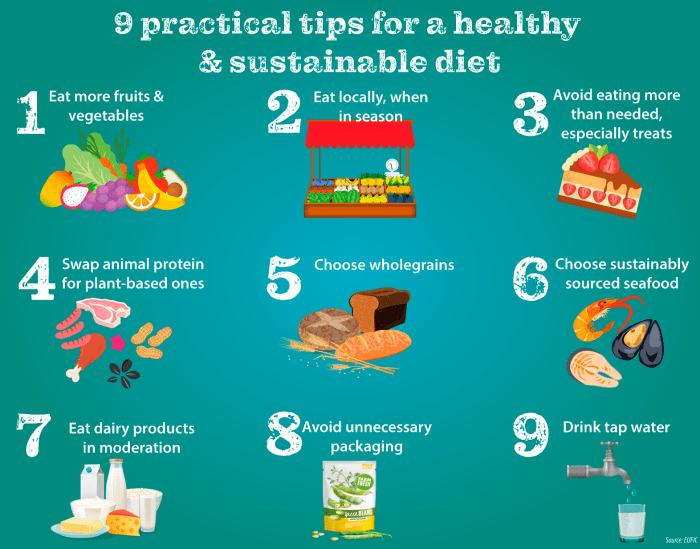
- Focus on whole, minimally processed foods to maximize nutrient intake.
- Include a colorful variety of fruits and vegetables in your meals for a range of vitamins and minerals.
- Aim to balance your plate with a combination of carbohydrates, proteins, and healthy fats.
- Stay hydrated by drinking plenty of water throughout the day.
- Listen to your body’s hunger and fullness cues to avoid overeating or undereating.
Mental Strength: Best Hospitals For Health Checkups
Maintaining mental strength is crucial for overall well-being. It is closely linked to physical health and can significantly impact our ability to cope with stress and challenges. Strategies for improving mental resilience and promoting mental wellness are essential in achieving a balanced and healthy lifestyle.
Connection between Mental Strength and Physical Well-being
- Research has shown that mental well-being can directly influence physical health outcomes. High levels of stress and anxiety can weaken the immune system, making individuals more susceptible to illnesses.
- Individuals with strong mental resilience are better equipped to handle adversity and bounce back from setbacks, leading to better overall health and well-being.
- Practicing mindfulness and stress-reducing techniques can help improve mental strength and positively impact physical health.
Strategies for Improving Mental Resilience
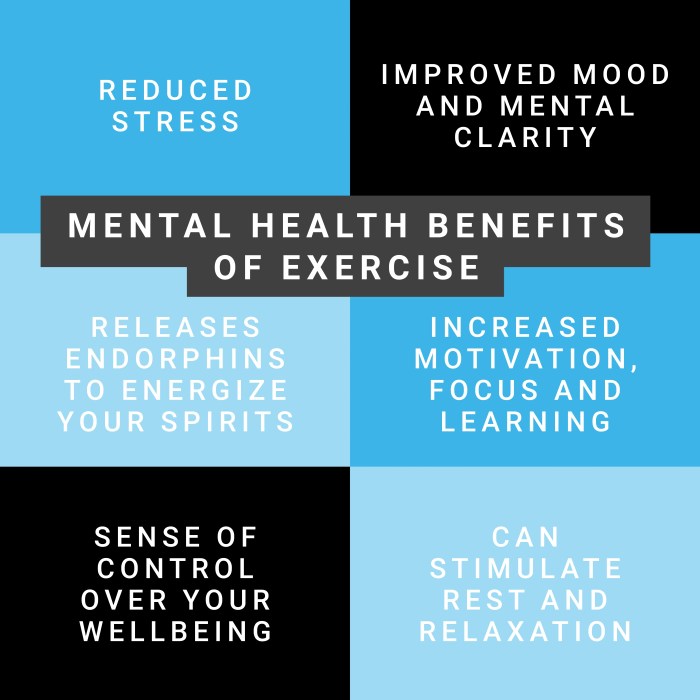
- Engage in regular physical exercise, as it can help reduce stress and improve mood by releasing endorphins.
- Practice deep breathing exercises or meditation to promote relaxation and reduce anxiety levels.
- Cultivate a strong support system of friends and family to provide emotional support during challenging times.
Mindfulness Techniques for Mental Wellness
- Practice mindfulness meditation to increase self-awareness and focus on the present moment, reducing stress and anxiety.
- Engage in activities that promote relaxation and mental clarity, such as yoga or tai chi.
- Take regular breaks throughout the day to rest and recharge, allowing time for mental rejuvenation.
Impact of Mental Strength on Overall Health Outcomes
- Individuals with strong mental resilience are more likely to adopt healthy lifestyle habits, such as balanced nutrition and regular exercise.
- Improved mental well-being can lead to better sleep quality, enhanced cognitive function, and overall improved quality of life.
- Mental strength plays a crucial role in managing chronic conditions and promoting recovery from illness or injury.
Yoga Practice
Regular yoga practice offers a multitude of physical and mental health benefits. It helps improve flexibility, strength, and relaxation while also reducing stress and anxiety levels.
Types of Yoga for Various Health Goals
- Hatha Yoga: Focuses on basic poses and breathing exercises, great for beginners.
- Vinyasa Yoga: Involves flowing sequences that synchronize breath with movement, ideal for increasing strength and flexibility.
- Bikram Yoga: Consists of a series of 26 poses performed in a heated room, beneficial for detoxification and weight loss.
- Restorative Yoga: Emphasizes relaxation and rejuvenation, perfect for reducing stress and promoting deep rest.
Tips for Beginners Starting a Yoga Practice
- Start with beginner-friendly classes or online tutorials to learn the basics.
- Focus on proper breathing techniques to enhance your practice and reduce stress.
- Listen to your body and avoid pushing yourself too hard to prevent injuries.
- Consistency is key, so aim to practice regularly to experience the full benefits of yoga.
Role of Yoga in Enhancing Flexibility, Strength, and Relaxation
Yoga helps improve flexibility by stretching and lengthening muscles, leading to better range of motion. It also builds strength through various poses that engage different muscle groups. Moreover, the relaxation techniques in yoga, such as deep breathing and meditation, promote a sense of calm and reduce tension in the body and mind.
Health Education
Health education plays a crucial role in promoting preventive healthcare by empowering individuals with the knowledge and skills needed to make informed decisions about their well-being.
By raising awareness about common health issues, health education helps individuals understand the importance of early detection, prevention, and management of various conditions. It also encourages healthy lifestyle choices and behaviors that can lead to improved overall health and well-being.
Examples of Effective Health Education Campaigns
- The “5-2-1-0” campaign, which promotes the daily consumption of 5 servings of fruits and vegetables, 2 hours or less of recreational screen time, 1 hour of physical activity, and 0 sugary drinks.
- The “Know Your Numbers” campaign, which educates individuals about important health indicators such as blood pressure, cholesterol levels, and BMI.
- The “Quit Smoking” campaigns that provide resources and support for individuals looking to quit smoking and improve their respiratory health.
Tips for Incorporating Health Education into Daily Routines
- Stay informed by reading reliable sources of health information and staying up-to-date on current health trends.
- Engage in discussions with healthcare professionals, friends, and family members about health topics to share knowledge and promote awareness.
- Attend health education workshops, seminars, or webinars to learn more about specific health issues and how to address them effectively.
- Use technology to track your health goals, monitor your progress, and access educational resources such as health apps, online articles, and podcasts.
Weight Management
Maintaining a healthy weight is crucial for overall health and well-being. Weight management plays a significant role in preventing chronic diseases and promoting a better quality of life. It is essential to understand the impact of weight on our health and to adopt strategies to achieve and maintain a healthy weight.
Impact of Weight Management
- Weight management can reduce the risk of developing chronic conditions such as heart disease, diabetes, and high blood pressure.
- Maintaining a healthy weight can improve energy levels, mood, and overall physical fitness.
- Excess weight can put strain on joints and lead to musculoskeletal issues.
Strategies for Achieving a Healthy Weight
- Follow a balanced diet rich in fruits, vegetables, lean proteins, and whole grains.
- Incorporate regular physical activity into your routine, aiming for at least 150 minutes of moderate exercise per week.
- Monitor portion sizes and practice mindful eating to avoid overeating.
- Stay hydrated and limit consumption of sugary beverages and high-calorie snacks.
Success Stories of Weight Management
- John lost 50 pounds by making small, sustainable changes to his diet and exercise habits over time.
- Maria overcame obesity-related health issues by working with a nutritionist and personal trainer to achieve her weight loss goals.
- Sam maintained a healthy weight by prioritizing self-care, stress management, and regular physical activity.
Connection Between Weight Management and Chronic Disease Prevention
- Maintaining a healthy weight can reduce the risk of developing type 2 diabetes by improving insulin sensitivity and blood sugar control.
- Weight management plays a crucial role in managing hypertension and reducing the strain on the heart and blood vessels.
- Obesity is a significant risk factor for cardiovascular disease, and maintaining a healthy weight can lower the risk of heart attacks and strokes.
Skin Health
Maintaining skin health is essential for overall well-being, as the skin is the body’s largest organ and serves as a protective barrier against environmental factors. Establishing a skincare routine can help keep the skin healthy and vibrant, preventing premature aging and addressing specific concerns.
Importance of Skincare Routines
Skincare routines involve cleansing, exfoliating, moisturizing, and protecting the skin from sun damage. Consistent care can help prevent acne, dryness, and other skin issues, promoting a clear and radiant complexion.
Tips for Protecting Skin from Environmental Damage
- Avoid prolonged sun exposure and wear sunscreen daily.
- Stay hydrated and maintain a balanced diet rich in antioxidants.
- Use gentle skincare products suitable for your skin type.
- Protect your skin from harsh weather conditions with appropriate clothing.
Common Skin Conditions and Management Strategies
- Acne: Maintain a consistent skincare routine, avoid touching your face, and consider topical treatments or professional help.
- Eczema: Keep your skin moisturized, avoid irritants, and use prescribed medications as directed by a dermatologist.
- Pigmentation: Use products with ingredients like vitamin C, niacinamide, and retinol to even out skin tone.
- Premature Aging: Incorporate anti-aging products with ingredients like peptides and antioxidants in your skincare regimen.
Recommendations for Skincare Products
- Sunscreen: Opt for a broad-spectrum SPF of at least 30 to protect against UVA and UVB rays.
- Cleanser: Choose a gentle cleanser suitable for your skin type to remove impurities without stripping the skin.
- Moisturizer: Use a hydrating moisturizer to maintain skin hydration and prevent dryness.
- Serum: Consider adding a serum with active ingredients like hyaluronic acid or vitamin C for targeted skin concerns.
Emotional Health
Emotional health is a crucial component of overall well-being, influencing how we think, feel, and act in our daily lives. It involves the ability to manage stress, build strong relationships, and cope with challenges effectively.
Significance of Emotional Health
Emotional health plays a significant role in determining our physical health. Chronic stress, anxiety, and negative emotions can weaken the immune system, increase the risk of heart disease, and lead to other health problems. On the other hand, positive emotions like joy, gratitude, and contentment can boost immunity, improve cardiovascular health, and enhance overall well-being.
Strategies for Improving Emotional Resilience and Well-being
Practice mindfulness and meditation to stay present and reduce stress.
Engage in regular physical activity to release endorphins and improve mood.
Cultivate strong social connections by spending time with loved ones and seeking support when needed.
Express your emotions through creative outlets like writing, art, or music.
Activities that Support Emotional Health
- Yoga and meditation classes to promote relaxation and emotional balance.
- Journaling to process emotions and gain insights into your feelings.
- Volunteering and giving back to the community to foster a sense of purpose and fulfillment.
- Talking to a therapist or counselor to work through emotional challenges and develop coping strategies.
Health Motivation
Maintaining healthy habits requires consistent motivation to prioritize health and wellness. Without motivation, it can be challenging to stay on track with your health goals. Here are some tips to help you stay motivated and focused on your journey to better health:
Setting Realistic Goals
Setting realistic and achievable goals is essential for staying motivated. Break down your long-term health goals into smaller, manageable steps that you can work towards each day. Celebrate your progress along the way to keep yourself motivated.
Finding Inspiration
Surround yourself with positive influences that inspire you to prioritize your health. Whether it’s following health and wellness influencers on social media, reading motivational books, or joining a supportive community, finding sources of inspiration can help boost your motivation.
Motivational Quotes
“Take care of your body. It’s the only place you have to live.” – Jim Rohn
“Success is the sum of small efforts, repeated day-in and day-out.” – Robert Collier
Visualizing Success
Visualizing yourself achieving your health goals can be a powerful motivator. Imagine how good you will feel when you reach your desired level of health and wellness. Use visualization techniques to stay focused and motivated on your journey.
Physical Activities
Regular physical activities play a crucial role in maintaining overall health and well-being. Engaging in exercise not only helps in improving physical fitness but also has numerous benefits for mental health and emotional well-being.
Benefits of Regular Physical Activities
- Improves cardiovascular health and reduces the risk of heart diseases.
- Helps in maintaining a healthy weight and managing chronic conditions like diabetes.
- Boosts mood and reduces symptoms of anxiety and depression.
- Strengthens muscles and improves flexibility, reducing the risk of injuries.
- Enhances cognitive function and memory, promoting overall brain health.
Types of Physical Activities for All Ages
- Walking or jogging: A simple yet effective way to stay active and improve cardiovascular health.
- Swimming: Great for overall body workout and suitable for individuals of all ages.
- Cycling: Low-impact exercise that helps in improving leg strength and endurance.
- Dancing: Fun way to stay active, improve coordination, and boost mood.
- Yoga: Enhances flexibility, balance, and mental focus, suitable for all age groups.
Importance of Incorporating Movement into Daily Routines
Regular movement throughout the day is essential for maintaining overall health. Simple activities like taking the stairs instead of the elevator, stretching breaks during work, and short walks after meals can contribute to meeting daily physical activity goals.
Tips for Staying Active and Motivated
- Set realistic goals and track your progress to stay motivated.
- Find activities that you enjoy to make exercise more enjoyable and sustainable.
- Include variety in your workouts to prevent boredom and work different muscle groups.
- Schedule exercise sessions in advance to prioritize physical activity in your daily routine.
- Stay accountable by exercising with a friend or joining group fitness classes.
Health Awareness
Health awareness is the understanding of different health issues and the knowledge of how to prevent and manage them. It plays a crucial role in preventive healthcare by empowering individuals to take control of their well-being.
Impact on Preventive Healthcare
Health awareness is essential for preventive healthcare as it enables individuals to recognize symptoms early, seek timely medical attention, and make informed decisions about their lifestyle choices. By staying informed about potential health risks, individuals can take proactive measures to prevent diseases and maintain overall well-being.
Importance of Staying Informed
Staying informed about health issues is important as it helps individuals make healthier choices, seek appropriate medical care when needed, and participate in preventive screenings and check-ups. It also allows individuals to advocate for their own health and well-being, leading to better health outcomes in the long run.
Examples of Impactful Awareness Campaigns
- An example of a successful awareness campaign is the “Movember” movement, which raises awareness about men’s health issues, such as prostate cancer and mental health. This campaign has helped increase early detection rates and encourage men to prioritize their health.
- The “Go Red for Women” campaign focuses on raising awareness about heart disease in women, leading to increased knowledge about symptoms and risk factors, ultimately improving heart health outcomes.
Tips for Increasing Personal Health Awareness
- Stay informed by reading reliable health resources and staying updated on current health trends.
- Attend health education seminars, workshops, or webinars to learn more about specific health topics.
- Engage with healthcare providers and ask questions about your health to increase your knowledge and understanding.
- Participate in community health events and screenings to assess your health status and learn about preventive measures.
- Track your health metrics, such as blood pressure, cholesterol levels, and weight, to monitor changes and take action when necessary.
Preventive Medicine
Preventive medicine plays a crucial role in maintaining overall health by focusing on identifying and addressing risk factors before they develop into serious health problems. By taking proactive steps to prevent diseases, individuals can lead healthier and more fulfilling lives.
Benefits of Preventive Screenings and Vaccinations
- Regular screenings such as mammograms, colonoscopies, and blood pressure checks can help detect potential health issues early on, increasing the chances of successful treatment.
- Vaccinations protect against infectious diseases and help prevent the spread of illnesses within communities.
- By staying up to date on recommended screenings and vaccinations, individuals can reduce their risk of developing serious health conditions.
Examples of Preventive Measures
- Maintaining a healthy diet and engaging in regular physical activity can lower the risk of obesity, heart disease, and diabetes.
- Avoiding tobacco and excessive alcohol consumption can reduce the likelihood of developing respiratory and liver diseases.
- Managing stress through relaxation techniques and mindfulness practices can improve mental health and overall well-being.
Success Stories of Preventive Medicine Practices
“After incorporating preventive measures into my daily routine, I have seen a significant improvement in my overall health. Regular exercise, balanced nutrition, and preventive screenings have helped me stay healthy and active.”
“By getting vaccinated against preventable diseases and following my doctor’s recommendations for screenings, I have been able to prevent serious health issues and maintain a high quality of life.”
Nutritional Counseling
Nutritional counseling plays a crucial role in promoting healthy eating habits and overall well-being. By working closely with a nutritionist, individuals can receive personalized dietary plans tailored to their specific needs and goals. This guidance not only helps in achieving optimal nutrition but also in managing various health conditions through diet modification.
Importance of Nutritional Counseling
Nutritional counseling is essential for educating individuals on the importance of balanced nutrition and making informed food choices. It helps in addressing deficiencies, managing weight, improving energy levels, and preventing chronic diseases. By understanding the impact of food on health, individuals can adopt sustainable dietary habits for long-term well-being.
Role of a Nutritionist
A nutritionist plays a key role in assessing an individual’s nutritional needs, creating personalized meal plans, and providing ongoing support and guidance. They consider factors such as age, gender, activity level, and health conditions to develop a tailored approach to nutrition. By collaborating with a nutritionist, individuals can make positive changes to their diet and lifestyle.
Finding a Qualified Nutritional Counselor
When seeking a nutritional counselor, it is important to look for professionals with relevant credentials, such as registered dietitians or certified nutritionists. Consider their experience, expertise, and approach to counseling. Additionally, seek referrals from healthcare providers or trusted sources to ensure you receive evidence-based guidance.
Examples of Dietary Changes
Nutritional counselors may recommend various dietary changes based on individual needs. This could include increasing intake of fruits and vegetables, reducing processed foods, balancing macronutrients, managing portion sizes, and incorporating mindful eating practices. These recommendations aim to optimize nutrition, support health goals, and improve overall well-being.
Healthy Mind
Maintaining a healthy mind is essential for overall well-being, as it plays a significant role in influencing our physical health outcomes. A healthy mind can lead to better stress management, improved cognitive function, and enhanced emotional well-being.
Connection between Healthy Mind and Overall Well-being
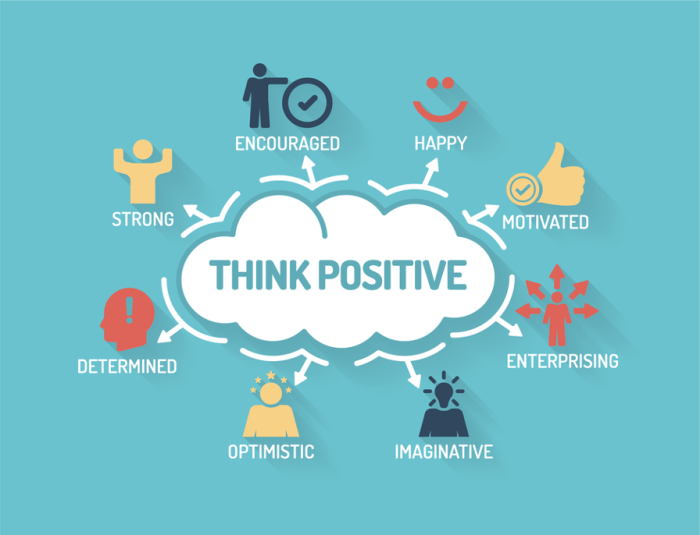
- Positive thinking and a healthy mindset can boost the immune system and reduce the risk of chronic diseases.
- Practicing mindfulness and meditation can help in reducing stress levels and promoting relaxation.
- Healthy mental habits can lead to better decision-making, improved relationships, and overall life satisfaction.
Impact of Mental Health on Physical Health Outcomes
- Poor mental health can contribute to the development of physical health issues such as heart disease, obesity, and weakened immune system.
- Chronic stress and anxiety can lead to inflammation in the body, increasing the risk of various health problems.
- Depression and other mental health disorders can impact sleep quality, appetite, and energy levels, affecting overall physical health.
Tips for Maintaining a Healthy Mind through Mindfulness Practices
- Practice deep breathing exercises to reduce stress and promote relaxation.
- Engage in regular physical activity to boost mood and improve mental well-being.
- Cultivate gratitude by keeping a daily journal of things you are thankful for.
- Connect with others and build a support system to foster positive relationships.
Examples of Activities that Support Mental Well-being
- Yoga and meditation sessions to promote mindfulness and reduce anxiety.
- Reading books or listening to music for relaxation and mental stimulation.
- Engaging in creative hobbies like painting, writing, or gardening to express emotions and promote self-care.
- Seeking therapy or counseling to address mental health concerns and develop coping strategies.
FAQ Overview
How can I find the best hospital for health checkups?
Research hospitals with a strong reputation for comprehensive health screenings, check patient reviews, and consider recommendations from healthcare professionals.
What are the benefits of choosing a reputable hospital for health checkups?
Reputable hospitals offer quality services, experienced staff, state-of-the-art facilities, accurate results, and peace of mind regarding your health.
Why are regular health checkups important at top hospitals?
Regular health checkups can detect health issues early, prevent diseases, monitor your well-being, and provide personalized care plans for a healthier future.